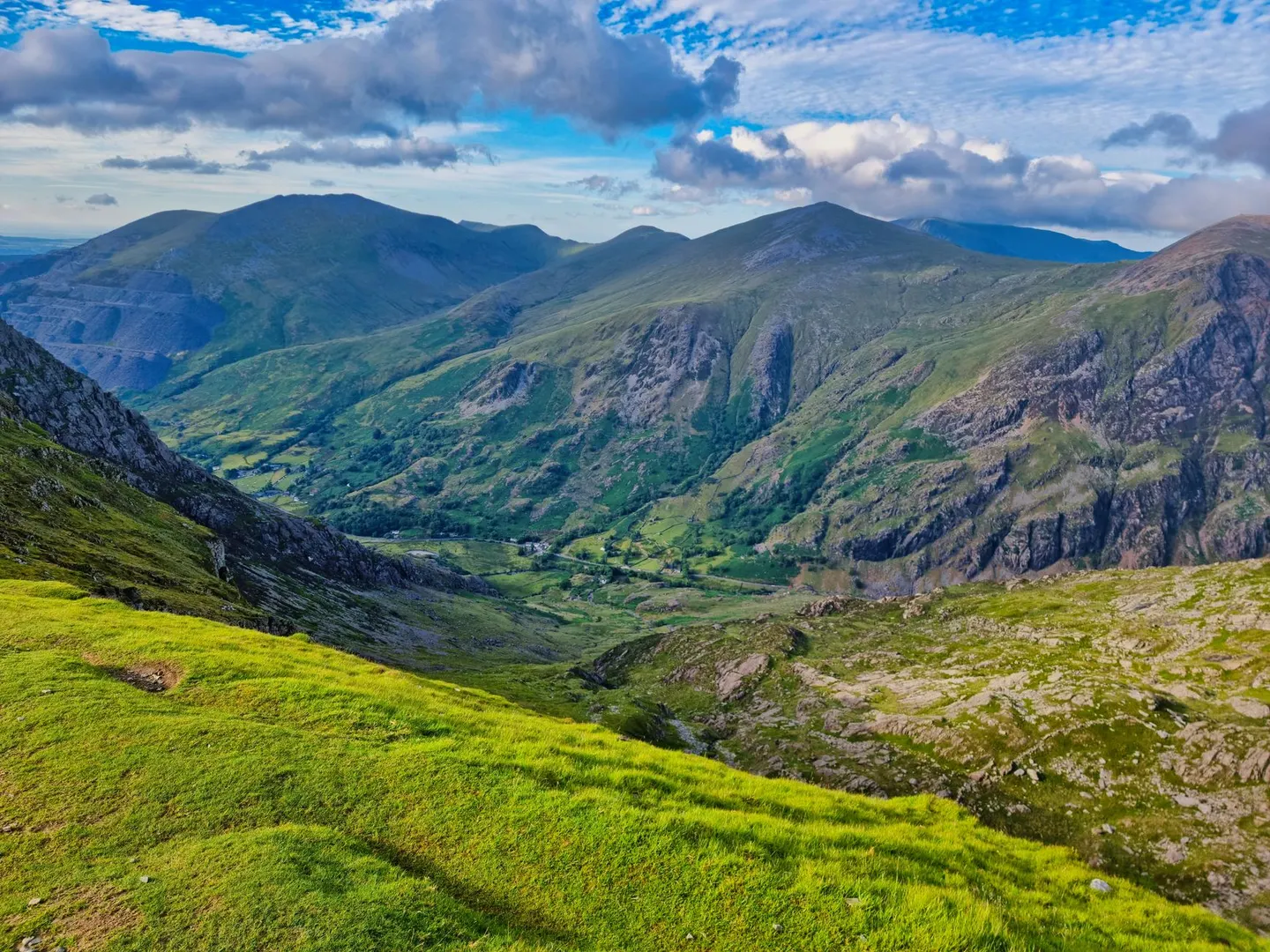
Wales's biggest wild ground, stacked with more rock above 3,000 feet than anywhere south of Scotland
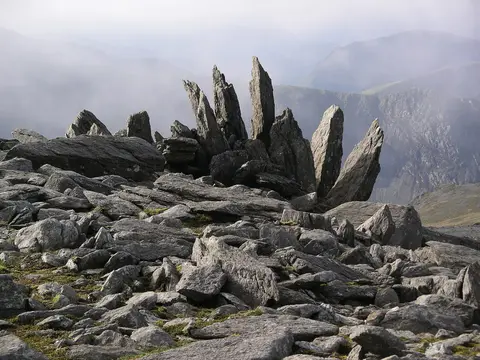
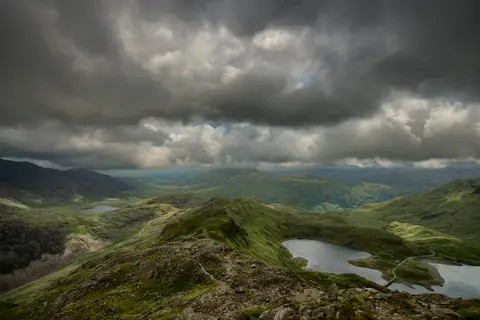
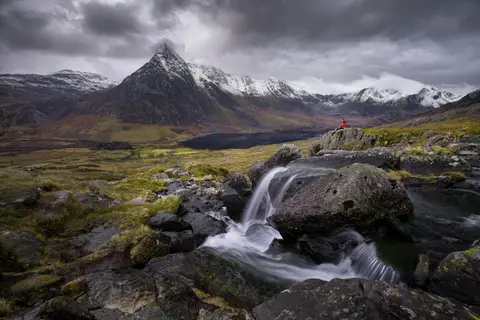
Eryri covers over 2,130 square kilometres of north-west Wales, and most people still know it as Snowdonia, which is fair enough — that’s the name on the road signs and the second-hand guidebooks in every holiday cottage. Either way it means Yr Wyddfa at the middle of it, the highest ground in Wales and the highest anywhere south of the Scottish border, with a whole crowd of lesser-known giants fanned out around it: the Carneddau rolling away to the north, the Glyderau bristling with broken rock, and further south a scatter of quieter hills like Cnicht and Arenig Fawr that get a fraction of the footfall for very little loss of drama.
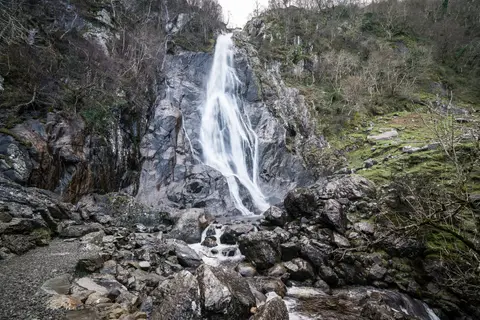
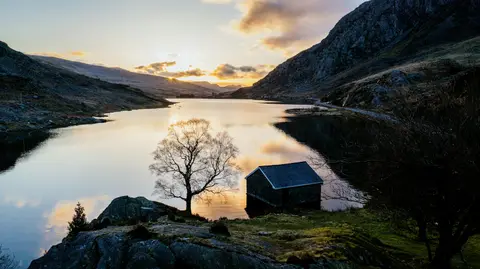
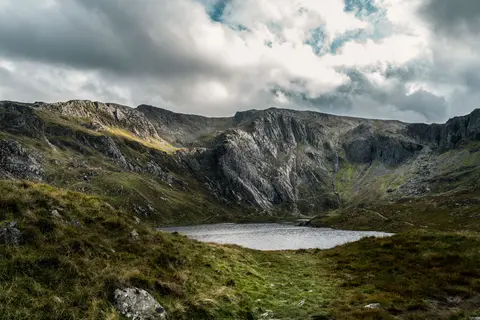
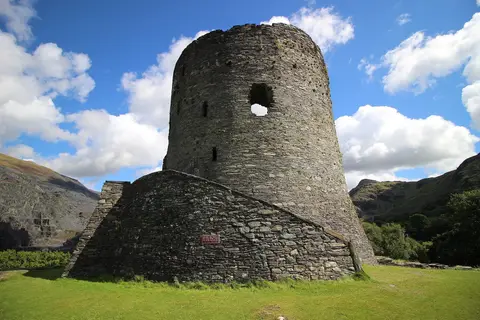
What sticks with people, beyond the height, is how worked the landscape is. Slate roofed swathes of Victorian Britain and it came out of these valleys, Blaenau Ffestiniog most famously, grey terraces stacked under grey spoil, a proper company town shaped entirely by the quarry above it. Between the industrial bits and the summits there’s a lot of quieter ground too: glacial lakes sitting in the bowls the ice carved out, oakwoods on valley sides too steep for sheep, and a scatter of outlying tops like Cadair Idris and Carnedd Llewelyn that are worth the walk in almost as much as the summit itself.
Whatever the picture-postcard version suggests, this isn’t gentle countryside. Weather off the Irish Sea can turn a clear morning into zero visibility within the hour, and the popular routes up Yr Wyddfa get properly busy in summer — worth an early start, or picking one of the quieter paths, or both. Spring and fine autumn days tend to have the best combination of visibility and elbow room, though nobody up here would call any month a safe bet.