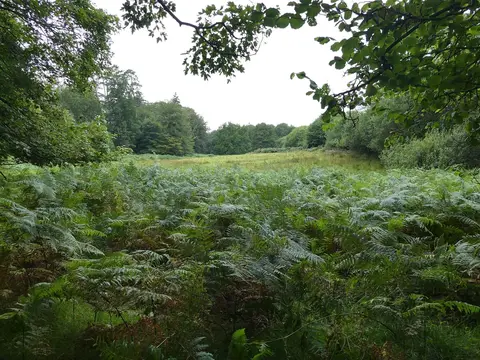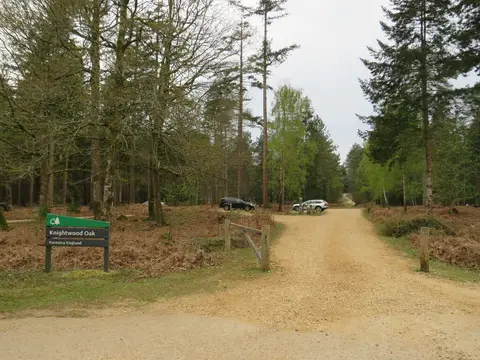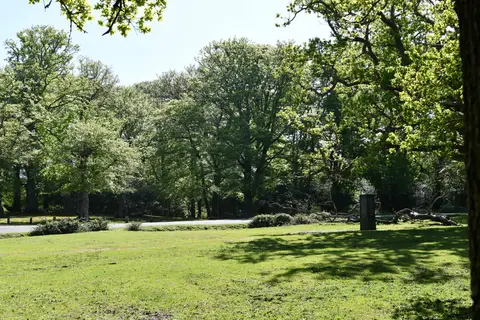
Ancient wood pasture where the ponies own the roads and mostly ignore the give-way signs
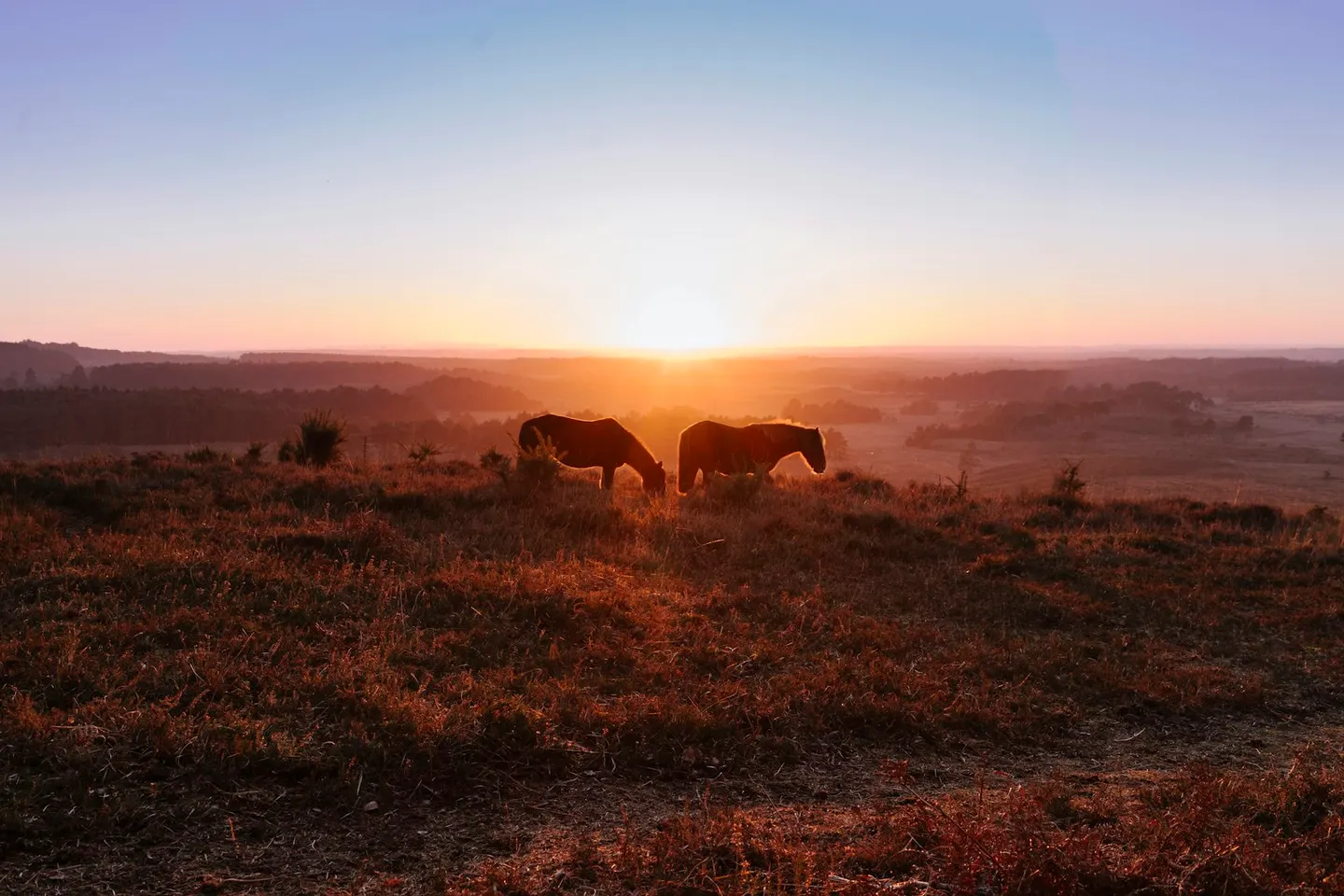
Ponies here are not scenery. They are working animals, turned out onto unfenced heath and woodland by commoners exercising grazing rights that go back to William I setting the place aside as a royal hunting ground in 1079. Nearly a thousand years on, the arrangement still runs largely as it did then, which makes the New Forest less a nature reserve than a very old contract still being honoured.
Ancient trees are the payoff. Wood pasture like this, grazed for centuries rather than felled, produces the kind of gnarled, hollow oaks and beeches that plantation forestry never gets near. Come autumn, commoners’ pigs are still turned out to hoover up fallen acorns, a practice called pannage that exists mainly because acorns are mildly toxic to ponies and cattle, not for the pigs’ benefit particularly, though they do rather well out of it.
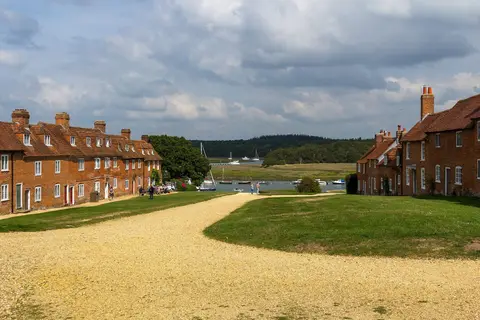
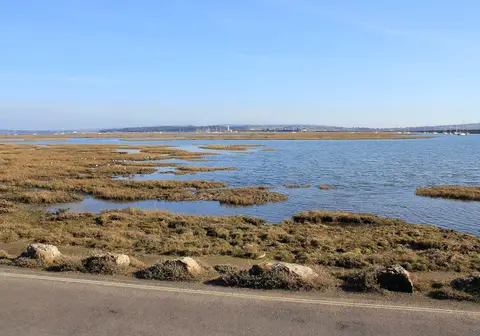
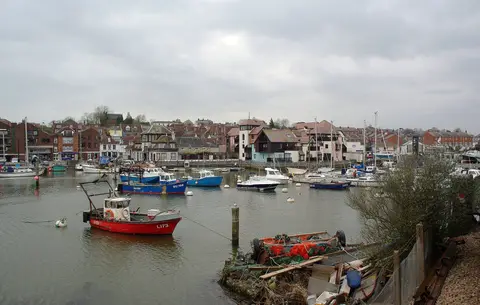
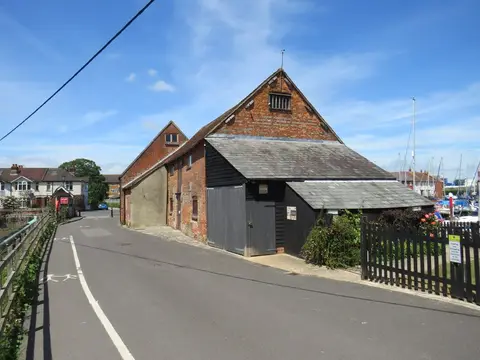
Designated a national park in 2005, at 566 square kilometres it runs all the way to the coast, where Calshot and Lepe mark the edge of the Solent and the King Charles III England Coast Path threads along it. Inland, commons like Hale Purlieu and Ibsley and Rockford Commons are a quieter version of the same heathland. There is gentle walking and cycling almost everywhere, with Brockenhurst and Beaulieu handy as bases, and Beaulieu Abbey and the old shipbuilding village of Bucklers Hard are close together on the Beaulieu River.
Roads through the forest have a strict speed limit, and it isn’t bureaucratic caution — animals wander onto the tarmac without warning, at any hour. Leave the ponies alone; feeding them teaches them to approach cars, which tends not to end well for the pony.