A limestone gorge the River Wye carved slowly enough that Georgian tourists queued up to sketch it
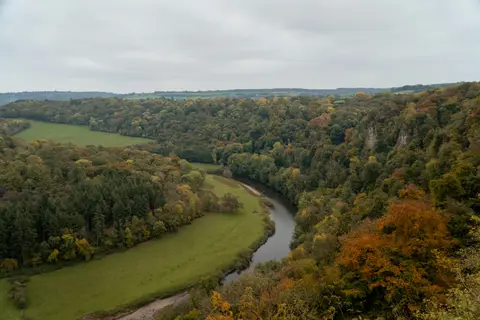
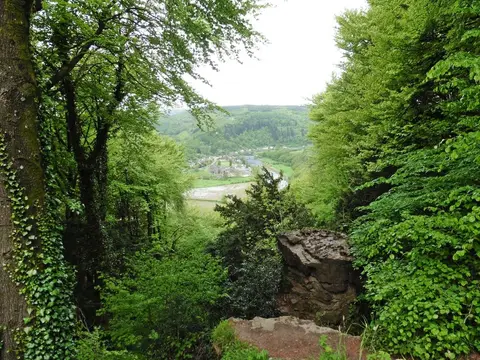
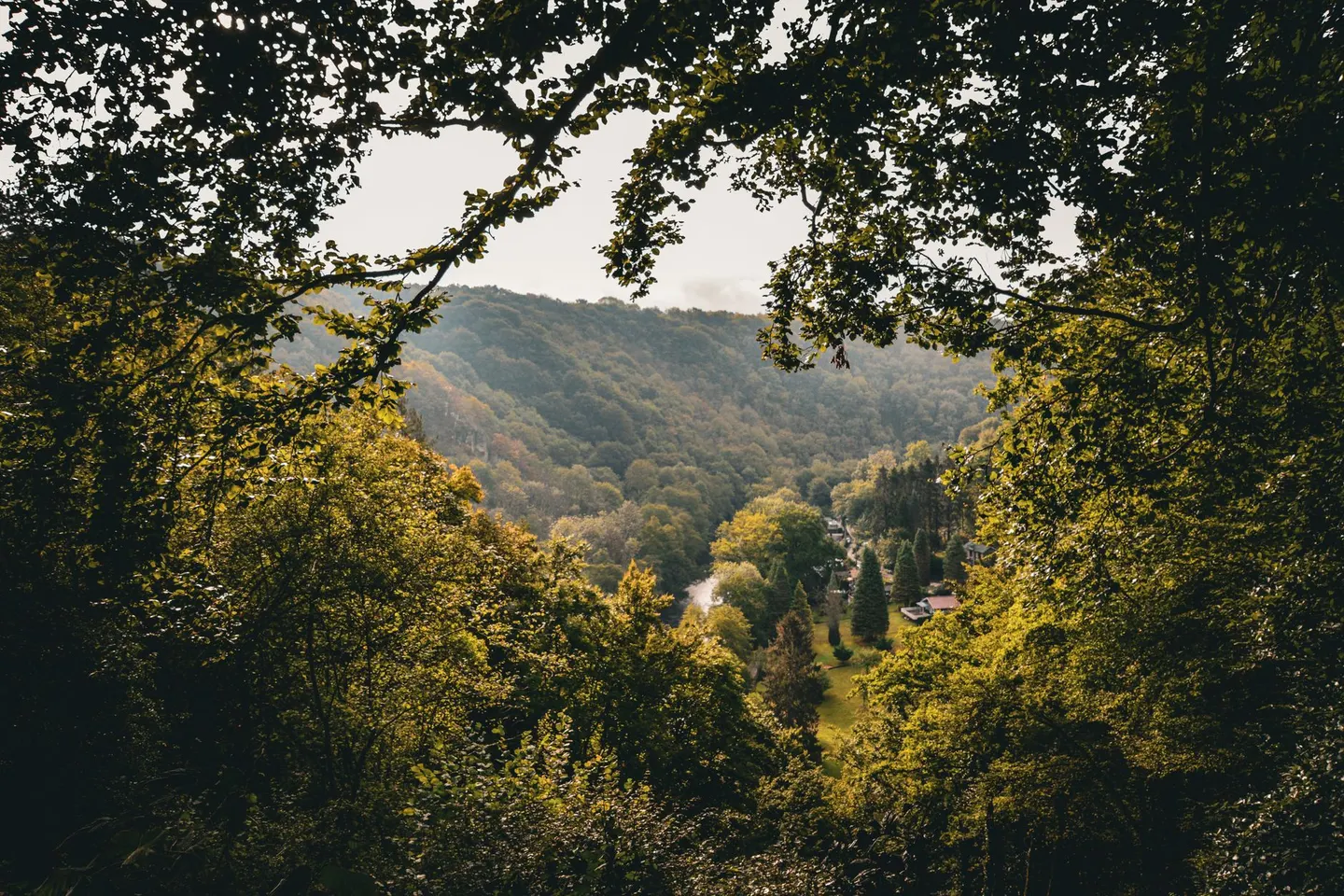
The River Wye doesn’t so much flow through this stretch as double back on itself, carving a limestone gorge tight enough that the same hills keep reappearing from different angles. That looping geography is what drew the crowds in the eighteenth century: the Wye Tour, one of Britain’s earliest organised sightseeing routes, sent boatloads of visitors downriver to admire scenery that eighteenth-century taste rated among the finest in the country. Wordsworth was among them.
The appeal hasn’t dimmed since. Ancient woodland grows on the gorge sides at Highbury Wood and Lady Park Wood, the latter left almost entirely unmanaged for decades specifically so ecologists could watch what a wood does when nobody interferes. The Kymin, a hilltop above Monmouth, has a Georgian naval temple and banqueting house, built by local worthies with more patriotism than modesty.
Designated in 1971 and covering 326 square kilometres, the valley is now a National Landscape rather than the old Area of Outstanding Natural Beauty, a rebrand that changed the paperwork rather than the view. Offa’s Dyke Path runs the length of it, tracing the earthwork border Mercia threw up against Wales more than a millennium ago, often within sight of the river far below.
Paths along the gorge are frequently steep, muddy and close to drops that aren’t always obvious through the trees, so sturdy boots matter more here than on a flatter gorge walk. Viewpoints get busy on fine weekends; the woods rarely do.