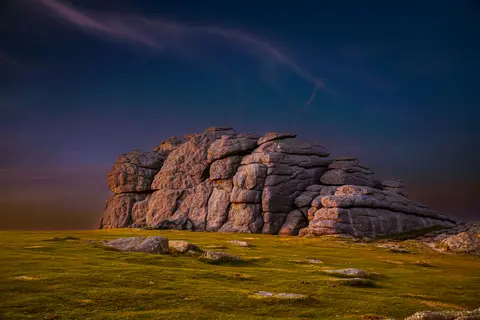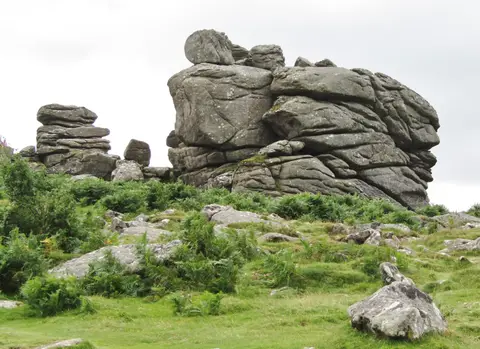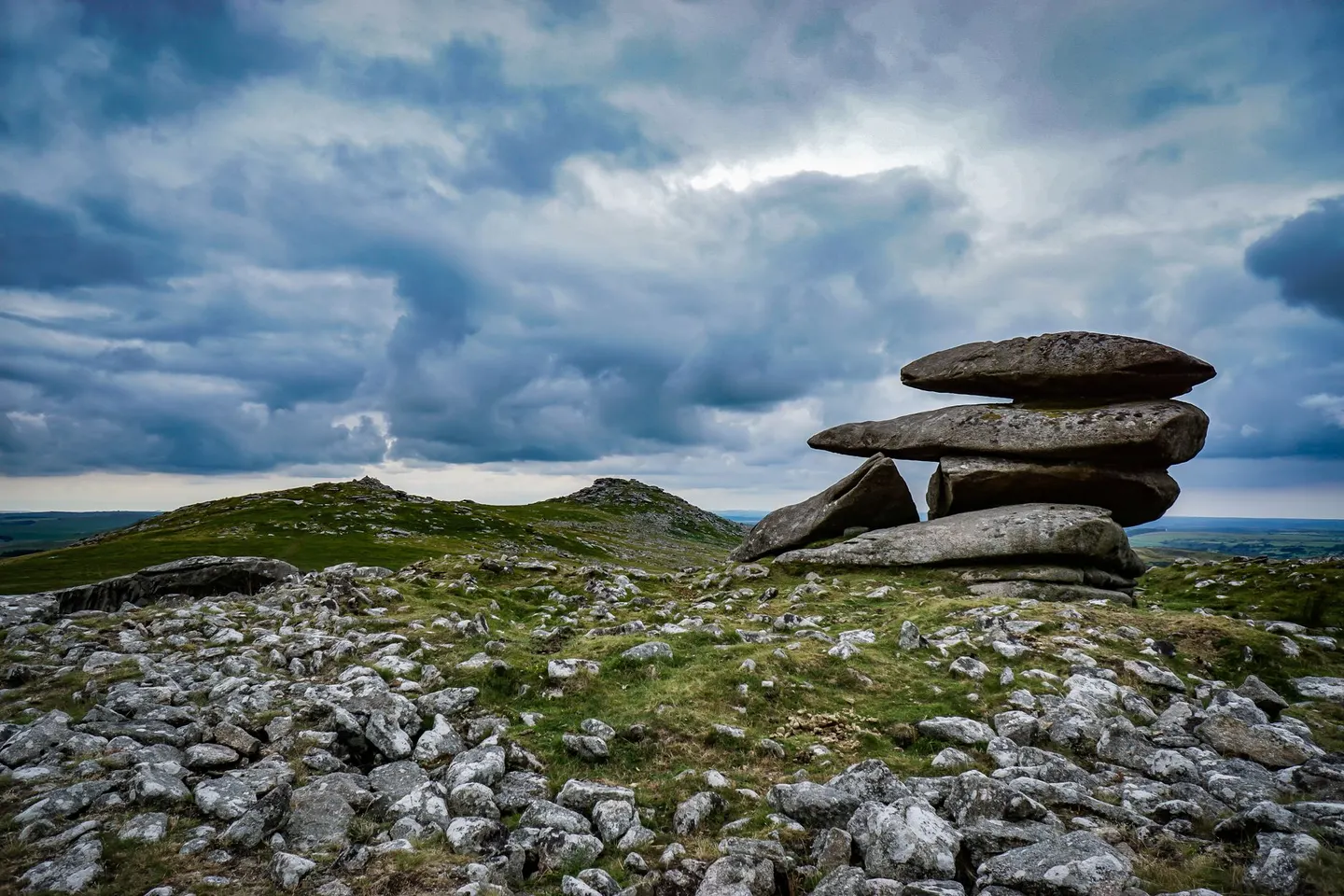
Granite tors, wild ponies and 954 square kilometres of open moor, most of it walkable without asking anyone's permission
Something about Dartmoor makes people talk about it in terms of mood rather than scenery: flat light on the granite, a pony ignoring you from twenty feet away, that particular quiet you get once the road noise drops off behind a rise. It became a national park in 1951, one of the earliest, and it still feels like the wildest stretch of open country in the south of England, which is a fair claim given how hemmed-in the rest of Devon can feel.
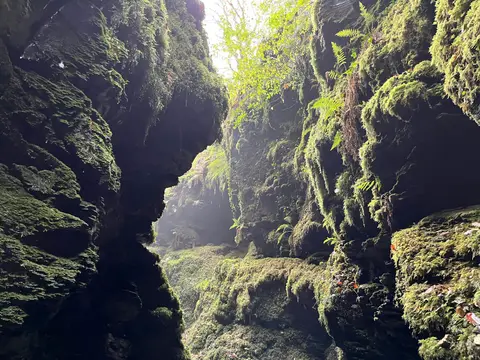
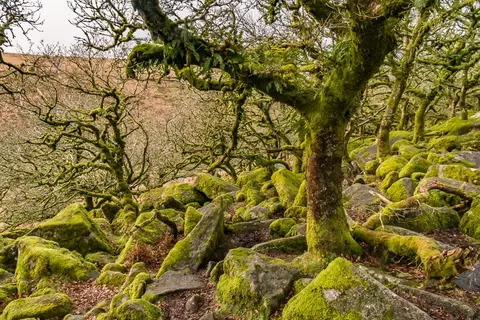
The tors are the thing everyone comes for, those weathered granite stacks sitting on the moor like something left behind on purpose. High Willhays and Yes Tor are the two highest points, close enough together that most people bag both on the same walk without much extra effort. Further south, Wistman’s Wood is worth a detour on its own terms — a stand of stunted, moss-hung oaks rooted among a clitter of boulders, genuinely odd-looking in a way photographs never quite capture. Bring a waterproof that can cope with real moorland weather rather than trusting the forecast; the moor makes its own weather, which can turn with very little warning.
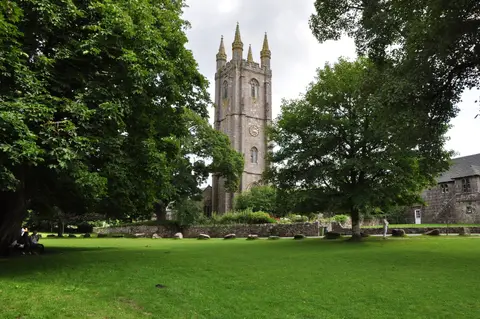
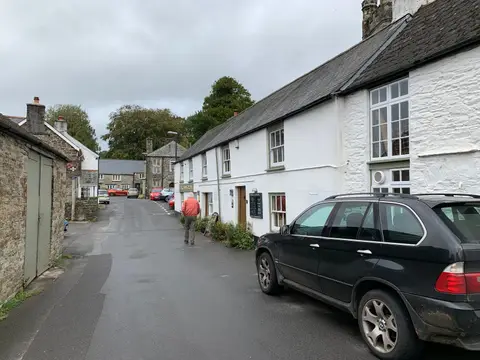
Villages sit round the edges rather than in the middle, which is part of the appeal. Widecombe in the Moor is the one most people have heard of, thanks to the old fair song, and it’s as good a base as any for a pub lunch after a morning on the tors. There’s history everywhere too, not staged for visitors but just there. Finch Foundry still has working water-powered machinery, and the old workings at Wheal Betsy are a reminder that this was mining country long before it was walking country. Dartmoor is also the one place in England and Wales where backpack camping on open moor is an enshrined legal right, upheld by the Supreme Court in 2025 — though it only covers the common land, not the whole moor, so check the current access map before pitching up.