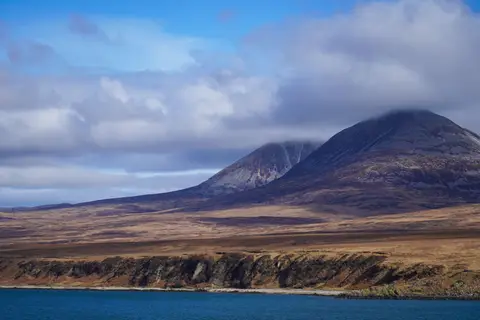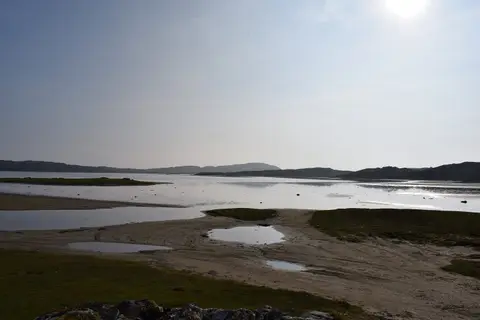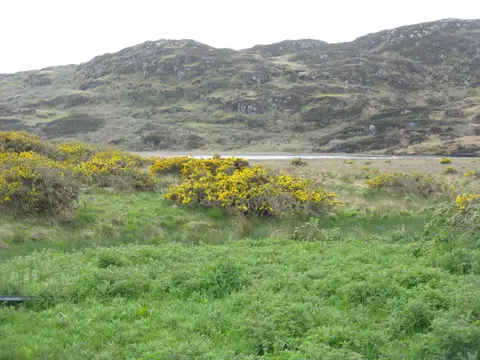
Islay is low and green for a Hebridean island, with more sheep and cattle grazing than the reputation for peat and rain suggests. CalMac ferries cross from Kennacraig on the mainland; Port Ellen’s terminal is closed for redevelopment until 2029, so boats currently dock only at Port Askaig in the north, and Loganair also flies from Glasgow to the airport near Port Ellen in about 45 minutes. Bowmore, the island’s capital, was laid out on a grid in 1768 around its round church, built circular, so it’s said, to leave the devil no corner to hide in.
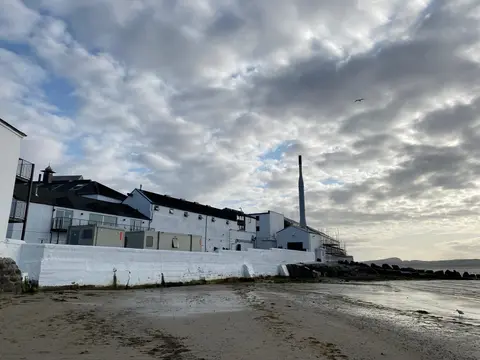
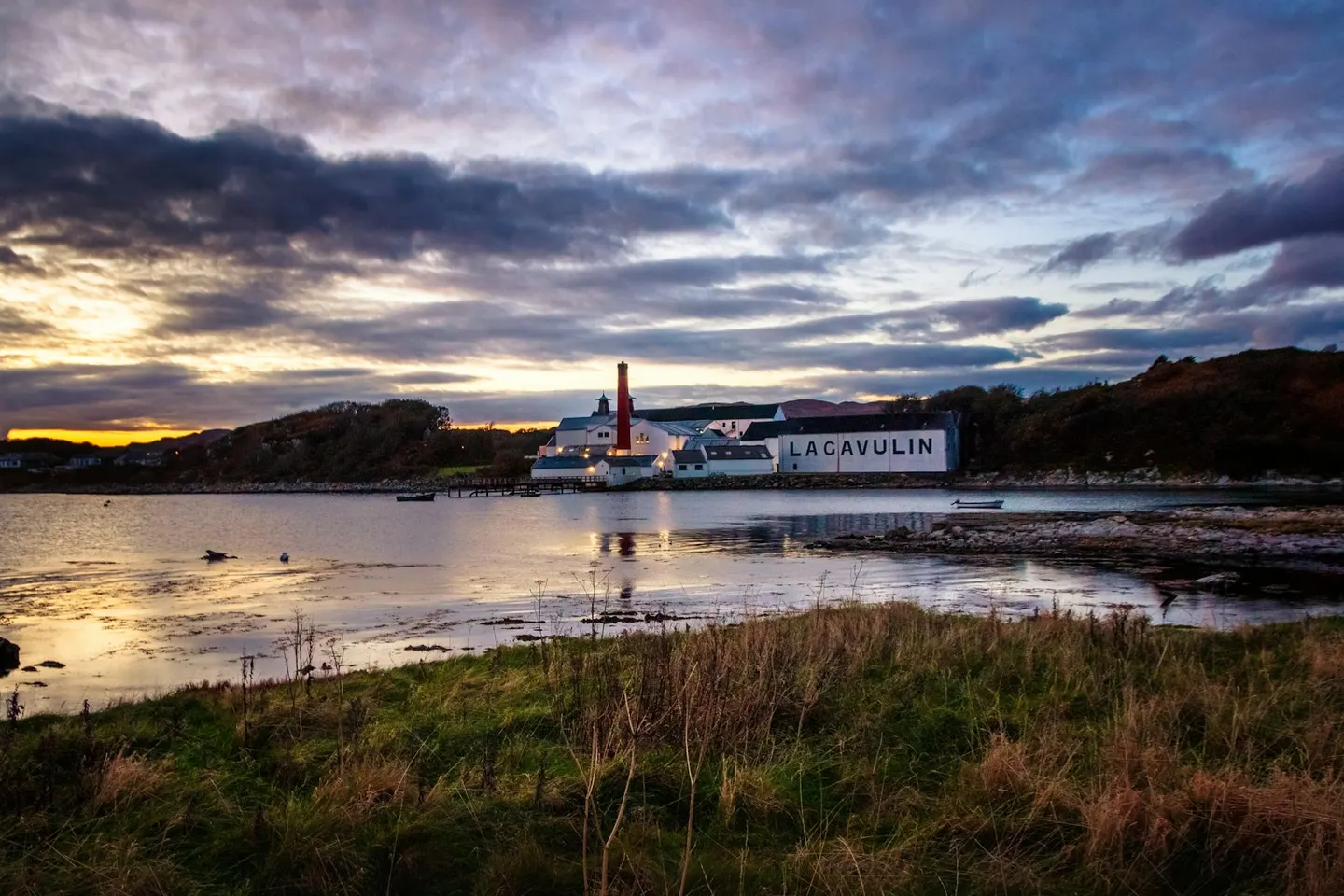
Distilleries ring the coast, from Laphroaig, Lagavulin and Ardbeg clustered on the south shore near Kildalton, to Bruichladdich, Kilchoman, Caol Ila and Bunnahabhain further round the island. The island’s history runs deeper than whisky: Finlaggan, on a small loch inland, was the seat of the Lords of the Isles from the 12th century until 1493, and near Kildalton, the high cross standing in the old churchyard, cut in the 8th century from a single block of stone, is reckoned among the finest in Scotland.
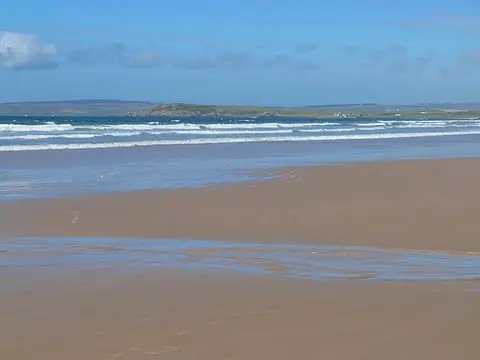
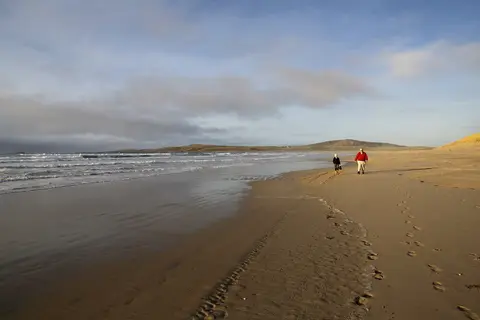
To the north, Loch Gruinart floods with wintering geese from Greenland every autumn, and out on the Oa, a working RSPB farm on the southern headland, golden eagles and choughs, a red-billed relative of the crow, are the reason for the reserve. Machir Bay, backed by dunes on the west coast, is one of Islay’s best beaches for walkers happier watching Atlantic rollers than counting distilleries.