Areas
Routes
Natural spots
Historic places
Villages & landmarks
Near you
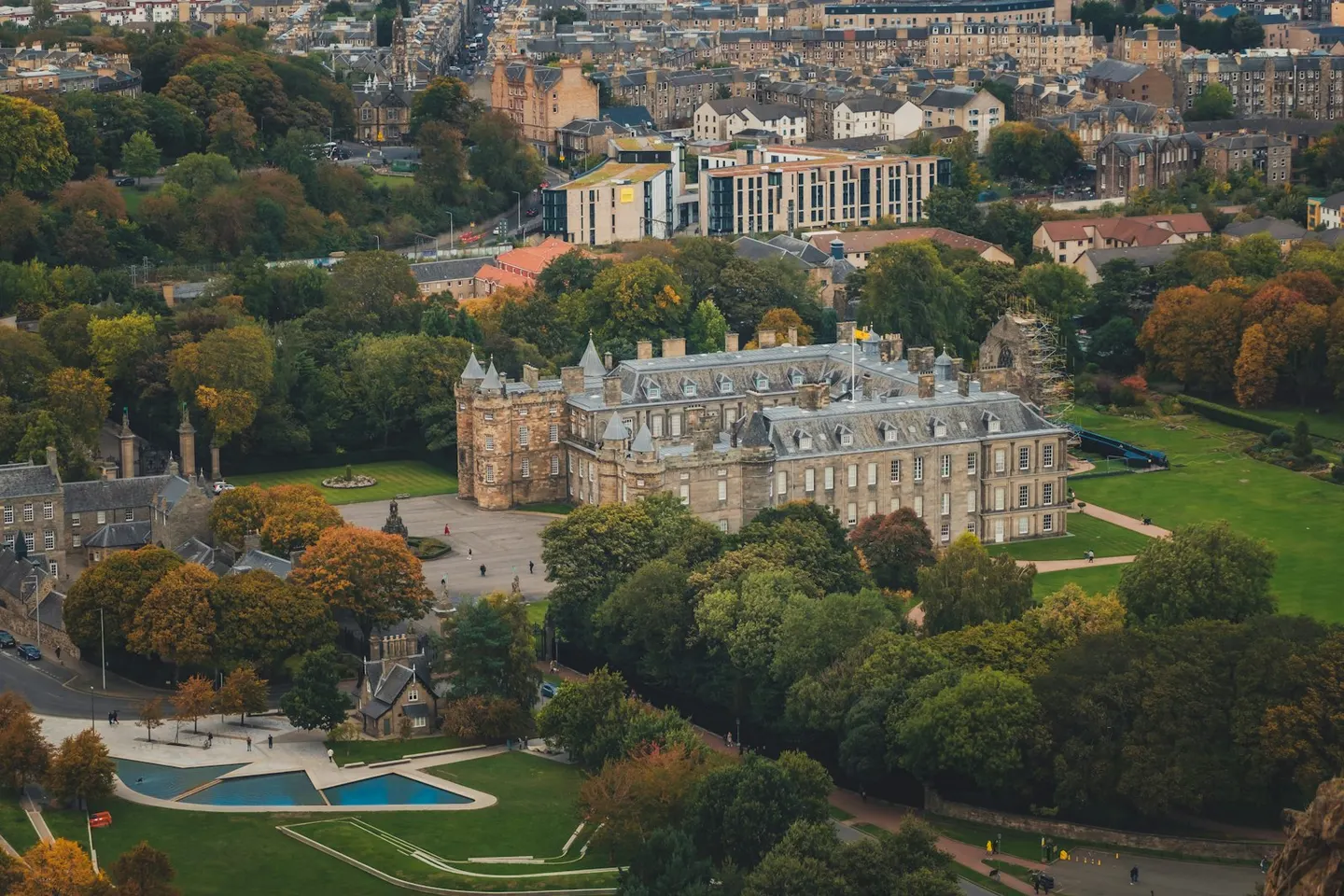
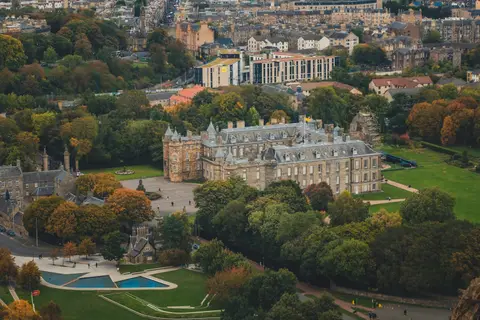
Palace of HolyroodhousePhoto Marc Markstein / Unsplash
Houses open to visit — writers' homes, manors and furnished interiors. 35 in the Albion Guide.
One of the best-preserved medieval manor houses in England, with a great hall and vast original kitchen in the heart of Gainsborough.
Lincolnshire
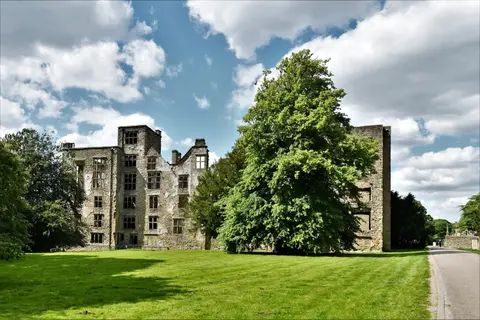
Four-storey ruined shell of the mansion Bess of Hardwick built in the late 1580s, standing yards from the grander New Hall she built soon after.
Derbyshire
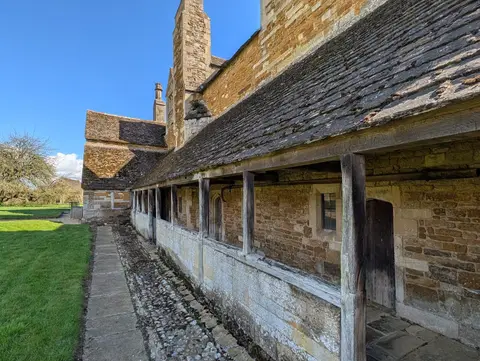
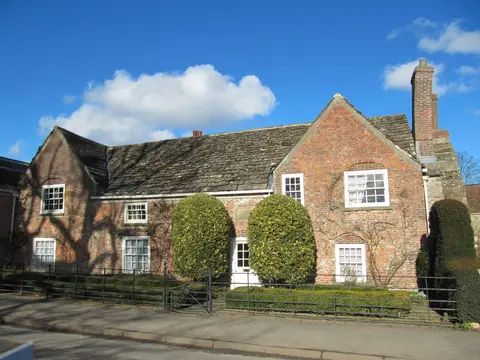
A rare medieval wing of the Bishops of Lincoln's palace, later almshouses; an English Heritage site with fine ceilings.
Rutland
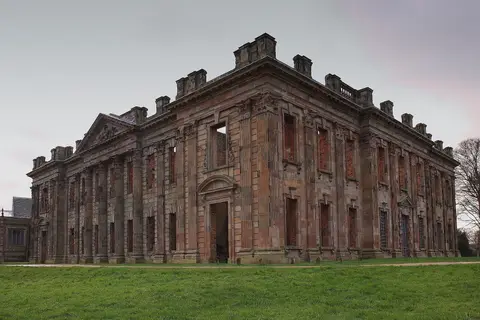
Roofless shell of the Earl of Scarsdale's 1720s mansion near Chesterfield, stripped and sold off in 1919, with some rooms now in a Philadelphia museum.
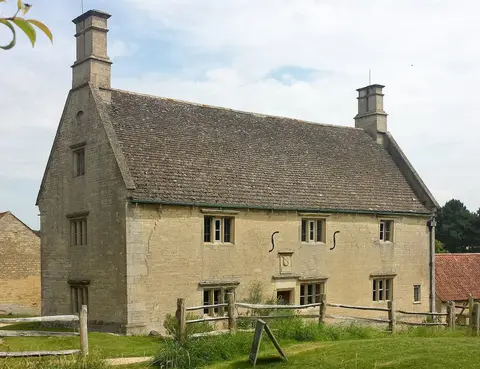
Modest limestone farmhouse where Isaac Newton was born and, under its apple tree, worked out gravity during the plague years.
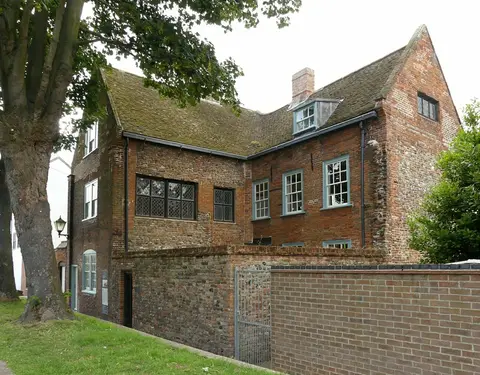
Two 17th-century merchants' houses in Great Yarmouth's narrow Rows, later split into tenements and furnished to show how the port's people lived.
Norfolk
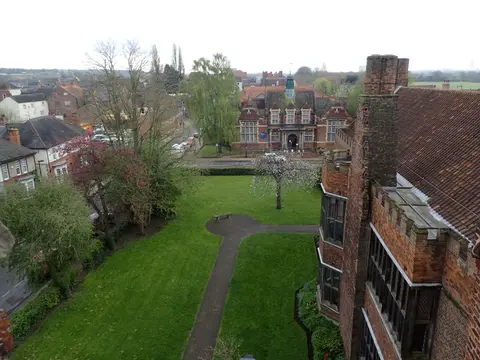
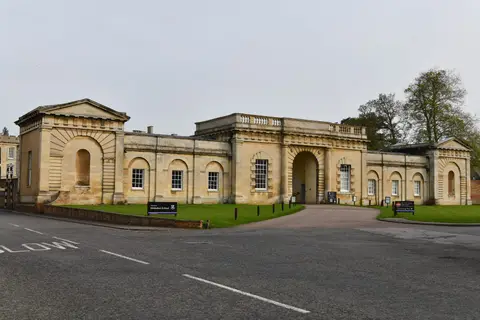
Vanbrugh-remodelled mansion, now a school, where Catherine of Aragon spent her final captivity; open on selected days.
Cambridgeshire
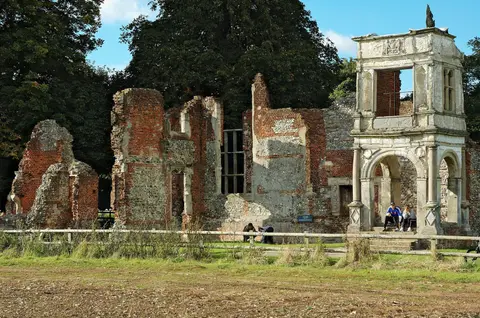
Ruined porch, chapel and clock tower of Sir Nicholas Bacon's Elizabethan mansion near St Albans, built in the 1560s and later home to Francis Bacon.
Hertfordshire
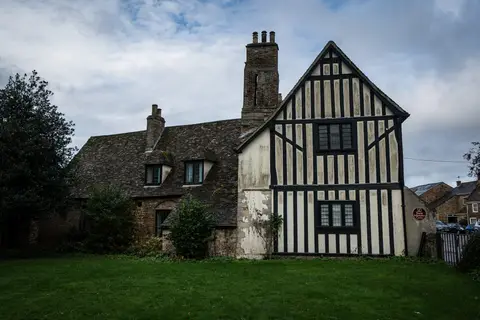
The timber-framed Ely home where Cromwell lived while collecting fen tithes, now a museum of his life and the Civil War.
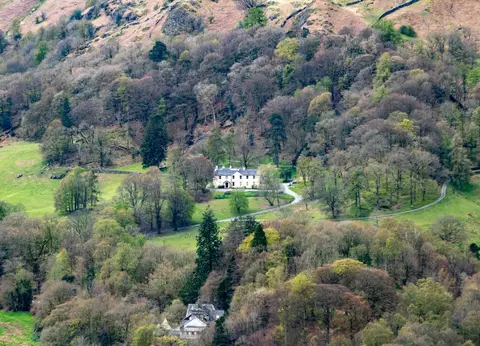
A relaxed National Trust house above Grasmere, once a Wordsworth home and later Canon Rawnsley's, with lake views and open fires.
Cumbria
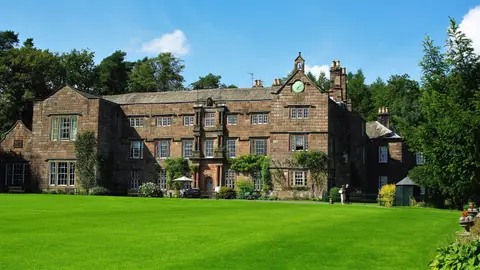
Tudor-fronted country house near Bashall Eaves, home to the Parker family for over five centuries.
Lancashire
William and Dorothy Wordsworth's cramped Grasmere home from 1799 to 1808, where he wrote his greatest poetry, now a writer's-house museum.
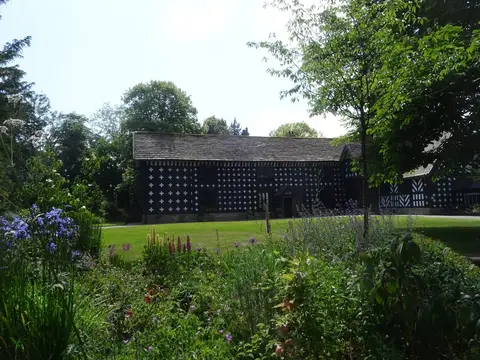
Black-and-white timbered manor of 1325 near Preston, reputedly haunted, with craft shops and a bee centre.
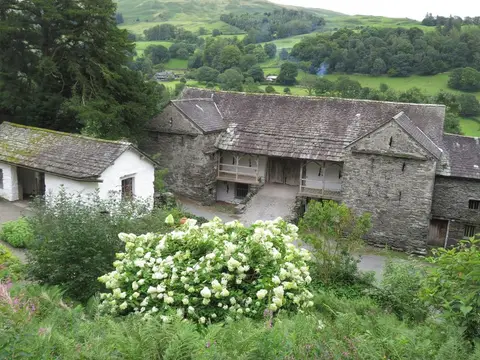
A National Trust time-capsule yeoman's farmhouse in Troutbeck, kept by one family for four centuries with its carved oak and books intact.
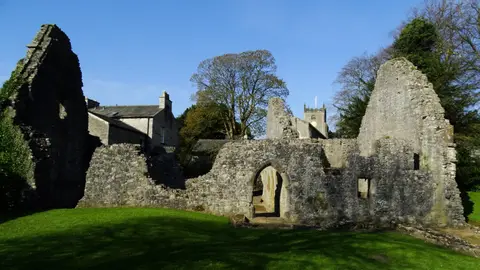
Roofless stone house of the 1300s beside Warton's church, built for the parish's wealthy rectors, with a great hall that also served as a courtroom.
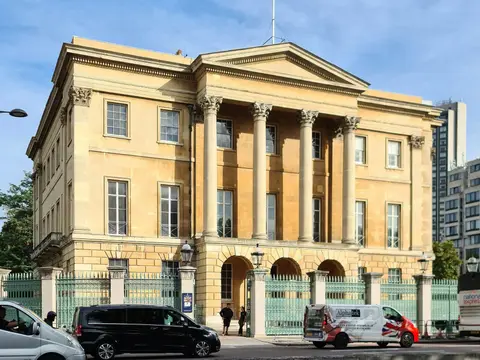
Wellington's townhouse at Hyde Park Corner, nicknamed Number One London, filled with his paintings and Canova's colossal nude statue of Napoleon.
London
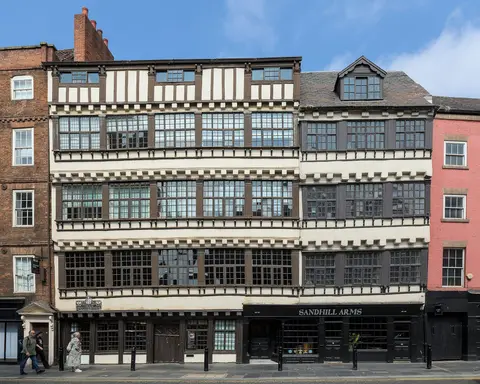
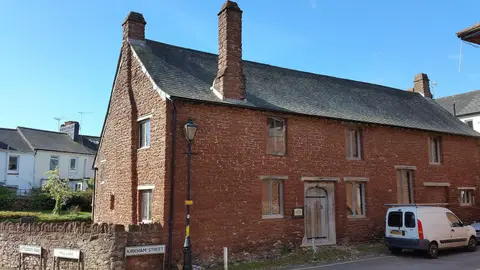
Pair of tall 17th-century merchants' houses on Newcastle's Quayside, from whose window Bessie Surtees eloped with the future Lord Chancellor John Scott in 1772.
Tyne and Wear
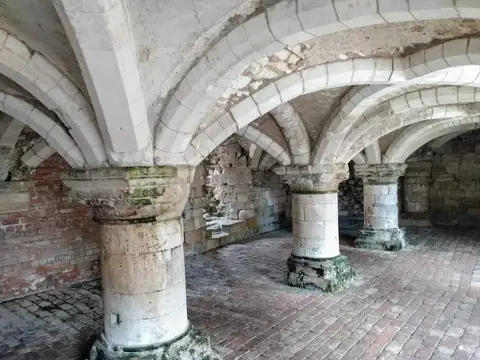
Norman manor house of about 1170–80, later cased in brick, keeping its vaulted undercroft and a roof added in the 1400s, beside Burton Agnes Hall.
East Riding of Yorkshire
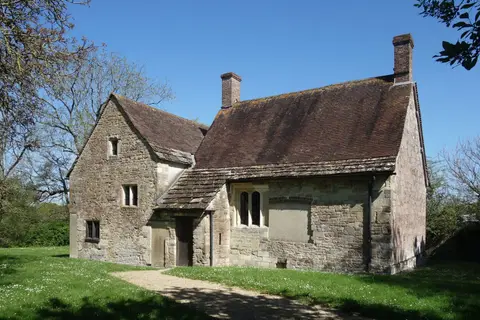
Hall and two-storey solar of a 14th-century stone manor by the River Stour near Sturminster Newton, under elaborate oak roofs with cusped wind-braces.
Dorset
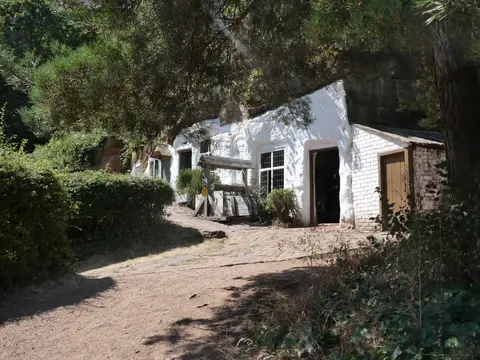
Restored troglodyte dwellings carved into the sandstone of Kinver Edge, the last inhabited rock houses in England, lived in until the 1960s.
Staffordshire
Stone-built late medieval house in the old heart of Paignton, later divided into three cottages and made whole again in the 1960s.
Devon
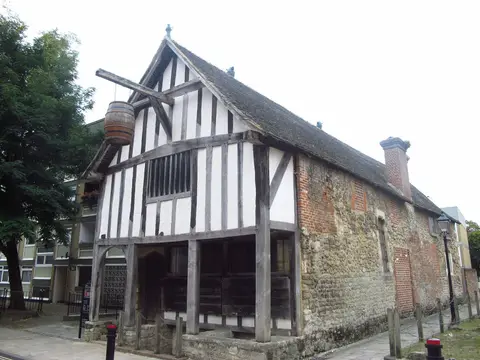
Timber-framed house on French Street built around 1290 for a Southampton wine merchant, refurnished with copies of medieval furniture to show daily life.
Hampshire
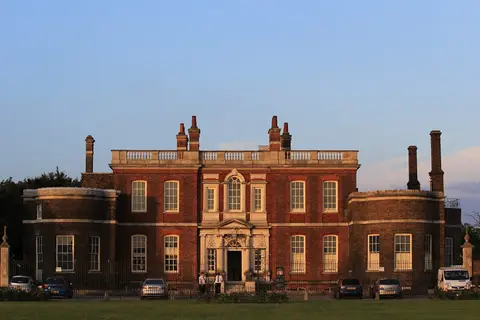
Red-brick Georgian villa beside Greenwich Park holding the Wernher Collection, a diamond magnate's hoard of Renaissance jewels, paintings and other art.
The medieval house at Coxwold where Laurence Sterne wrote Tristram Shandy, with quirky gardens.
North Yorkshire
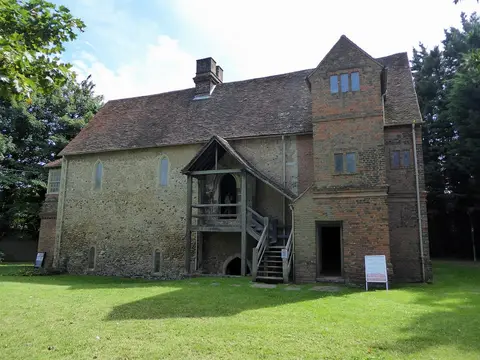
Stone hall built by the Knights Templar around 1240 at Strood, probably to lodge travellers on Watling Street, with 17th-century brick additions.
Kent
The brick cottage where Edward Elgar was born, now a museum in a quiet garden at Lower Broadheath.
Worcestershire
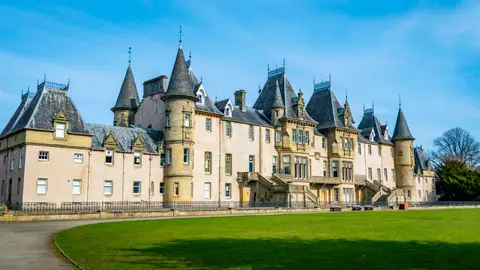
Grand French-chateau-style mansion and free museum in Callendar Park, Falkirk, telling the district's story.
Falkirk
Historic house and museum in wooded parkland at Bo'ness, where James Watt worked on his steam engine.
The monarch's official residence in Scotland, at the foot of the Royal Mile, with Mary, Queen of Scots' rooms and the ruined abbey beside it.
Edinburgh
Best-preserved traditional Lewis blackhouse, a peat-fire crofting home kept as a living-history museum.
Na h-Eileanan Siar
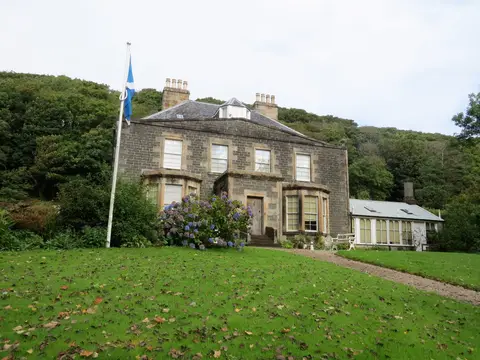
Victorian house on Canna holding the Campbell Gaelic folklore archive, in National Trust care.
Highland
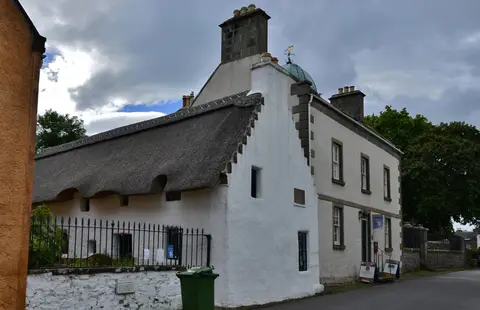
Thatched cottage and Georgian house in Cromarty telling the story of the pioneering geologist and writer Hugh Miller.
A restored 19th-century thatched croft house and mill at Dunrossness, furnished with a peat fire and box beds.
Shetland Islands
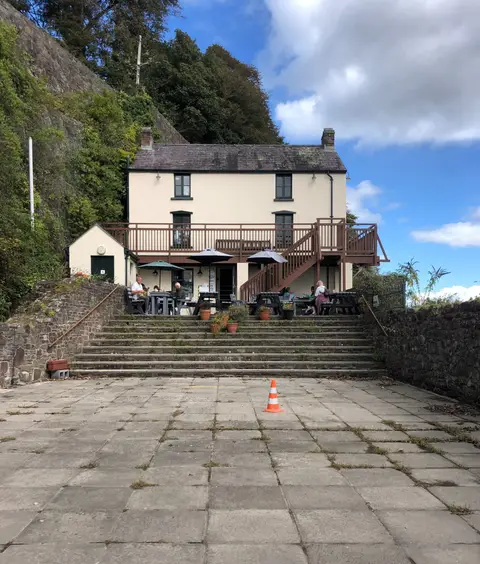
Estuary-side home of the poet Dylan Thomas at Laugharne, now a museum above the Taf.
Carmarthenshire
Tudor gentry manor near Nelson presented as a living-history house of the Civil War period.
Caerphilly