Sixty miles down the Suffolk–Essex Stour from Newmarket to the estuary, through Constable's Dedham Vale
Indicative — sampled from open terrain data along the simplified route.
The Stour Valley Path follows the River Stour that divides Suffolk from Essex — the river of Constable’s paintings, not the Dorset or Kent rivers of the same name. It runs 60 miles from Newmarket, on the Cambridgeshire border, down the valley to the estuary at Cattawade, near Manningtree, and takes most walkers four to six days.
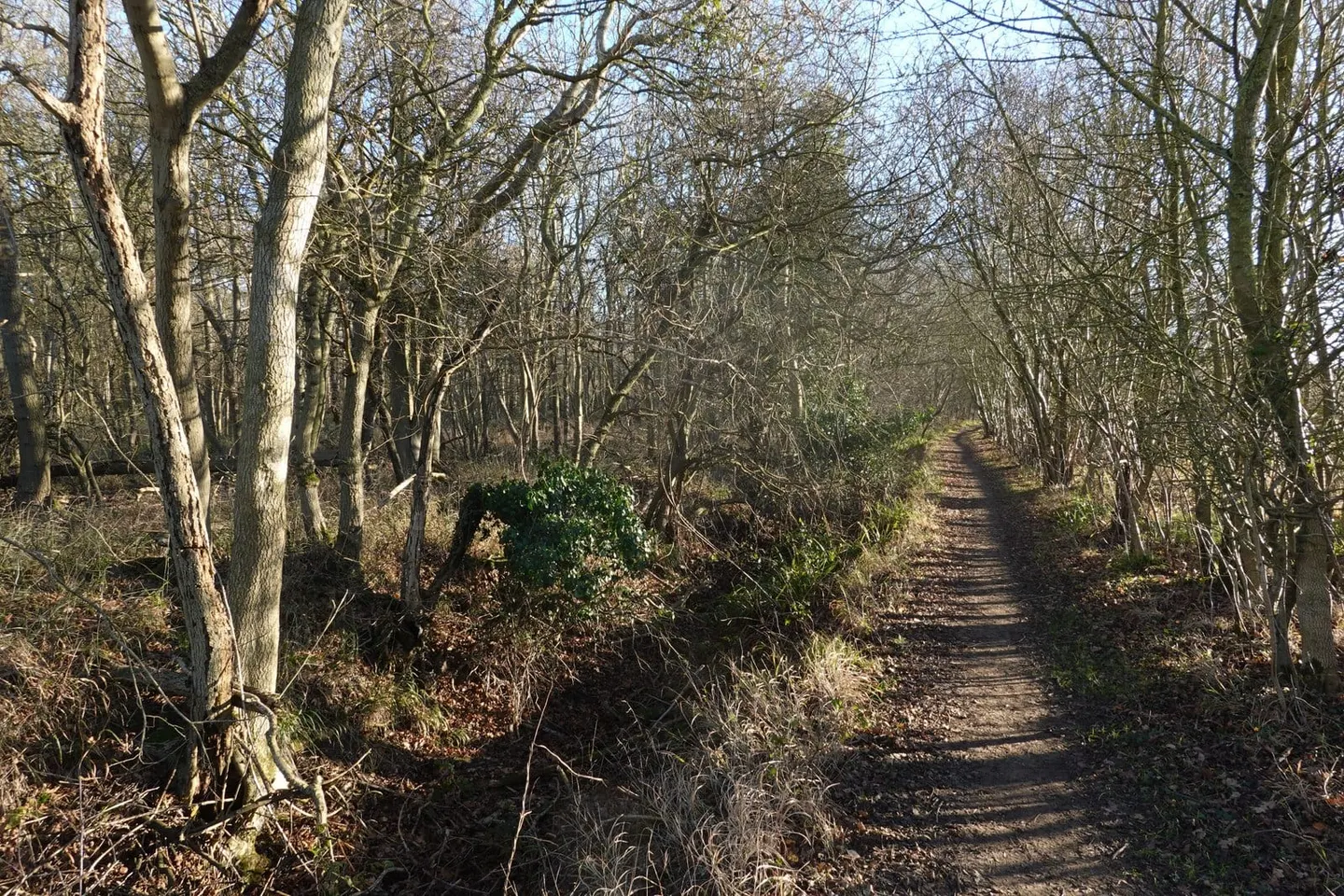
The River Stour is gentle and slow, and the path keeps to its valley the whole way, so the walking is easy — low hills, water meadow, arable farmland and a string of well-kept villages. From Newmarket it drops through Suffolk and Essex farmland to Sudbury, the largest town on the route and Gainsborough’s birthplace, then continues through Bures and Nayland into the finest stretch.
That stretch is Dedham Vale, the protected landscape usually called Constable Country. John Constable grew up here and painted the mills, locks and water meadows around Dedham and Flatford; Flatford Mill and the scene of The Hay Wain lie on or beside the path. Below it the Stour widens to a tidal estuary, and the walk finishes at Cattawade, where the marshes at the head of the estuary are a nature reserve.
Manningtree, a short way on from the finish, has a station on the main line from London to Ipswich, and Sudbury is on a branch line, so the eastern half is easy to reach by train. The valley is quiet and much painted, and the Dedham Vale section is the reason most people come.