Hebridean island of Tobermory, sea eagles and the road to Iona.
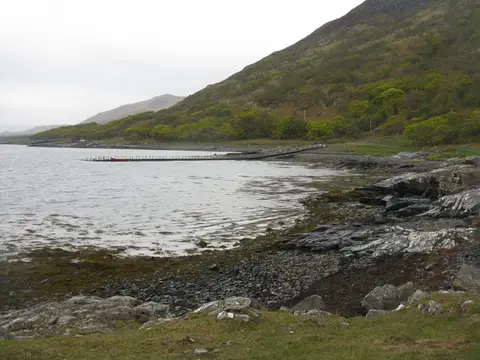
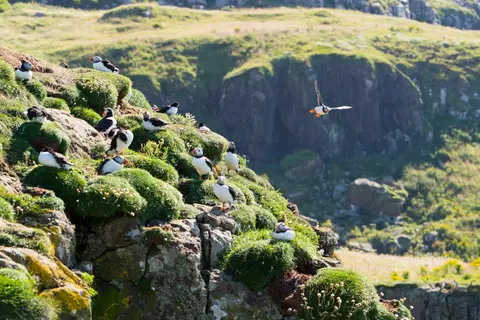
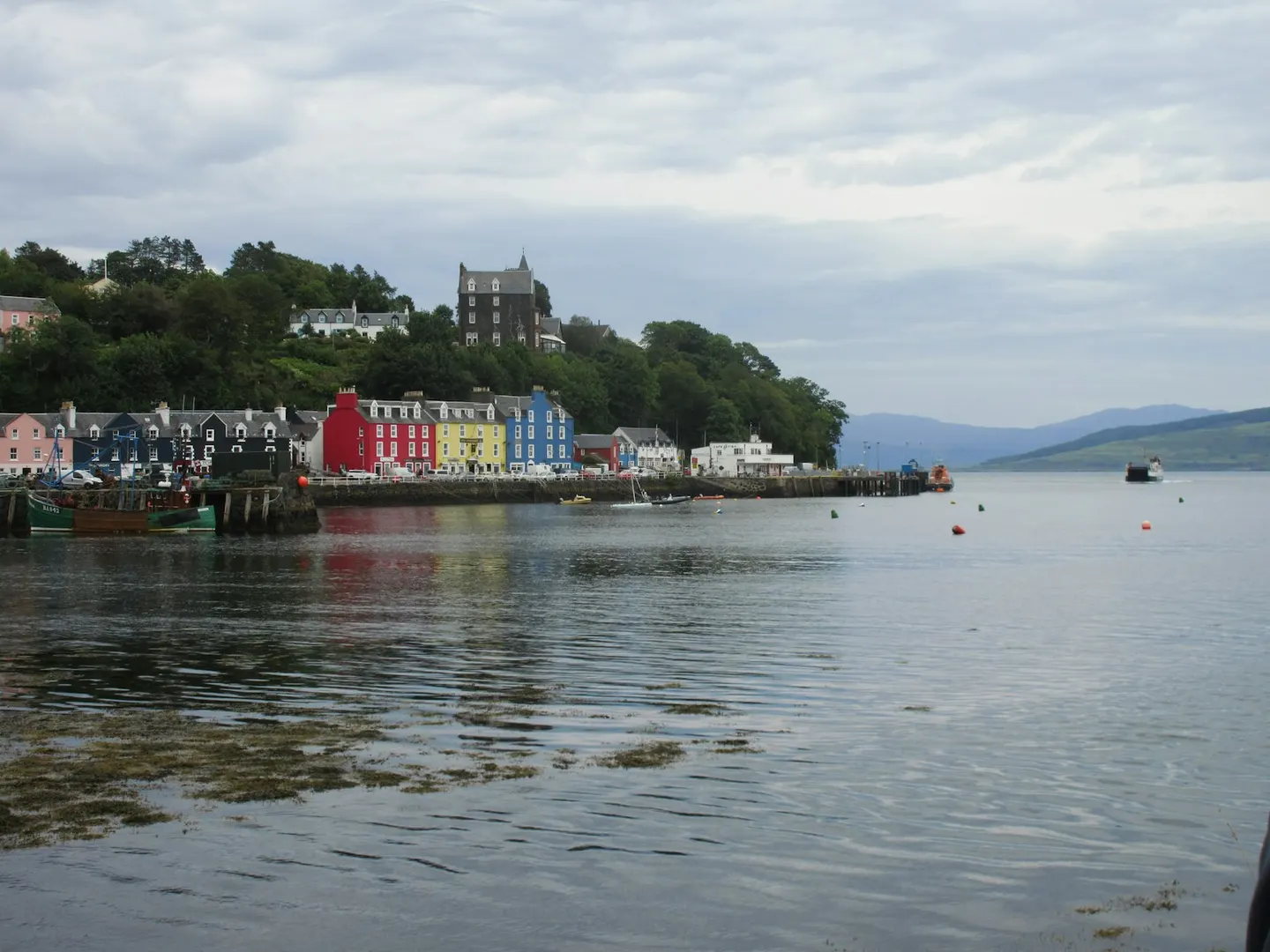
CalMac ferries reach Mull at three points on the mainland. The main crossing, from Oban to Craignure, takes about 45 minutes; shorter routes run from Lochaline to Fishnish and from Kilchoan, on the Ardnamurchan peninsula, to Tobermory. Tobermory’s harbour front, a curve of brightly painted houses built by the British Fisheries Society in 1788, is one of the island’s best-known views, and the Tobermory Distillery, the island’s only distillery, founded in 1798, makes both a smooth malt and a peated one called Ledaig. Mull has the highest density of white-tailed eagles in Scotland, Britain’s biggest bird of prey, and golden eagles too; RSPB hides and wildlife boat trips are among the best ways to spot them over the sea lochs, and otters and red deer turn up as well.
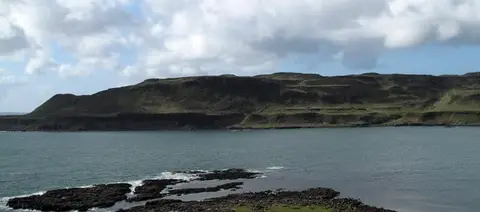
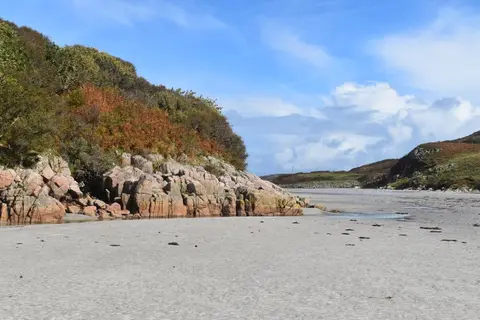
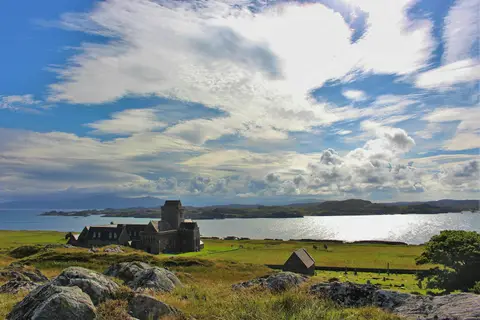
On a headland above the Sound of Mull stands Duart Castle, seat of Clan MacLean since the 14th century and still the chief’s family home, restored in 1911 after standing roofless for more than 150 years. Inland, Ben More, at 966 metres, is the only Munro (a Scottish mountain over 3,000 feet) on any Scottish island except Skye. Mull is also the way to two smaller islands, with passenger ferries from Fionnphort reaching Iona and boat trips from several villages going out to Staffa. Calgary Bay, on the west coast, is one of the best white-sand beaches on the island. Around 3,000 people live on Mull, Scotland’s fourth-largest island.