A moated triangular castle of red sandstone on the Solway coast, famous for its shape and a great medieval siege
Open to visitorsa Historic Environment Scotland site — many are free to wander; staffed ones charge and keep set hours
Substantial ruinsruined, but plenty survives above ground
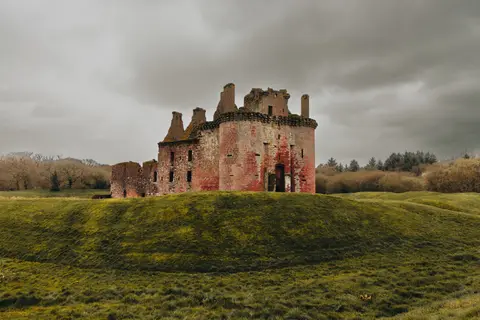
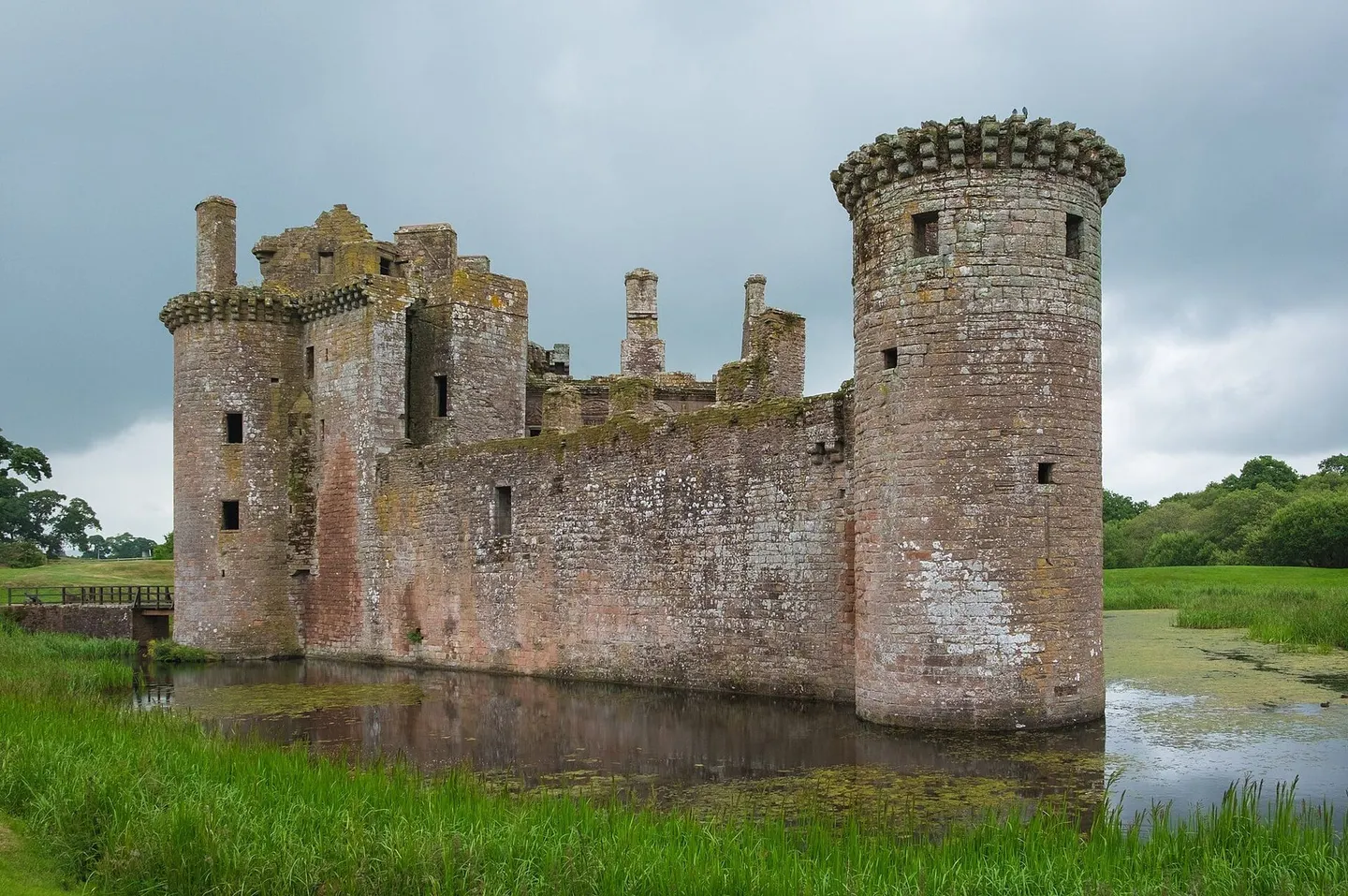
Caerlaverock is one of the most distinctive castles in Scotland because of its shape: it is a triangle, with a twin-towered gatehouse at one corner and round towers at the other two, all built of warm red sandstone and set inside a broad wet moat. That unusual plan makes it instantly recognisable, and the water still lying around the walls gives you a clear picture of how the defences worked. There is an older site, the Old Castle, a short distance away, which was abandoned when the triangular castle was built nearby in the later thirteenth century.
The castle is best known for the siege of 1300, when Edward I of England brought an army against it during the Wars of Scottish Independence. The event was written up in a famous roll of arms of the day, which is partly why so much is known about it. Caerlaverock is looked after by Historic Environment Scotland, and there is enough standing, including the gatehouse and the ranges around the courtyard, to make a proper visit of it.
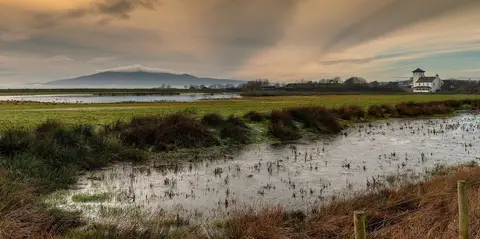
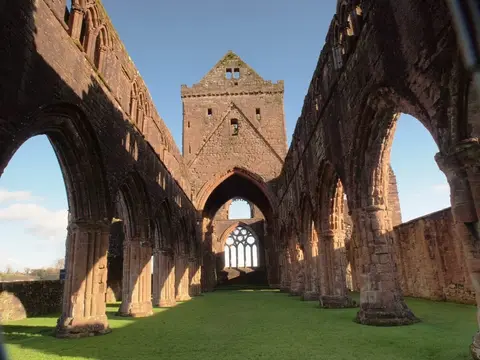
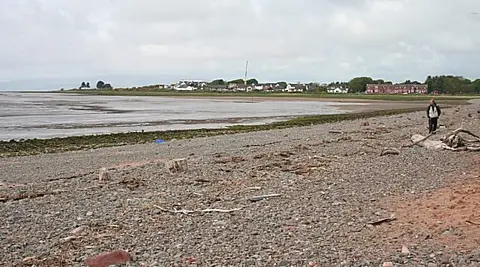
The setting is quiet coastal country on the edge of the Solway Firth, next to the Caerlaverock nature reserve and the WWT Caerlaverock wetland centre, which is a fine spot for wintering geese and swans. A little further off are the pink ruins of Sweetheart Abbey and the hill of Criffel, so it is easy to build a full day out here.