Weavers' Way
Sixty-one miles across Norfolk from Cromer to Great Yarmouth, over farmland and old railway line into the Broads
Indicative — sampled from open terrain data along the simplified route.
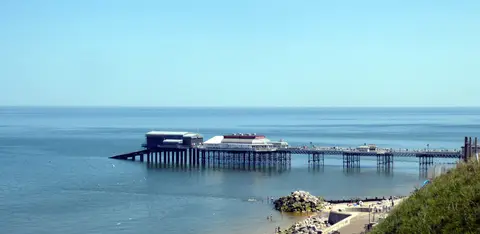
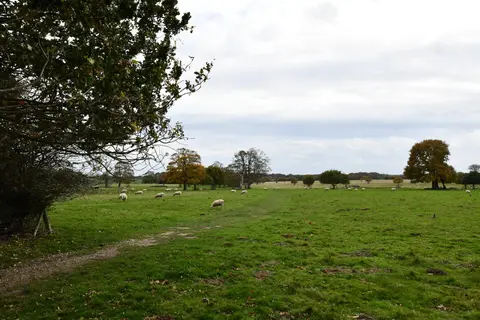
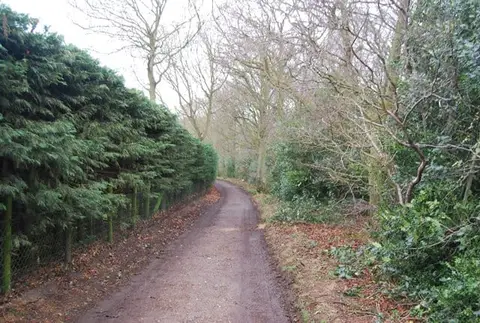
The Weavers’ Way crosses Norfolk for 61 miles, linking the north coast at Cromer to the east coast at Great Yarmouth. It runs inland through a quiet, unshowy landscape of mixed farmland, woodland and river valley, and drops into the Broads for its second half. Most walkers take four or five days, and long stretches follow the flat trackbed of a disused railway, which makes for straightforward going.
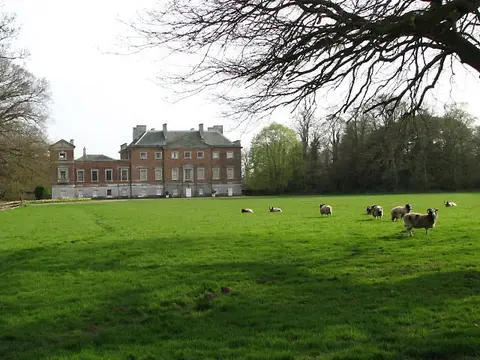
From Cromer the path heads south past the wooded estates around Felbrigg and Blickling to the market town of Aylsham, then follows the old Aylsham-to-Yarmouth railway line, closed in 1959, through North Walsham and the weavers’ village of Worstead. Beyond Stalham it enters the Broads proper, running along dykes and riverbank by Potter Heigham and out across the grazing marshes of Halvergate — some of the emptiest country in eastern England — before skirting Breydon Water and reaching Great Yarmouth.
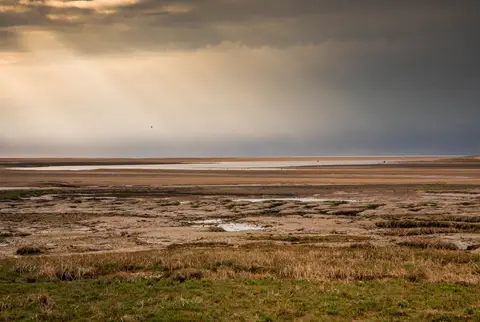
The walking is level throughout, with no hills to speak of; the marsh and Broadland sections are the most remote, open and exposed, with drainage mills standing out across the flats. It is easy underfoot but long, and the middle is genuinely away from towns.
The name comes from the cloth trade that made this part of Norfolk wealthy before the Industrial Revolution, when villages like Worstead — which gave its name to worsted wool — sent out fine cloth and built the grand churches still standing today. Cromer and Great Yarmouth both have stations, and buses reach the towns between, so the route can be walked in stages.