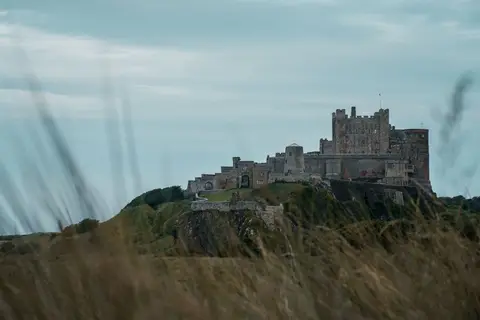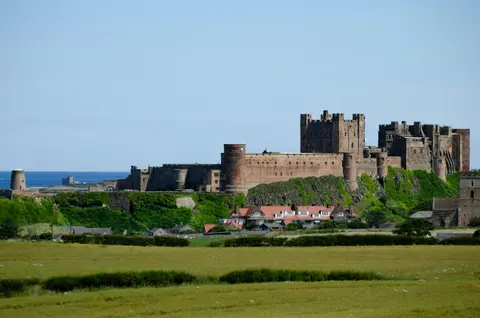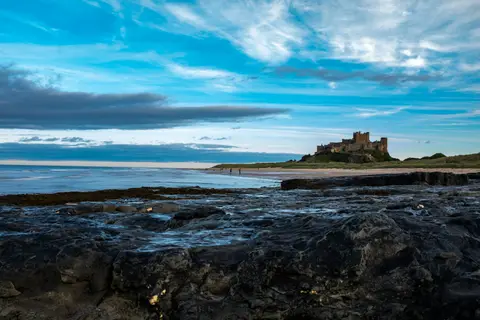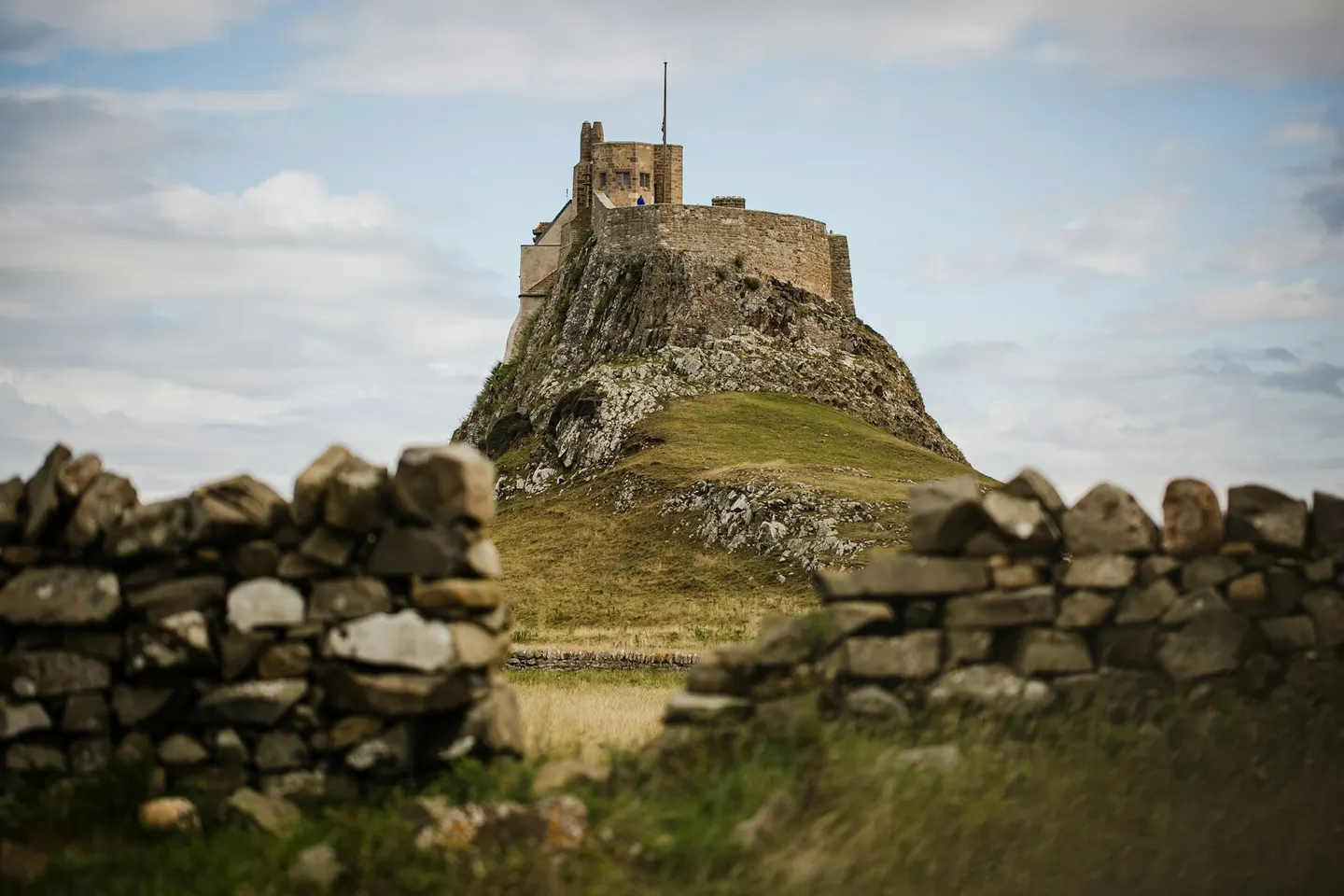
A little Tudor gun fort on Holy Island that an Edwardian magazine owner turned into a whimsical holiday home
Open to visitorsa National Trust place — check opening times and admission before you go
The castle went up in the 1540s as a squat artillery fort guarding the harbour against the Scots, and much of its stone came from the priory down the hill after Henry VIII closed it. For centuries it held a small garrison and not much happened. Then in 1901 Edward Hudson, who owned Country Life magazine, spotted the ruin on a holiday and took it on, handing it to the architect Edwin Lutyens to make into a summer retreat. What Lutyens did from 1903 is the reason to come: thick-walled rooms, a vaulted kitchen and sudden turns of stair, all of it a fort dreamed up as a comfortable house rather than a house pretending to be a fort. Gertrude Jekyll laid out a small walled garden a short walk north, at its best in high summer.
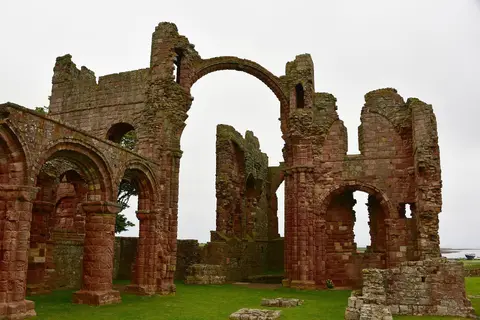
Getting there needs a little planning. Holy Island is cut off twice a day by the tide, and the causeway has posted safe crossing times you must stick to, as people get caught every year. The National Trust charges admission and opens the castle around the tides, so its hours shift with the sea. While you are over, the ruined Lindisfarne Priory and the village are both close, and St Cuthbert’s Way ends its long walk here from the Scottish border.