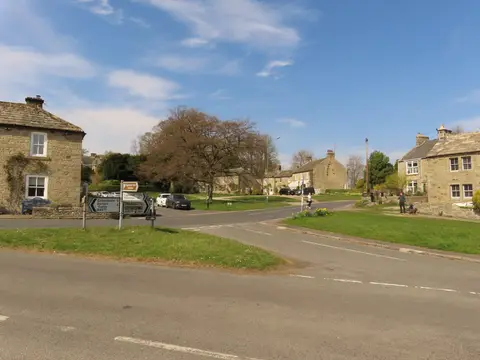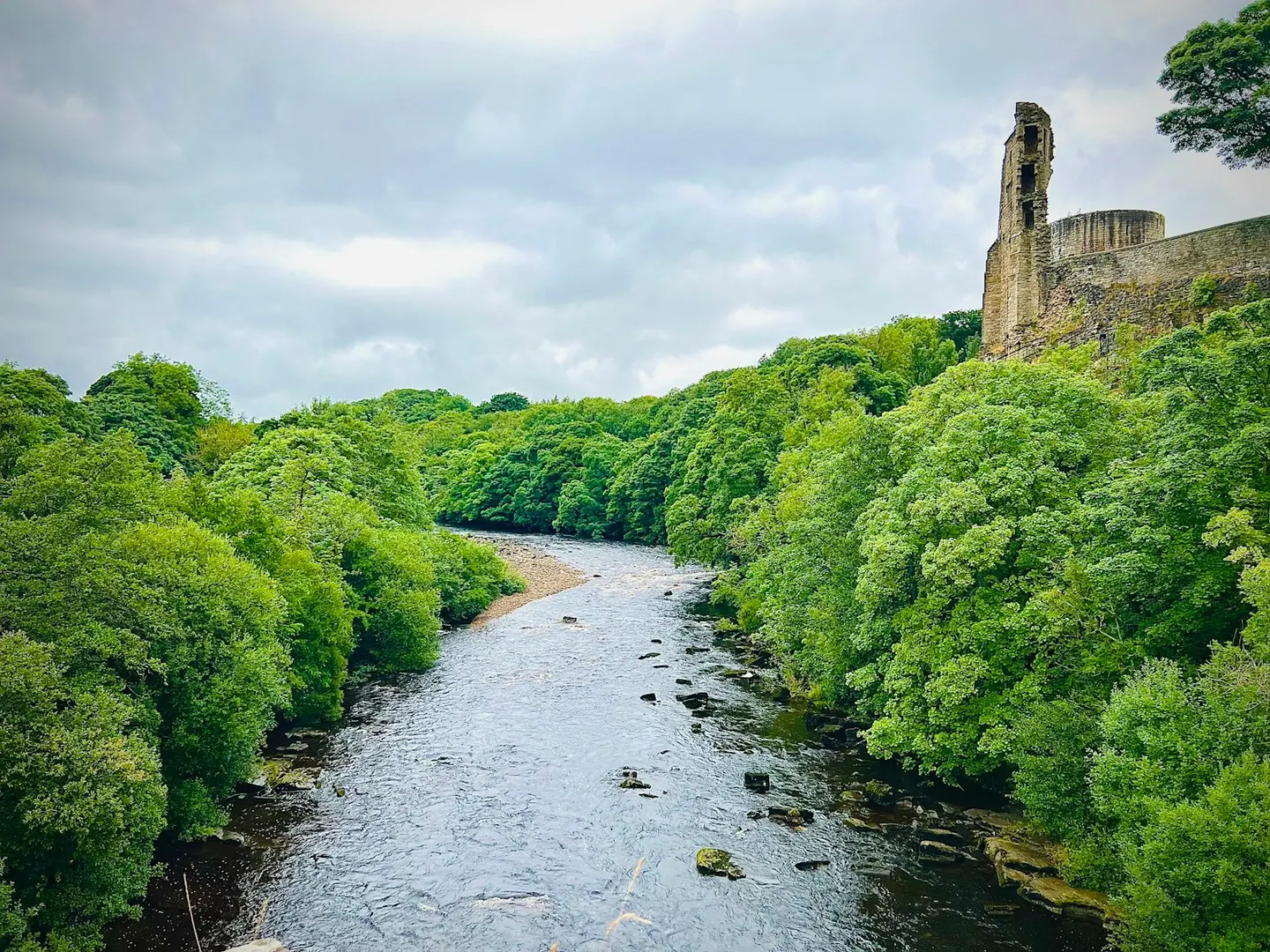
The ruins of a Norman stronghold on a cliff above the River Tees, giving the County Durham market town its name
Open to visitorsan English Heritage site — check opening times and admission before you go
Substantial ruinsruined, but plenty survives above ground
Barnard Castle stands on a steep bank above the River Tees, its ruined walls and round tower looking out over the water and the bridge below. Bernard de Balliol built the stone castle here in the twelfth century, and the town that grew up beside it was named after him, which is where Barnard Castle comes from. The Balliols were a powerful family; one of them, John Balliol, briefly became King of Scots. Later the castle passed to Richard, Duke of Gloucester, before he became Richard III, and you can still spot his boar emblem carved on a window in the inner ward, the innermost walled courtyard.
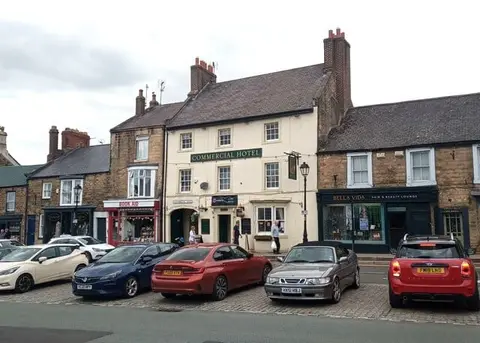
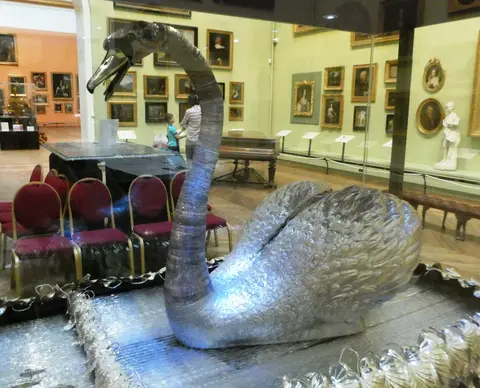
The castle is a ruin now rather than a roofed building, run by English Heritage, but enough survives to make sense of it: the round tower, the great hall range and the courtyards spread along the clifftop. It is an easy walk from the middle of the market town, and you can combine it with The Bowes Museum, a vast French-style building on the edge of town that holds a serious art collection.
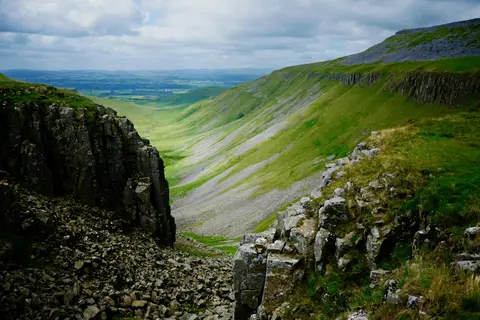
A little downstream lie the ruins of Egglestone Abbey, and the Teesdale Way follows the river past the castle if you fancy stretching the visit into a walk. The town itself is a good place to potter, with the North Pennines rising away to the west.
More at the National Heritage List entry