The hunting lodge where Charles II hid after his defeat at Worcester in 1651, oak tree and priest holes included
Open to visitorsan English Heritage site — check opening times and admission before you go
Charles II reached Boscobel House at first light on 6 September 1651, three days on from the Battle of Worcester, which had ended his campaign to reclaim the crown. He had sheltered briefly at White Ladies Priory, a mile off and also held by the Giffards, before a bid to cross the River Severn into Wales was blocked. The Penderels, farming tenants on the Giffards’ land, guided and hid him.
According to the account written soon after the Restoration, Charles and a fellow fugitive, Major William Careless, spent that day up a pollarded oak on the grounds — its branches cut back hard so they grew again thick and bushy — watching Parliamentarian soldiers search the woods below. That night he hid in one of the house’s priest holes instead, small concealed spaces the Catholic Giffards had built a generation earlier to shelter priests from a state that fined and jailed Catholics for practising their faith. The oak in the field today is a descendant of the original tree, which souvenir hunters gradually stripped bare once Charles’s story became famous.
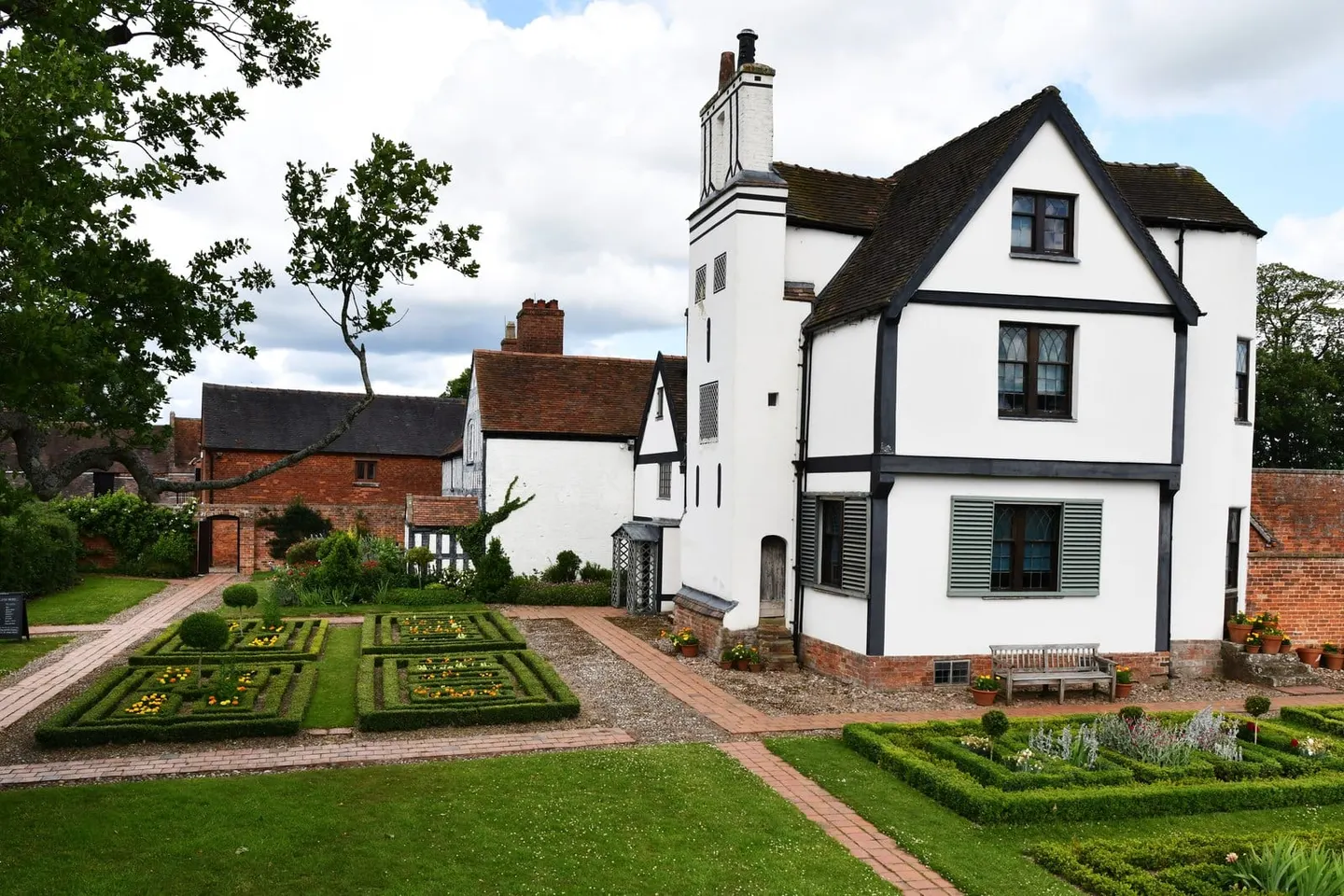
Charles returned to the throne in 1660, and 29 May was made a national holiday, Oak Apple Day, in his honour. Boscobel itself began as a farmhouse, its oldest timbers dated to about 1595, before John Giffard converted it into a country hunting lodge in the 1620s. Boscobel carried on as a farm afterwards, and the Evans family bought the estate in 1812 and later restored both house and garden in a deliberately old-fashioned style to keep the story alive for visitors.
There’s an entry charge and staff on hand at Boscobel, where you can explore the priest holes, the garden and the field where the oak grows. The Monarch’s Way long-distance path, which follows Charles’s escape route across the Midlands, runs along the grounds, and Moseley Old Hall, another Catholic safe house where Charles hid two nights later, is a short drive east.