Lullington Heath
One of the last patches of chalk heath in Britain, where lime-loving and lime-hating plants somehow grow side by side
Open accessin a National Nature Reserve open to the public
Chalk downland is normally too alkaline for heather, gorse or bilberry, plants that need acidic soil to do well, so they don’t usually grow alongside chalk-loving grassland species — except at Lullington Heath, where a thin, patchy cap of clay-with-flints sits over the chalk, left behind by older deposits that have washed away almost everywhere else on the Downs. Wherever that cap survives, it creates small pockets of acidic ground within an otherwise lime-rich landscape, close enough together that heather ends up growing within a few strides of chalk-loving flowers that need the opposite kind of soil. The result is chalk heath, a combination that’s rare across Britain.
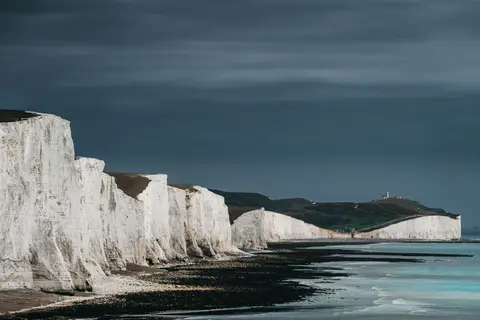
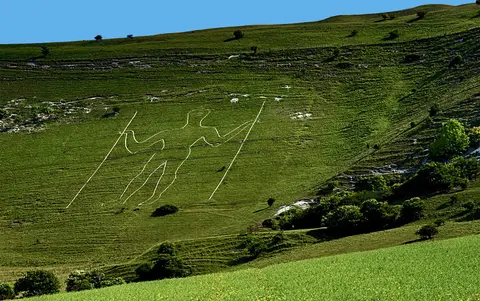
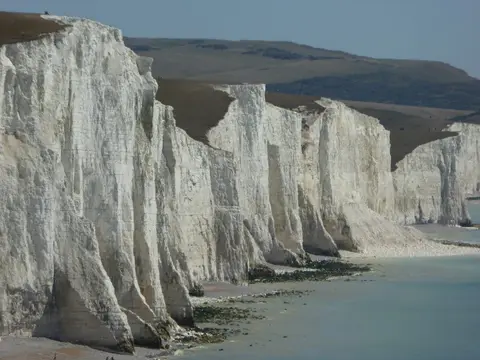
The national nature reserve sits on the South Downs above Alfriston and Wilmington, open access land with paths crossing both the heath and the surrounding chalk grassland, so you can wander either. Skylarks nest in the rougher grass through spring and early summer, one good reason to keep dogs on a lead if they’re prone to running off into cover. It makes a natural add-on to a visit to the Long Man of Wilmington and Wilmington Hill just to the north, or Seven Sisters to the south, with Wilmington Priory close enough to take in on the same day out.