What is left of a Yorkshire Wolds village that emptied out five centuries ago, and what forty years of digging there found
Open accessfree to visit at any reasonable time
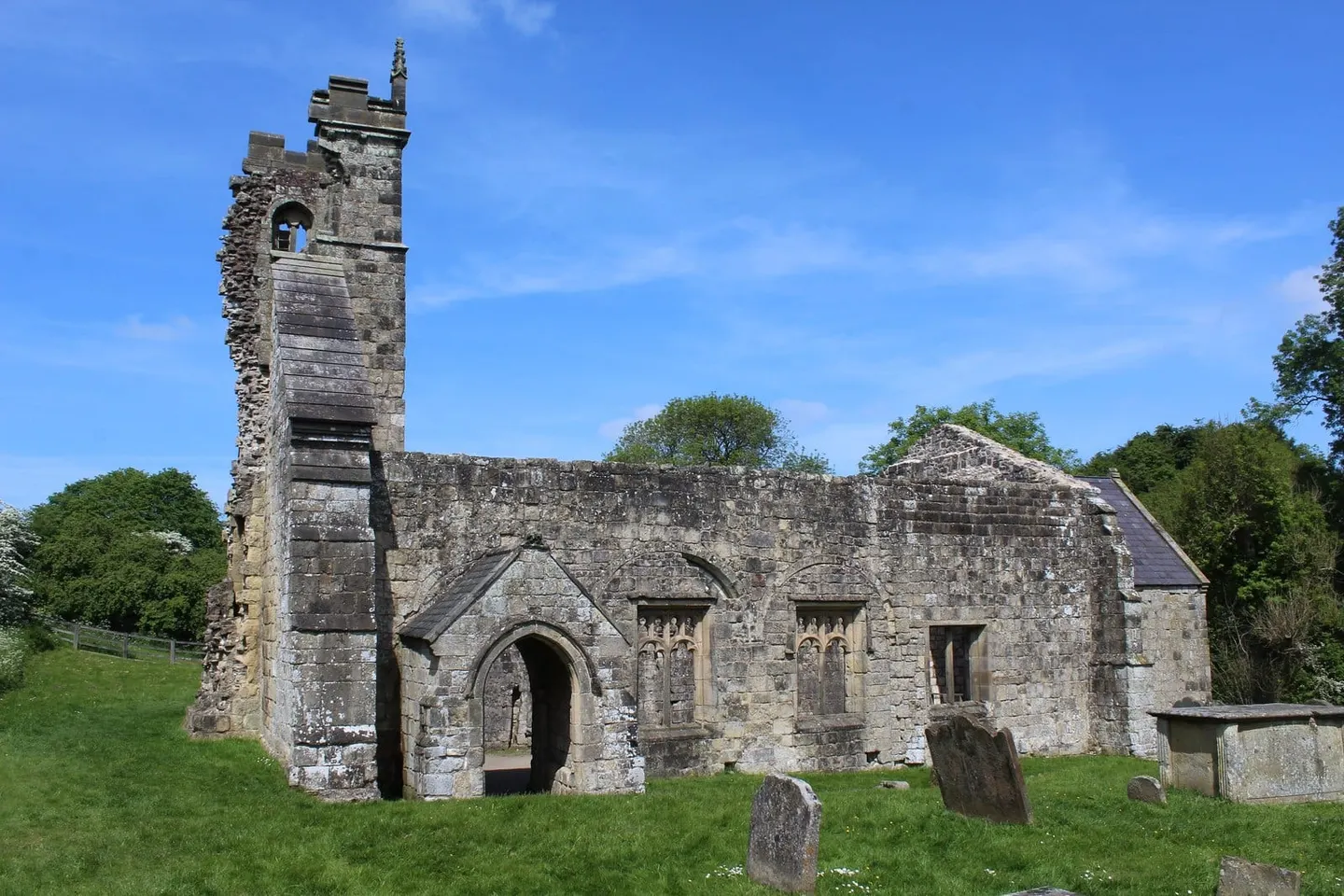
A village stood for around 600 years in this steep Wolds valley, before it emptied out in the early 1500s. What survives today is mostly earthwork: grassy humps and hollows mark the platforms where roughly 40 houses once stood, arranged in three rows either side of a green, alongside the low earthworks of two former manor houses. The only building left standing is the roofless shell of St Martin’s Church, whose tower finally came down in 1959.
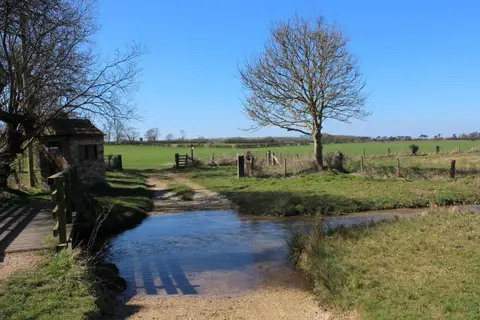
St Martin’s was rebuilt time and again, from the 1100s to the 1600s; when its fallen tower was dug out, archaeologists found a smaller stone church underneath, and below that, the footings of an even older timber one. The pond below the ruin is still there today; it once turned a watermill, and after the village emptied, became a drinking place for livestock and later somewhere to wash sheep.
The village’s second name came from the Percy family, minor lords who bought up most of the landholding by the 1250s; earlier owners recorded in the Domesday Book had names suggesting Viking ancestry. Wharram Percy’s ending was slow. Scots raiders burned nearby farms around 1320, the Black Death arrived in 1349, and later landowners turned the land over to sheep, which brought in more than growing crops did. Numbers fell through the 1400s, and evictions around 1500 cleared most of what remained, though farmers kept working the site into the 20th century, most recently from cottages occupied until 1976.
Wharram Percy became a testing ground for a new kind of archaeology after the historian Maurice Beresford visited in 1948; teams returned most summers for the next forty years, and study of the skeletons dug from the churchyard continues today. Cut marks and scorching on some of the excavated bones lead some archaeologists to read them as evidence of an old fear that the dead might walk. The village is free to visit at any reasonable time; the Yorkshire Wolds Way runs close by, passing near Thixendale.