The largest lake by surface area in Britain, its wooded islands and quiet wetlands making a national nature reserve on the edge of the Highlands
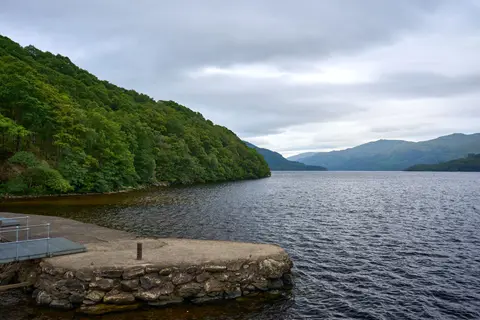
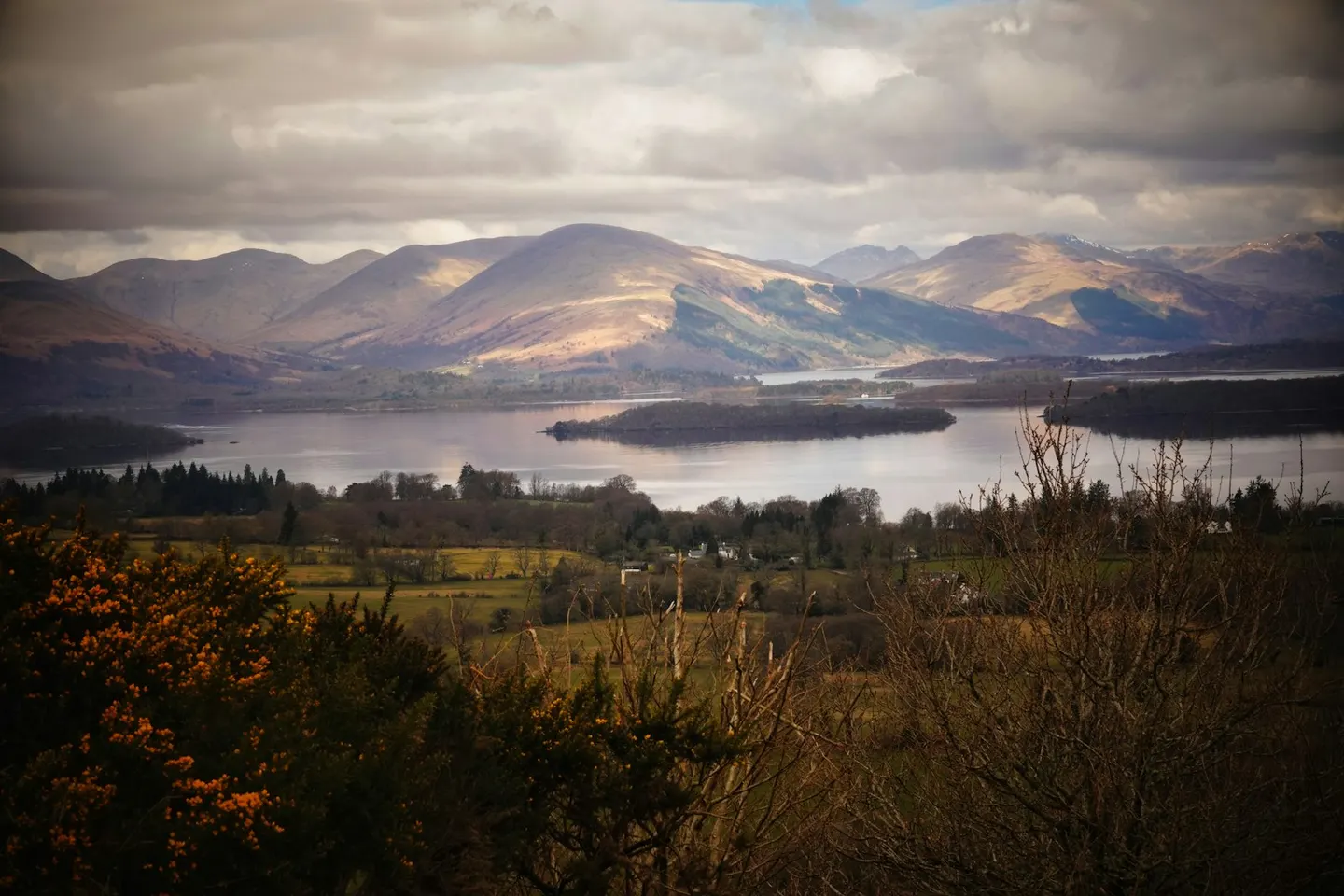
Loch Lomond is the largest lake by surface area in Britain, a long stretch of fresh water on the southern edge of the Highlands. The Highland Boundary Fault, the geological line where the Lowlands give way to the mountains, runs straight across the loch, and you can read it in the shape of the water: narrow and deep in the north between steep hills, wide and scattered with wooded islands in the south. Those islands and the marshy ground where the River Endrick flows in make up the national nature reserve, which is a haven for wintering geese and other birds. The loch as a whole lies within Loch Lomond and the Trossachs National Park.
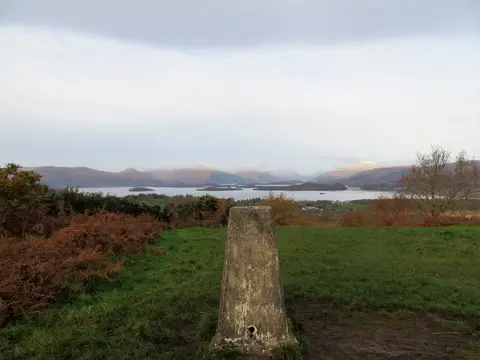
The eastern shore around Balmaha is the easiest way in, and the small hill of Conic Hill just behind the village is the spot for the classic view: a line of islands running south-west down the loch, set right along that fault line. You can walk up it in a morning.
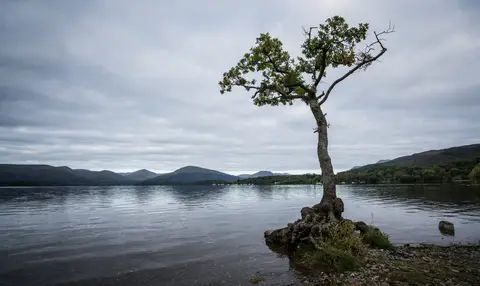
Balmaha is a natural base, with a car park, boat trips out to the islands and a beach a little further up at Milarrochy Bay. The West Highland Way, Scotland’s best-known long-distance path, runs along the eastern shore, so you will share the lochside with walkers heading north. Conic Hill rises straight from Balmaha, and the Oak Tree Inn there is a handy spot to end the day, while Milarrochy Bay is the place for a paddle in warmer weather.