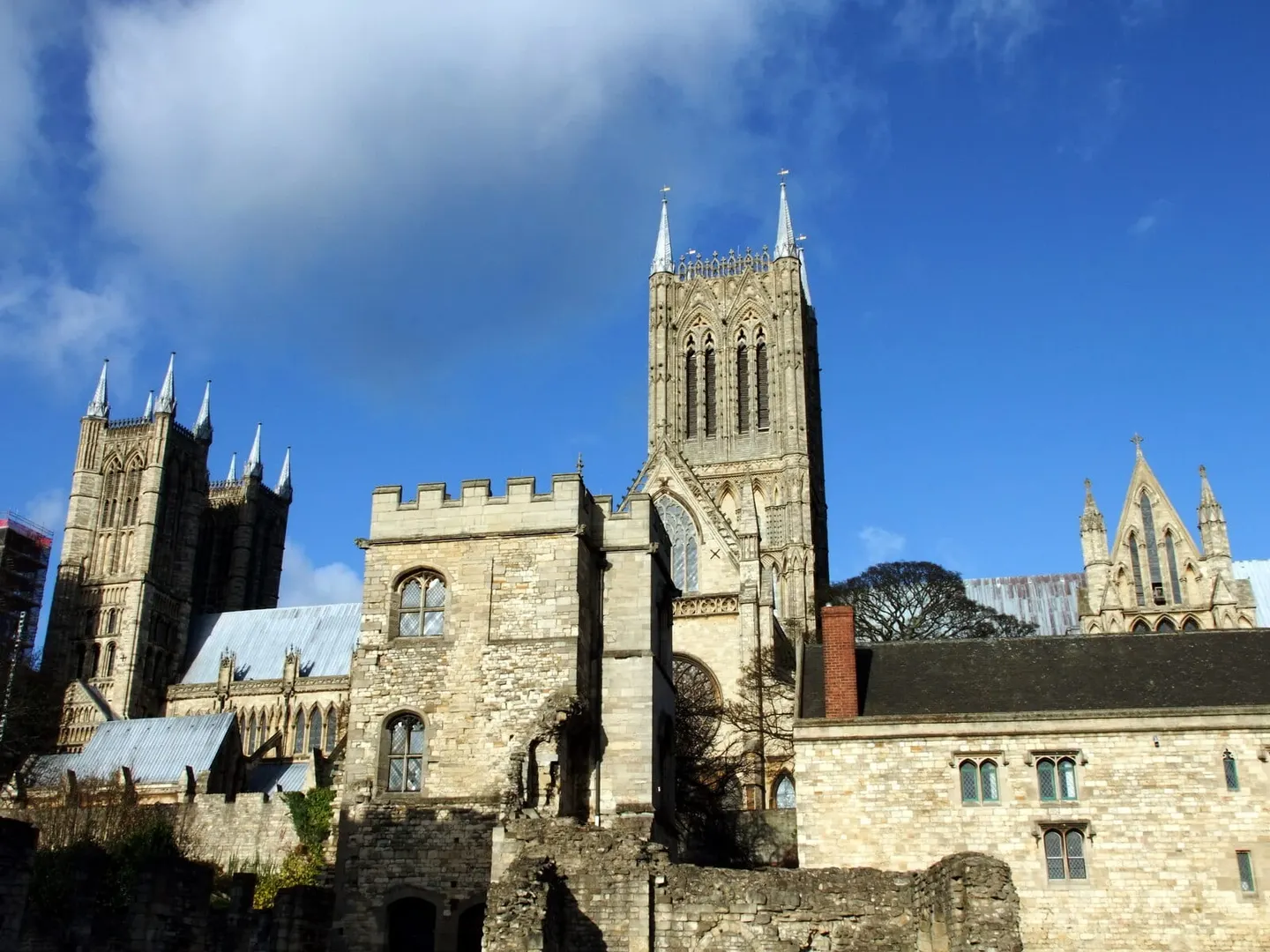
The ruined medieval palace built for Lincoln's bishops, terraced into the hillside below the cathedral, with a vaulted undercroft and a working vineyard
Open to visitorsan English Heritage site — check opening times and admission before you go
Substantial ruinsruined, but plenty survives above ground
For about five hundred years from the 12th century, this hilltop palace was the working base for the bishops who ran Lincoln’s diocese, stretching from the Thames to the Humber. A local bishop was granted the site in the 1130s, but building only got going properly once Robert de Chesney became bishop in the 1150s, and most of it was finished within a decade.
The building grew over the next three centuries. An earthquake hit Lincoln in 1185, possibly damaging the palace too, and the newly appointed bishop, Hugh of Avalon, later canonised as St Hugh of Lincoln, began rebuilding. His successor, Hugh of Wells, finished the great west hall in the 1230s, roofed with 40 oak trees granted by Henry III from Sherwood Forest, on a scale few English halls could match. Two centuries later, Bishop William Alnwick built the tower still known by his name, with his own bedroom on its top floor and a window facing the cathedral.
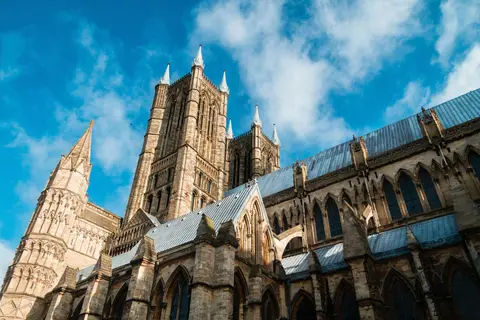
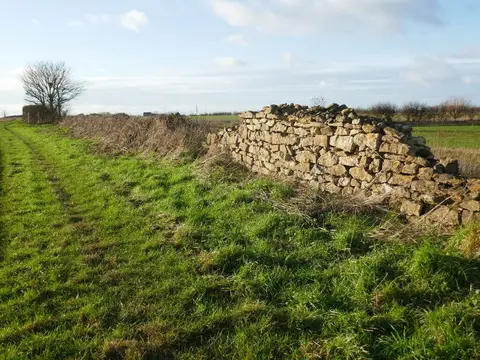
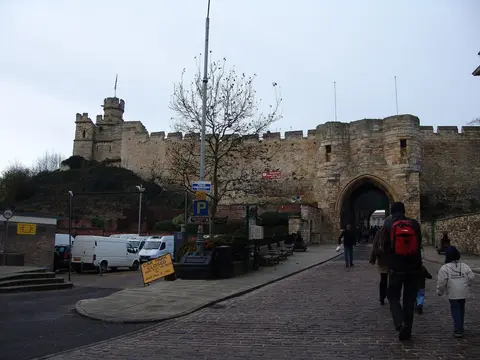
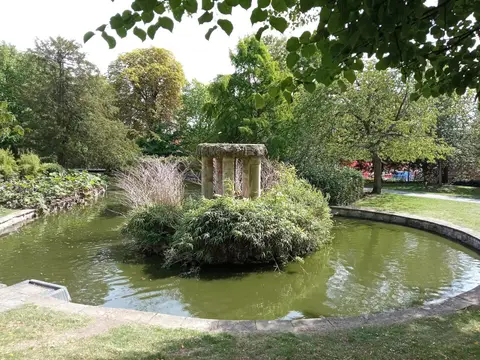
During the English Civil War, Lincoln fell to Parliamentary forces, Royalist soldiers set fire to part of the palace, the lead was stripped from the roofs, and the stone was taken for other buildings. More stone went to repair Lincoln Cathedral in the 1720s, and by the 19th century the ruin had become little more than an ornamental garden feature. English Heritage has since repaired much of the stonework here and opened up more of the site, including the hillside garden and small vineyard on its terraces. You’ll pay to get in, and the ticket includes an indoor exhibition on the palace’s rise and ruin. Lincoln Cathedral rises just above it, Lincoln Castle is a few minutes’ walk beyond that, and Lincoln Central Station is under a kilometre away.