A medieval new town built on a grid to replace one the sea destroyed, then largely abandoned by the sea that built it
Open accessNational Trust land — free to wander
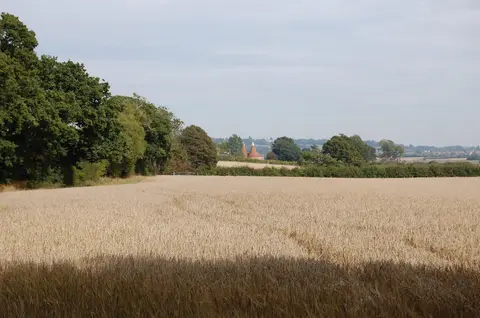
Old Winchelsea was a working port until storms broke it apart in the 13th century. Edward I built a replacement on the hill above, laid out on a grid like the French bastide towns he was building at the same time in Gascony, meant to rival Rye as a major port. The grid is still there, wider and more ambitious than the town has ever needed, and the town has never grown to fill it. French raids in the 14th century did real damage, the harbour silted up regardless, and the sea the new town was built around eventually left it cut off a couple of miles inland.
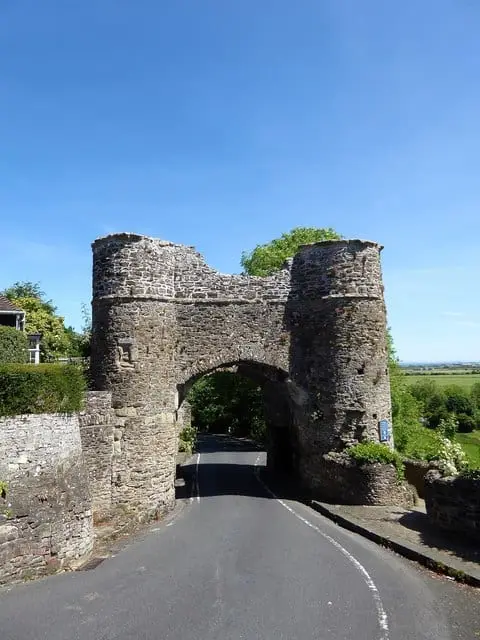
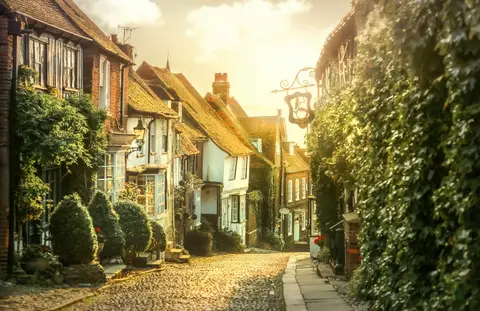
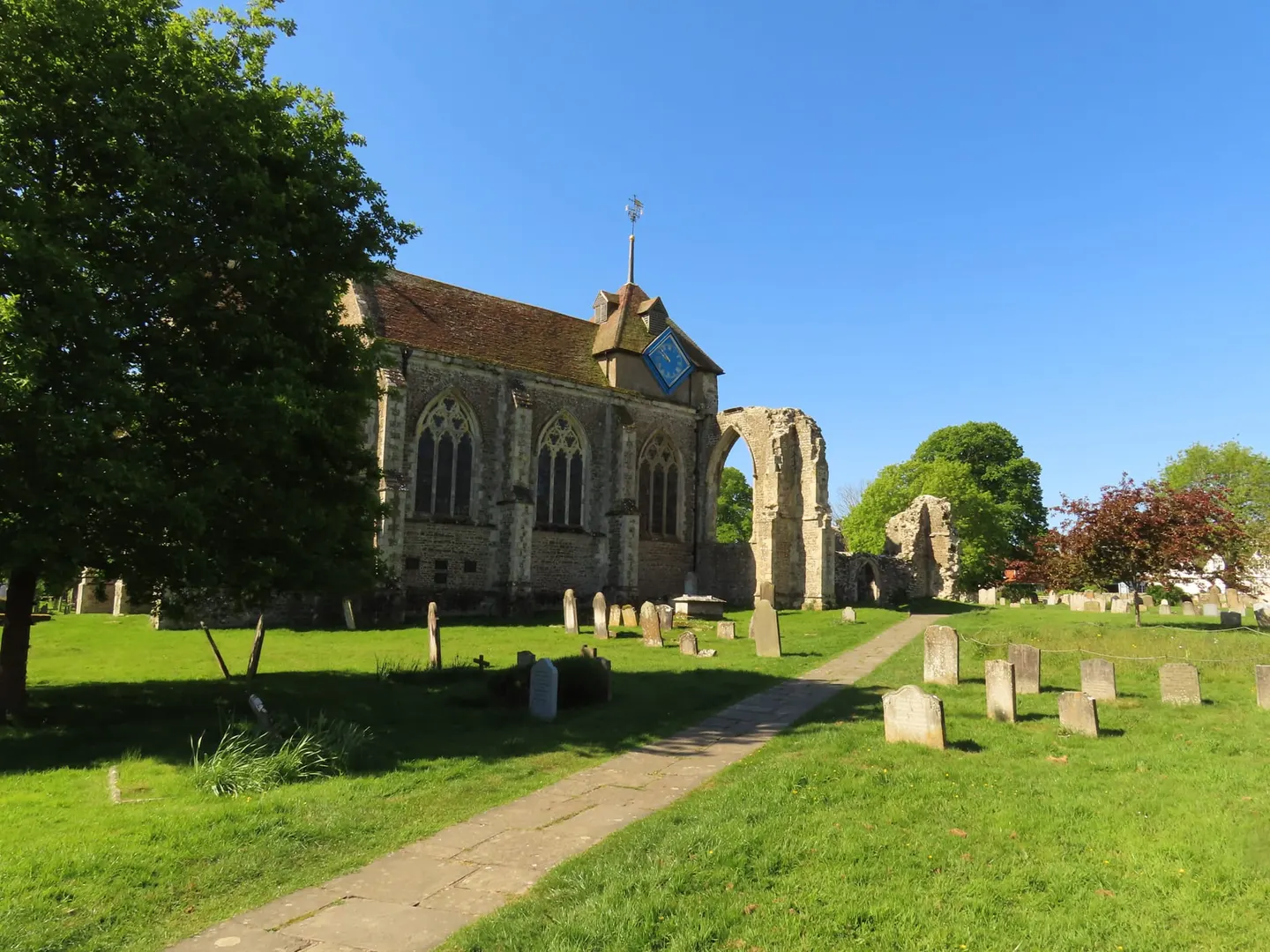
What’s left is a scatter of houses inside an oversized grid — often called the smallest town in England — three of the original town gates still standing over roads that lead to fields now, and dozens of vaulted medieval cellars underneath the houses, left over from a wine trade the town no longer does. St Thomas’s Church is the other giant clue: only the chancel of a much bigger design was ever finished, and Spike Milligan is buried in the churchyard under a headstone that says, in Irish, “I told you I was ill.”
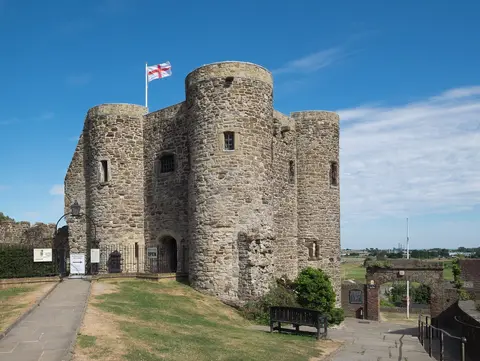
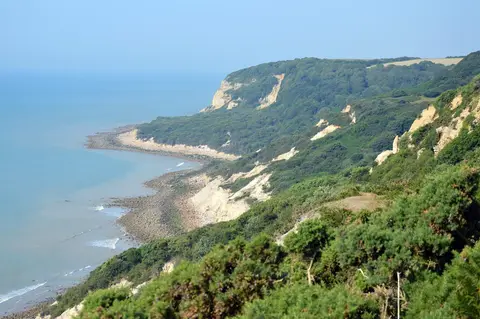
The National Trust holds land around the edges of the town, and Rye Harbour and Camber Castle are both close by along the coast. Lamb House in Rye, once Henry James’s home, makes a second literary stop to go with Milligan’s grave. Winchelsea station, an unstaffed halt on the Ashford line, is about a kilometre to the north-west.