Camber Castle
Local highlightA Tudor gun fort stranded a mile inland once the sea gave up on Rye
Open accessfree to visit at any reasonable time
Substantial ruinsruined, but plenty survives above ground
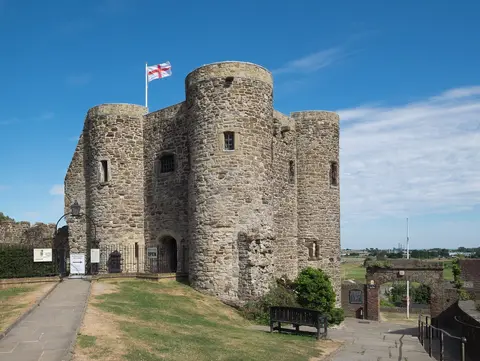
Henry VIII first raised a stone gun tower at Camber in 1512–14, then had it hugely expanded in 1539–44 into one of the chain of artillery forts raised along the south coast once he’d picked a fight with most of Catholic Europe. Its plan is distinctive: a round central tower ringed by four rounded bastions, built for cannon rather than archers. It was erected to guard the entrance to Rye’s harbour, which in the sixteenth century came right up to its walls.
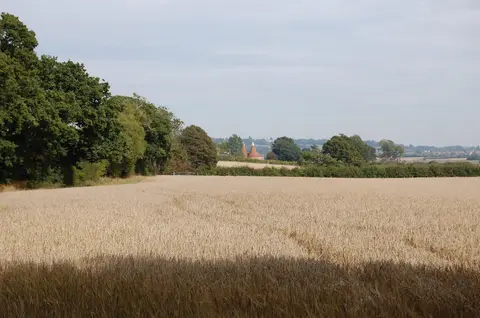
That didn’t last. Shingle drift and silting pushed the coastline south, and within a hundred years the castle built to defend a harbour mouth was looking out over dry pasture instead, the water long gone. It was decommissioned in 1637, having seen no real action, and nothing has been done to it since, which is probably why it has kept its shape better than most of Henry’s forts, several of which were altered beyond recognition to stay in service.
It’s reached on foot across the fields rather than by road, inside Rye Harbour nature reserve, so the walk in doubles as decent birdwatching territory. Lamb House is near enough to see on the same trip. The castle itself is English Heritage property, though the interior only opens on specific days, not on a casual walk-in basis — most visits end up circling the outside, which is still worth doing.
More at the National Heritage List entry