A Roman fort the Normans moved into, then the army again in the Second World War
Open to visitorsan English Heritage site — check opening times and admission before you go
Substantial ruinsruined, but plenty survives above ground
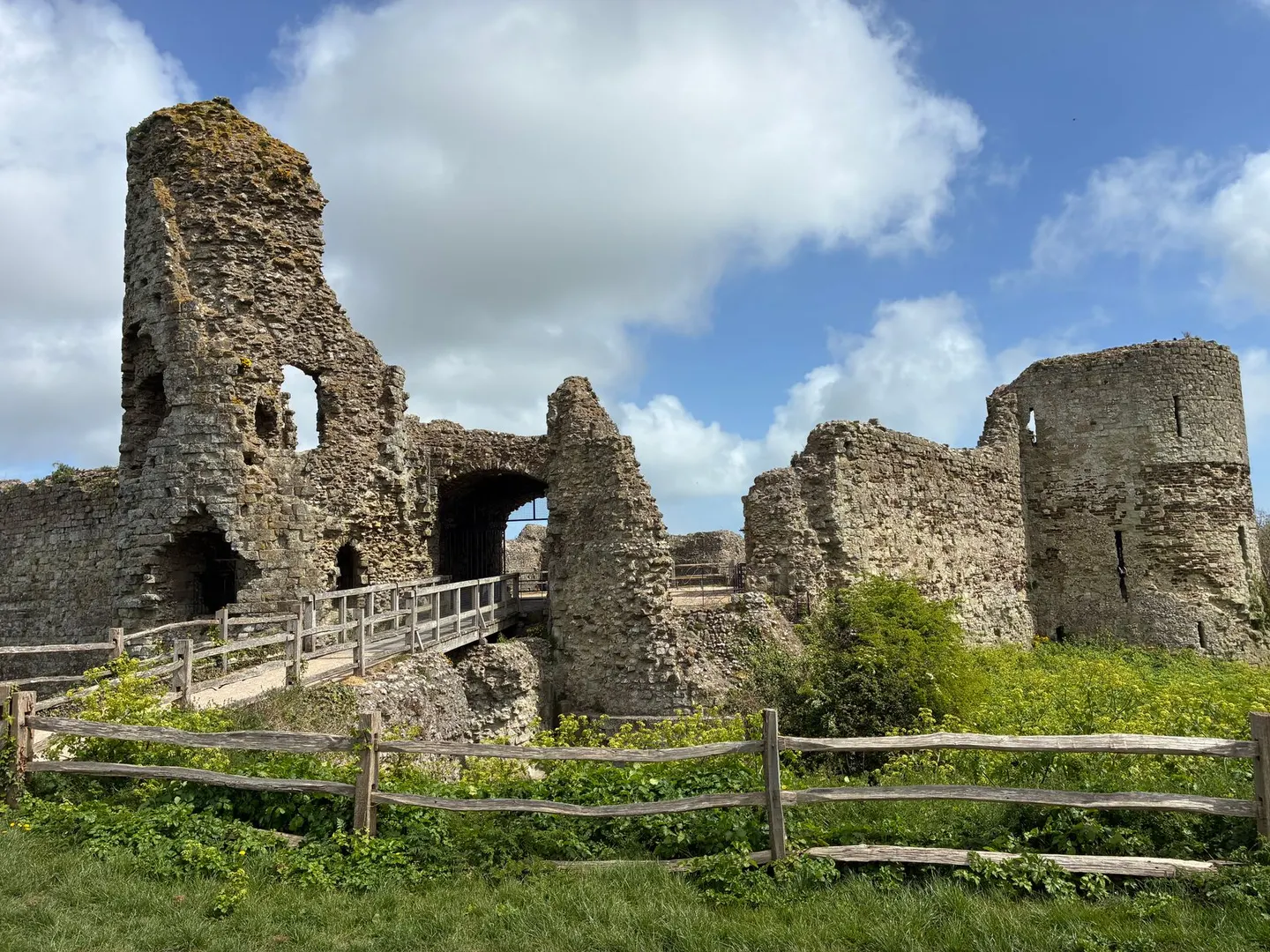
Rome got there first. Pevensey Castle began as a Roman fort, one of a chain built along the coast in the late third century against Saxon raiders, and the walls that survive today are largely those original Roman ones — thick enough that nothing built since has managed to flatten them completely. When William the Conqueror’s fleet landed nearby in 1066, his troops sheltered inside those walls before marching off to fight the Battle of Hastings, some miles down the coast.
A Norman keep and inner bailey rose within the old Roman enclosure not long after, and it was besieged more than once over the centuries that followed. The best-remembered episode is 1399, when Sir John Pelham left to join Henry Bolingbroke’s bid for the throne and left his wife holding Pevensey Castle behind him — Lady Pelham’s letter to her husband from inside the siege is one of the earliest surviving letters written in English by a woman.
By the time the sea had retreated and the marsh behind the castle had been drained into the farmland now known as Pevensey Levels, there was nothing left to guard, and the castle fell out of use. It got one more job nearly four centuries later: pillboxes were built into and around the ruins in the Second World War as part of the coastal defences against invasion, disguised, not always convincingly, as more ruins.
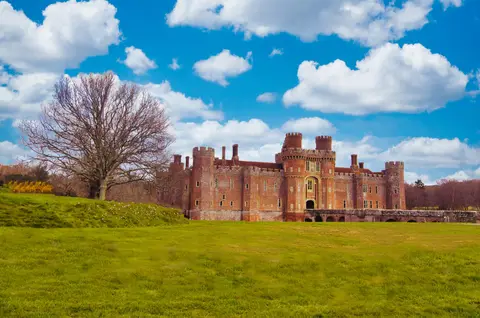
It’s now in English Heritage’s hands, open to explore, walls and towers included. Pevensey Bay is a short walk beyond it, and Herstmonceux Castle is close enough to make a day of both.
More at the National Heritage List entry