Edward I's last and most perfectly planned Welsh castle, a symmetrical ring of walls and towers on the Anglesey shore
Open to visitorsa Cadw site — check opening times and admission before you go
Substantial ruinsruined, but plenty survives above ground
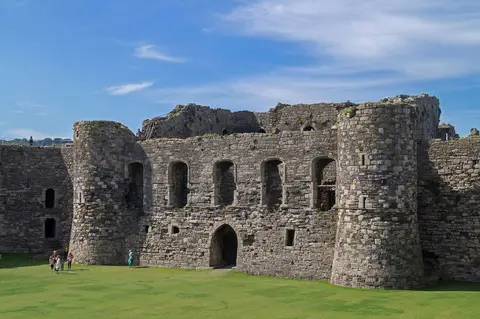
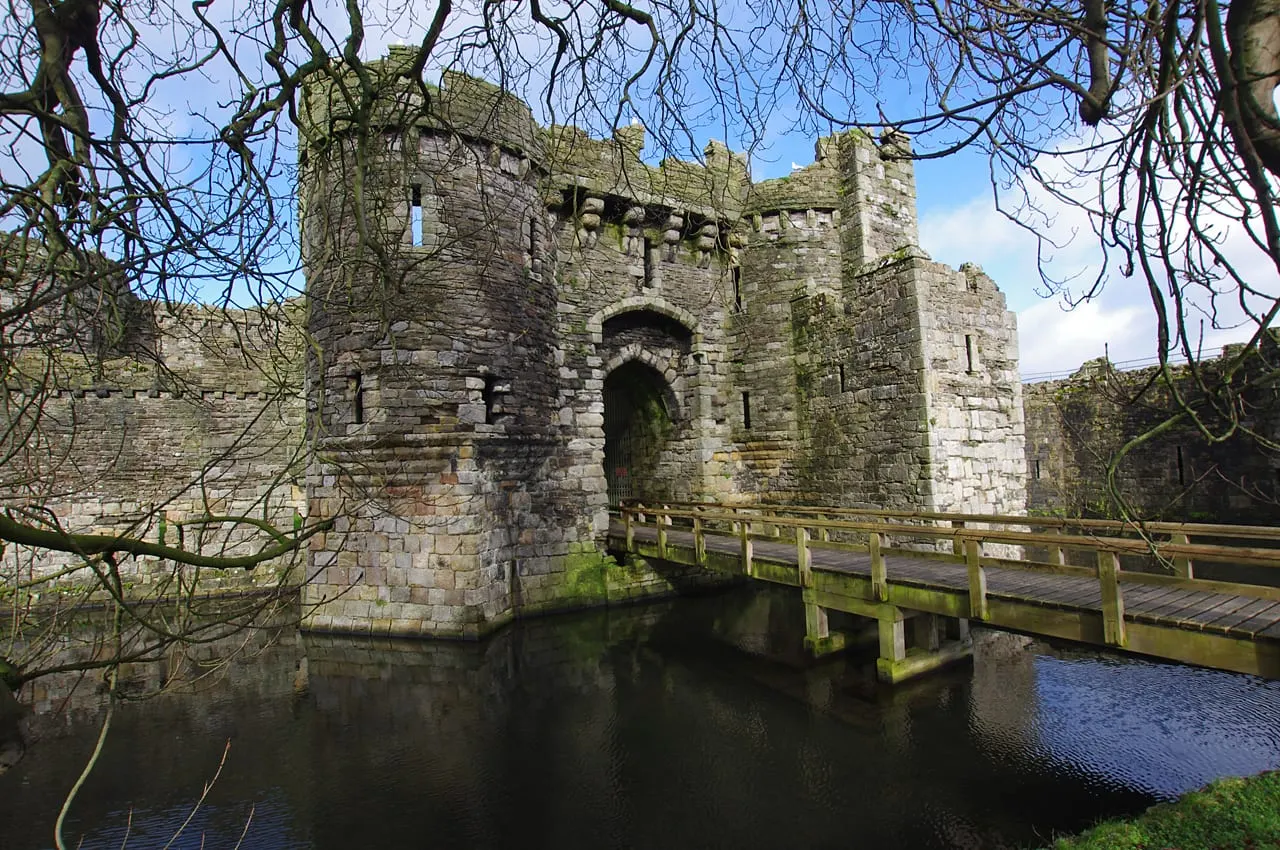
Beaumaris is the one people point to when they want to explain what a concentric castle is: lines of defence set one inside the other, so an attacker who got through the outer wall found a higher inner wall waiting behind it. Edward I began it in 1295, the last of the great castles he built to hold down Wales after his conquest, and the master mason James of St George laid it out with near-perfect symmetry, walls within walls and a moat around the outside. It was never actually finished, which is why the towers stop short of their full height, but the plan on the ground is as neat as castle design ever got.
Because it sits on flat, low ground by the sea rather than on a crag, you can walk right round the outside and take in the whole shape, something you rarely get with a hilltop castle. There was even a small dock so supply boats could come right up to the walls. It is looked after by Cadw and forms part of the World Heritage listing for Edward’s castles in the old kingdom of Gwynedd.
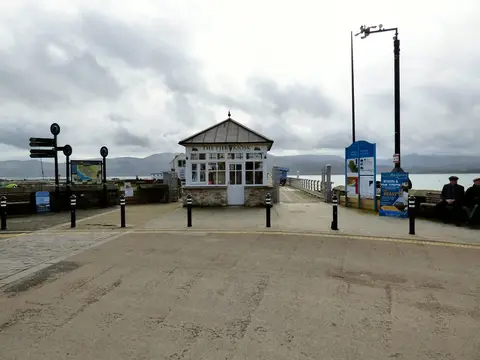
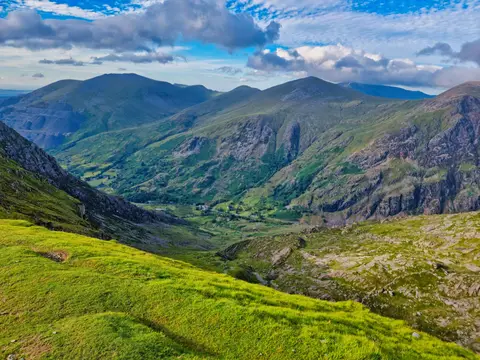
The castle sits at the edge of the small town of Beaumaris, with its Georgian frontages, pier and old gaol, so there is plenty to fill a day. The Wales Coast Path runs right past, and across the water the mountains of Eryri fill the skyline.