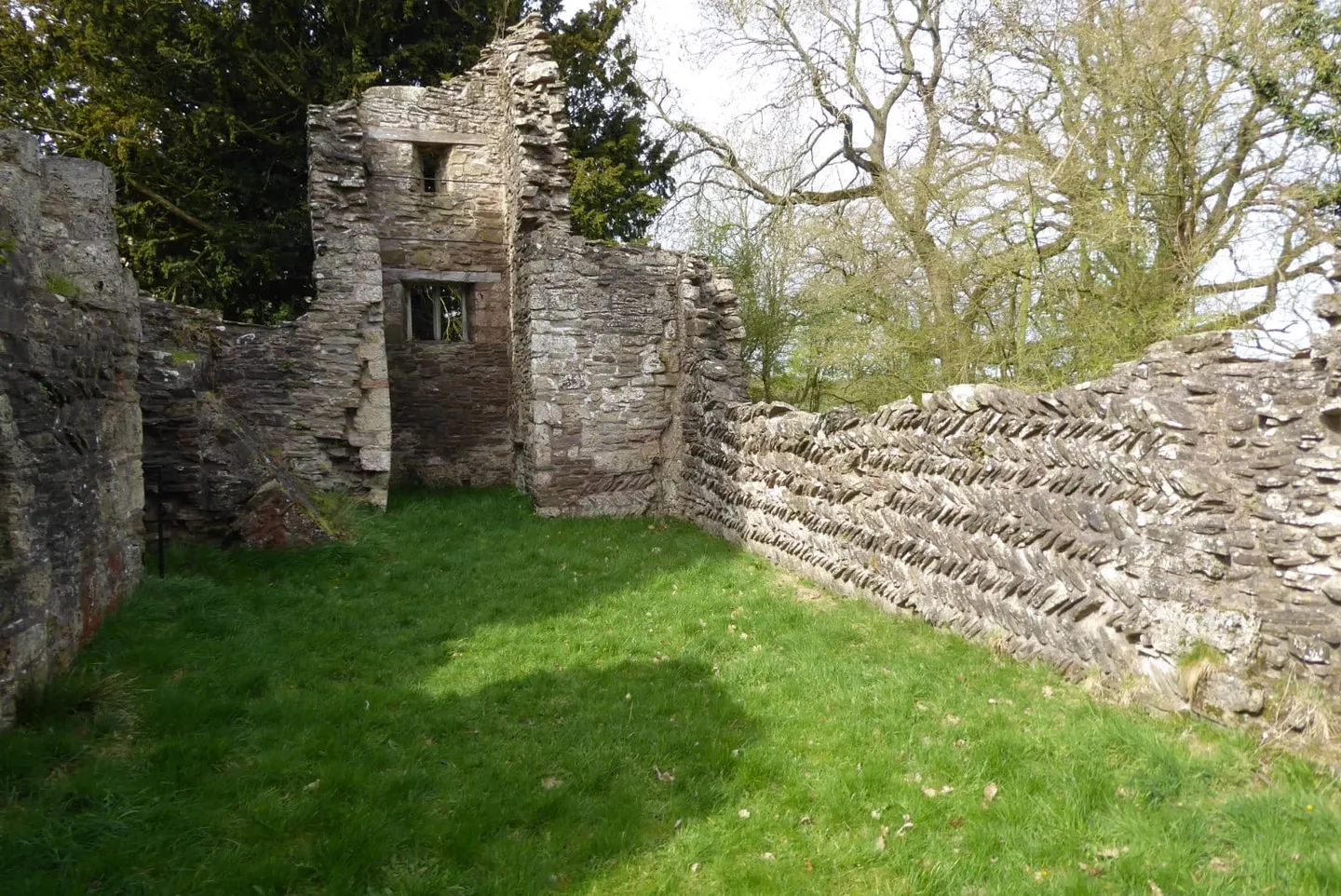
An 11th-century church without its roof, its walls laid in a herringbone pattern, standing within the earthwork remains of a Norman castle
Open to visitorsan English Heritage site — check opening times and admission before you go
Substantial ruinsruined, but plenty survives above ground
Herringbone masonry, small stones laid in a diagonal zigzag rather than flat rows, decorates two of the walls here, a technique found in some of the earliest Norman parish churches in this region. The church stands within the bailey, a walled yard that was once part of a Norman castle; the earth mound called the motte still rises just to the west. Dating the building precisely has proved difficult, and historians call it Norman or Saxo-Norman work, meaning it could date from soon after the Norman Conquest of 1066, on the site of an earlier Anglo-Saxon chapel.
Builders put up a tower at the west end in the 16th century, and rebuilt parts of the east end back in the 12th. The building kept its roof and its congregation until the 1860s. That decade the parish built a new church right beside it and this one was left to decay.
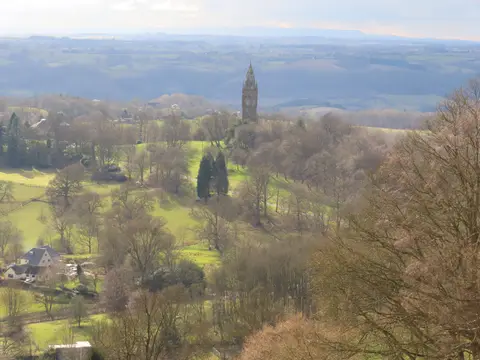
The remains stand in the new churchyard, with the ditch that once ringed the bailey now just a shallow dip in the pasture nearby. The inside of the ruin is closed for conservation and safety work, but the outside can be seen from the new churchyard in daylight. The ruins are a couple of miles from Bromyard, and the Malvern Hills rise a few miles to the south-east.