Pocklington Canal
Nine and a half quiet miles through the Vale of York, from Canal Head near Pocklington down to the River Derwent
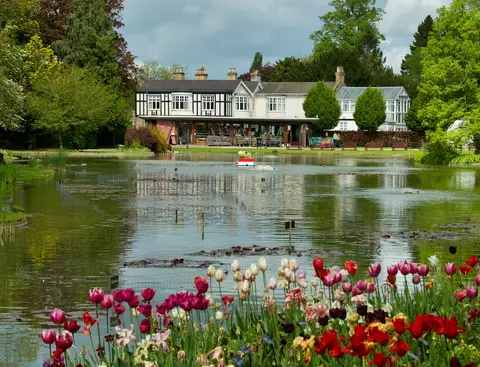
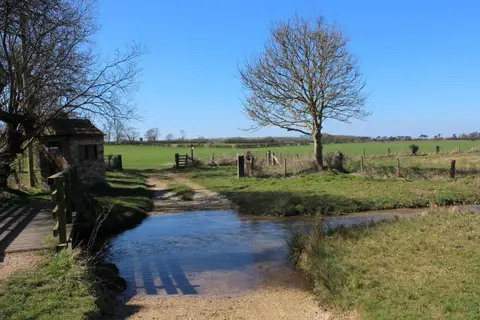
The Pocklington Canal runs for nine and a half miles across the flat farmland of the Vale of York, from Canal Head just short of Pocklington down through nine broad locks to meet the River Derwent near East Cottingwith. It is a slow, level, rural canal, and its towpath makes an easy walk with wide skies and little in the way of gradient.
It opened in 1818, designed by George Leather to carry farm produce, coal and lime between the East Riding and the markets to the south and west. Like many small canals it was bought up by a railway company — the York & North Midlands took it over in 1848 — and it faded, closing to traffic in the 1930s and falling derelict. From 1969 the Pocklington Canal Amenity Society set about restoring it, and boats can now reach up from the Derwent as far as the Bielby Arm, with the bicentenary in 2018 marked by two more miles being reopened.
What sets this canal apart is its wildlife. Most of its length is protected as a Site of Special Scientific Interest, and the lower reaches lie within the Lower Derwent Valley National Nature Reserve, some of the finest wet grassland in England. Otters and water voles use the banks, kingfishers and herons work the water, and the surface is crowded with dragonflies in summer. The unrestored upper sections, left quiet, are richest of all.
There is no railway alongside, so the canal is reached by road, most easily from Pocklington or the villages along the way. It is looked after by the Canal & River Trust, and best taken slowly.