Loch Ness
National iconThe long, peat-dark loch of the Great Glen, holding more fresh water than any other lake in Britain and home to its most famous legend
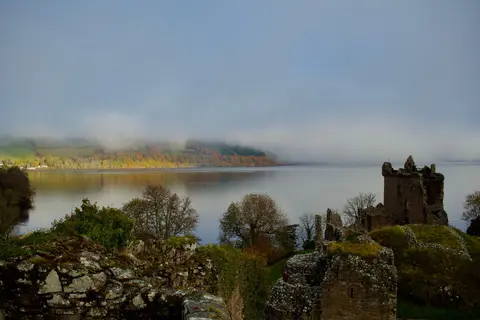
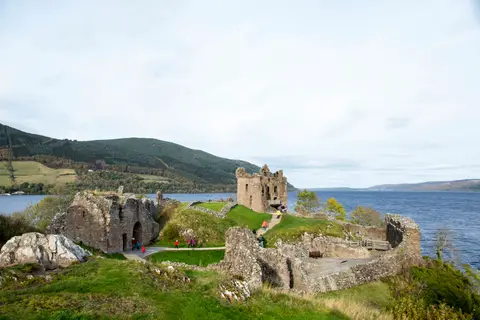
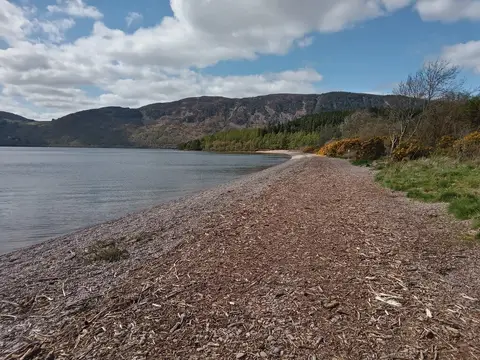
Loch Ness is the great dark slot of water running north-east down the Great Glen for about 23 miles. It is not the deepest loch in Scotland, but it is the largest by volume, holding more fresh water than all the lakes of England and Wales put together, its depth and its peaty bottom giving it that near-black colour. On a bluff above the western shore stand the ruins of Urquhart Castle, one of the biggest medieval castles in Scotland and the busiest spot on the loch.
Then there is the monster. Reports of something large in the water go back a long way, but the modern story took off in the 1930s, when a new lochside road opened up the shore and a handful of photographs made the papers. Nessie has been drawing visitors ever since, most of them to the exhibitions and boat trips at Drumnadrochit near the castle.
The A82 runs the full length of the north-western shore, so it is easy to drive or cycle, and the Great Glen Way walking route follows the hillside above it. The Caledonian Canal links the loch to the sea at both ends, and you can take a boat out from Fort Augustus or Inverness. There is not much here in the way of beaches or swimming; it is a cold, deep loch, best enjoyed from the shore or the deck of a boat.