A Capability Brown landscape known for blazing autumn colour, planted up by an Edwardian plant collector, with a steam railway at the gate
Open to visitorsa National Trust place — check opening times and admission before you go
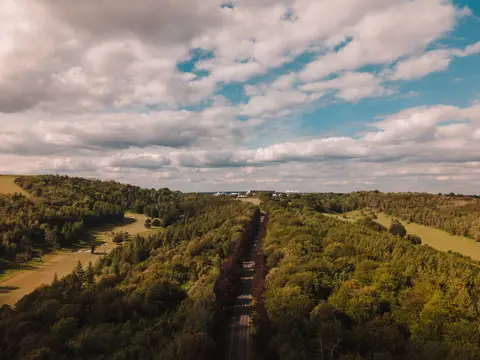
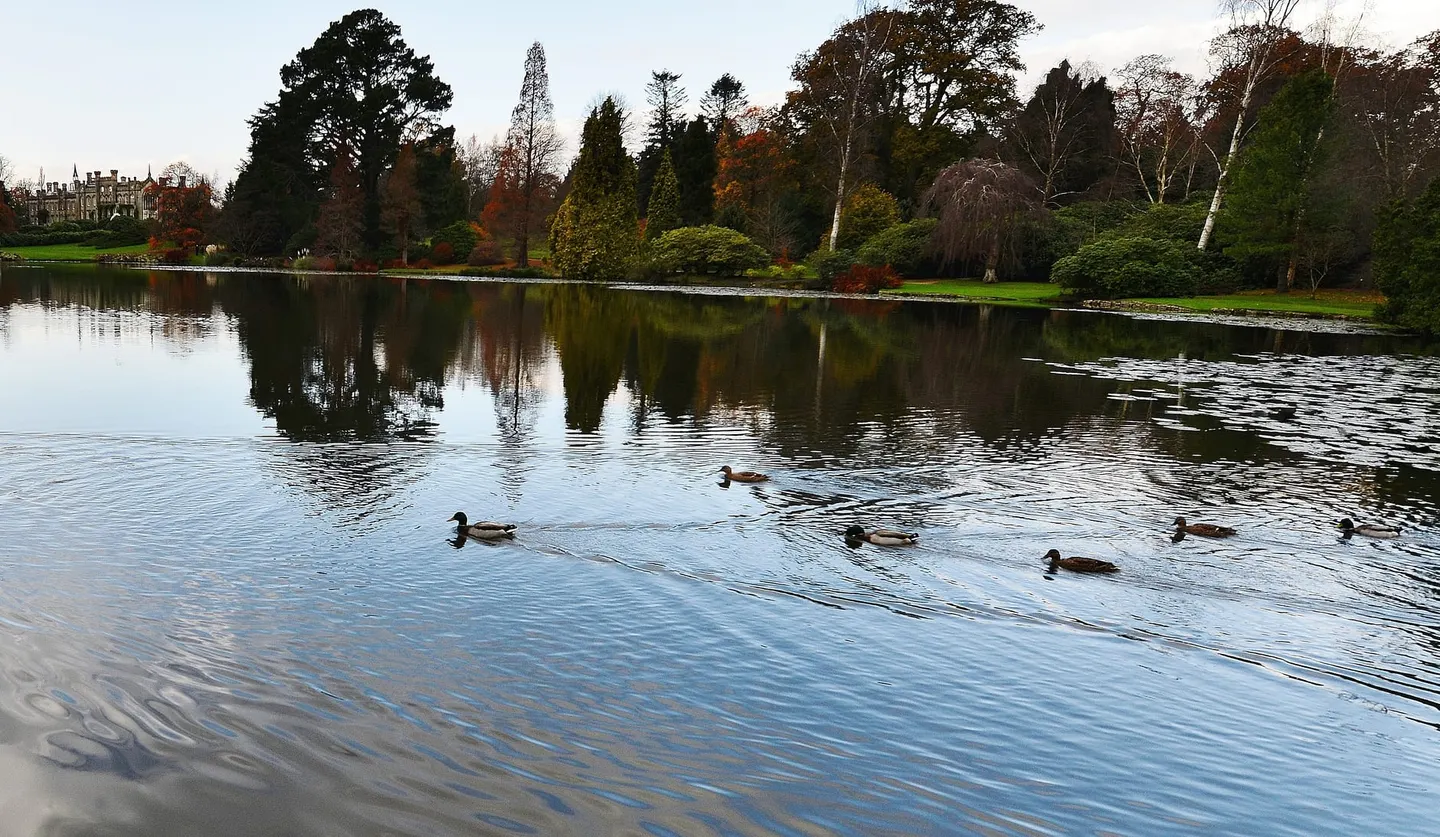
Capability Brown had a hand in the lakes here in the 1770s, but most of what visitors see today came later, courtesy of a plant-obsessed Edwardian called Arthur Soames, who bought the place in 1909 and spent the next 25 years, until his death in 1934, filling its 200-odd hectares with anything unusual he could get hold of. He drew on plant hunters’ introductions from as far as North America and the Himalayas, which is part of why the colour holds on so late into autumn. Four lakes, linked by cascades, run down through the park, and the trees around them, swamp cypress, tupelos, Japanese maples among them, turn the whole place into one of the best autumn-colour spots in the South East, which is why so many people plan their visits around it.
There’s an odd bit of sporting history tangled up in the estate too. The Earl of Sheffield who once owned it sponsored some of the earliest English cricket tours to Australia, and Australian domestic cricket still plays for a trophy named after him, the Sheffield Shield.
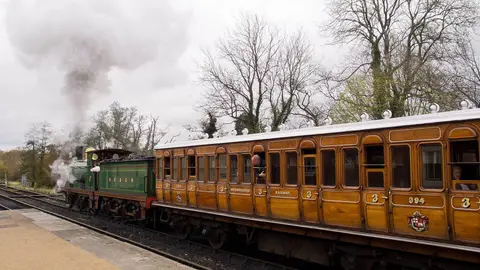
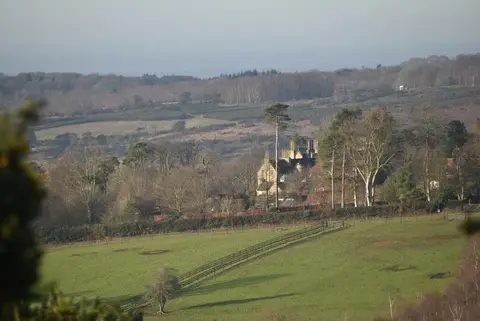
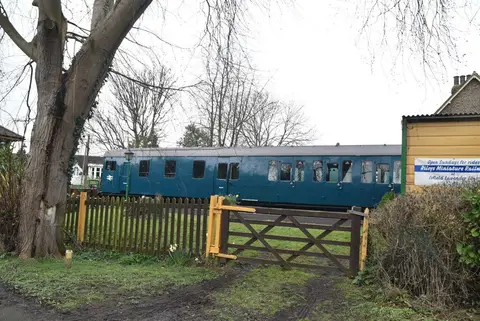
These days Sheffield Park and Garden is run by the National Trust, and the Bluebell Railway’s southern terminus sits right at the entrance, so you can arrive by steam train as a genuine alternative to the car park. Ashdown Forest and Borde Hill are both near enough to see on the same day, and the whole estate sits inside the High Weald.