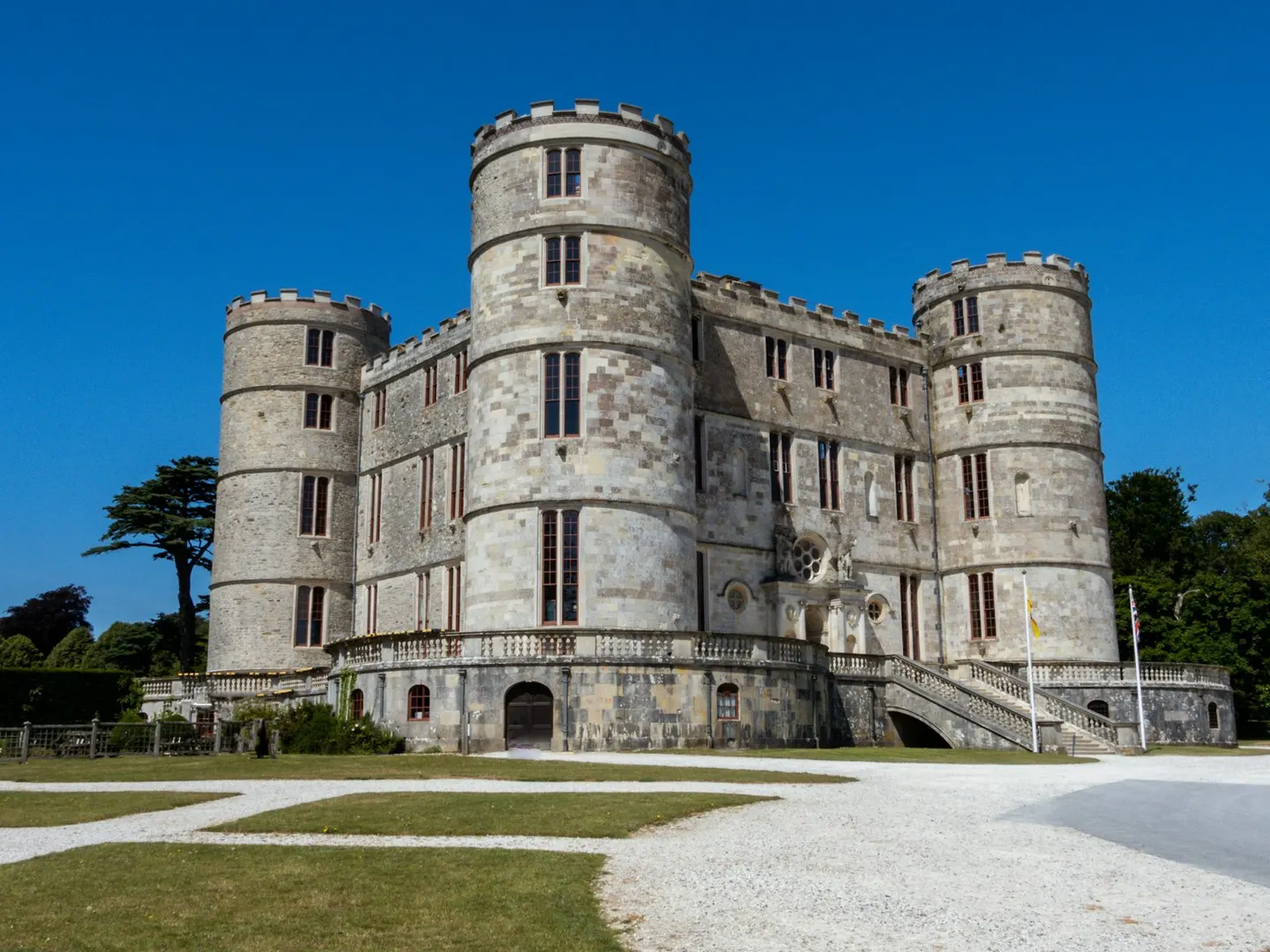
A 17th-century mock castle built as a grand hunting lodge, gutted by fire and now an open shell in the Dorset parkland
Open to visitorsan English Heritage site — check opening times and admission before you go
Substantial ruinsruined, but plenty survives above ground
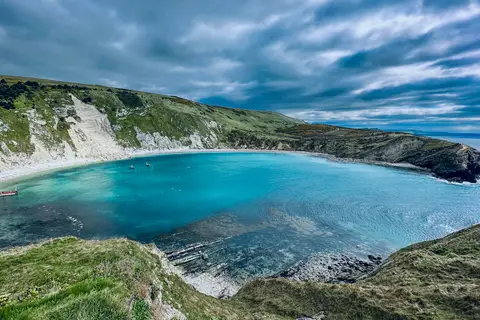
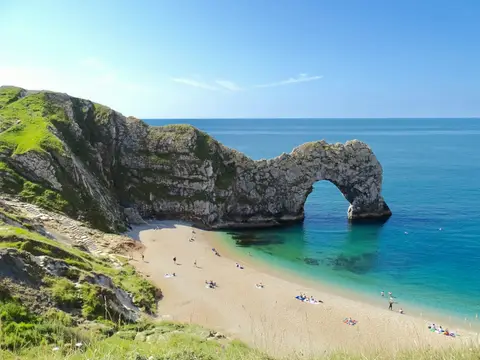
For all the four round corner towers, Lulworth was never built to be defended. It went up in the early 1600s as a hunting lodge in the shape of a castle, a fashion among wealthy Jacobean landowners, and became the country seat of the Weld family, one of England’s leading Catholic households. A fire tore through the building in 1929 and left it a burnt-out shell for decades. English Heritage and the Lulworth Estate later stabilised and part-restored it, so today you can walk the grounds and climb through the rebuilt tower for the view. In the park stands a domed chapel of 1786, one of the first free-standing Catholic churches built in England after the Reformation. The estate still runs the site. It sits just inland from the Jurassic Coast, a short drive from Lulworth Cove and Durdle Door, with the South West Coast Path and the lost village of Tyneham close by.
More at the National Heritage List entry