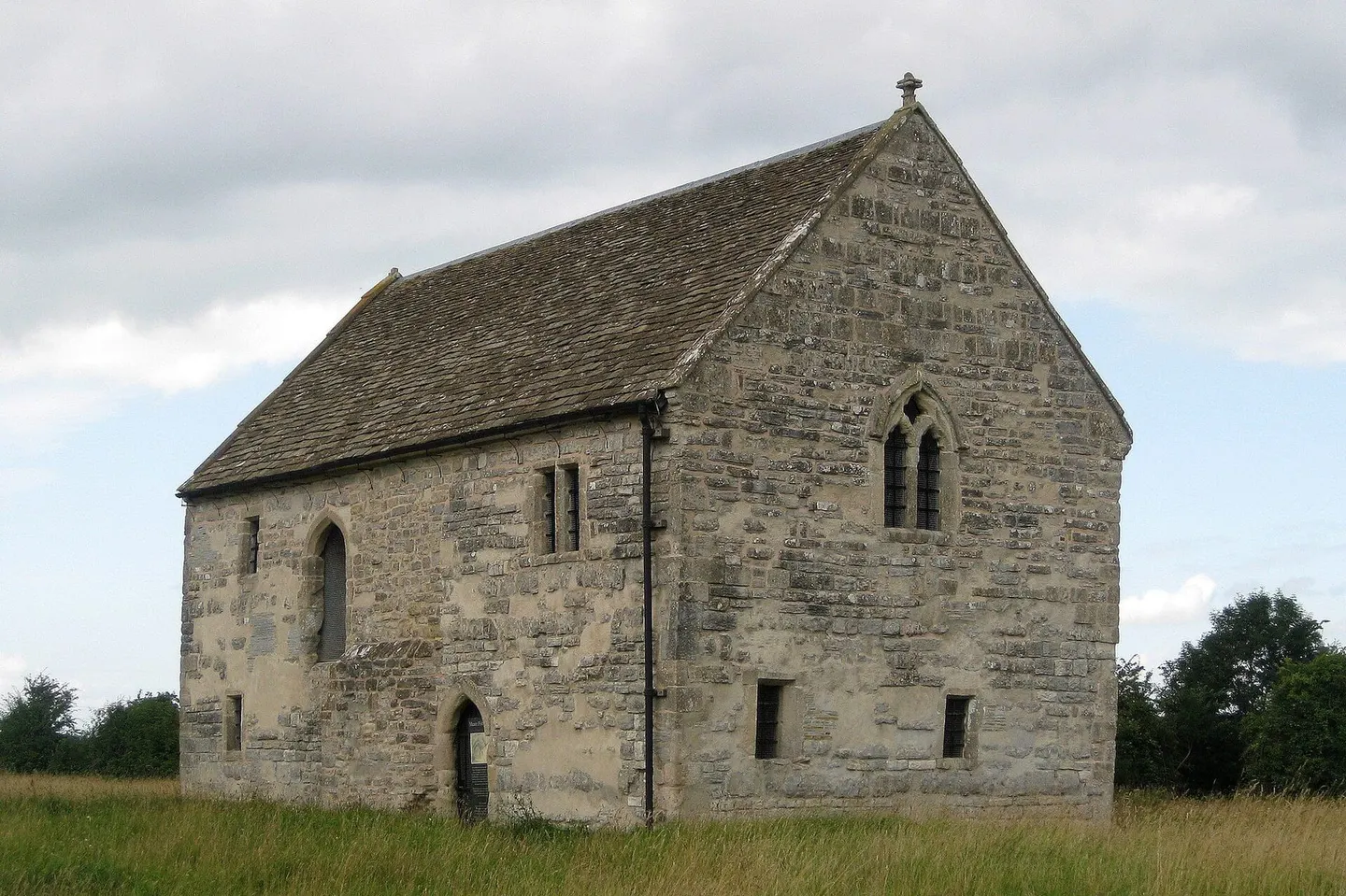
A small stone house built for Glastonbury Abbey's fishery on the site of a lake that no longer exists
Open accessfree to visit at any reasonable time
Glastonbury Abbey’s fishery once drew its catch from Meare Pool, a lake that disappeared centuries ago, and this small two-storey stone house, built in the 1330s, was home to the official who ran it. It wasn’t actually built for processing fish, whatever the name implies. Its ground floor holds a hall and parlour alongside rooms for everyday chores, with two more rooms upstairs, laid out much like any ordinary small house of the period.
Freshwater fish were rare and prized in a monastery’s kitchen, since most fish eaten was sea fish, salted and brought a long way inland, and Glastonbury’s monks valued Meare Pool’s pike, tench and eels enough to spend years in dispute with Wells Cathedral’s clergy over who had the right to fish it. The lake itself, once well over a square mile of the Somerset Levels, was drained gradually between the late 1500s and 1718, and had vanished from maps by the mid-1700s.
After Glastonbury Abbey was seized by the crown in 1539 the fish house was put to ordinary farm use, badly damaged by a fire during the 1880s, and finally taken into state care in 1911, the fourth medieval building in the country to be given that protection. Free to visit any time, it stands alone in a meadow beside the River Brue, a short trip from Glastonbury and the Glastonbury Tribunal, with Wells Cathedral visible in the distance on a clear day.