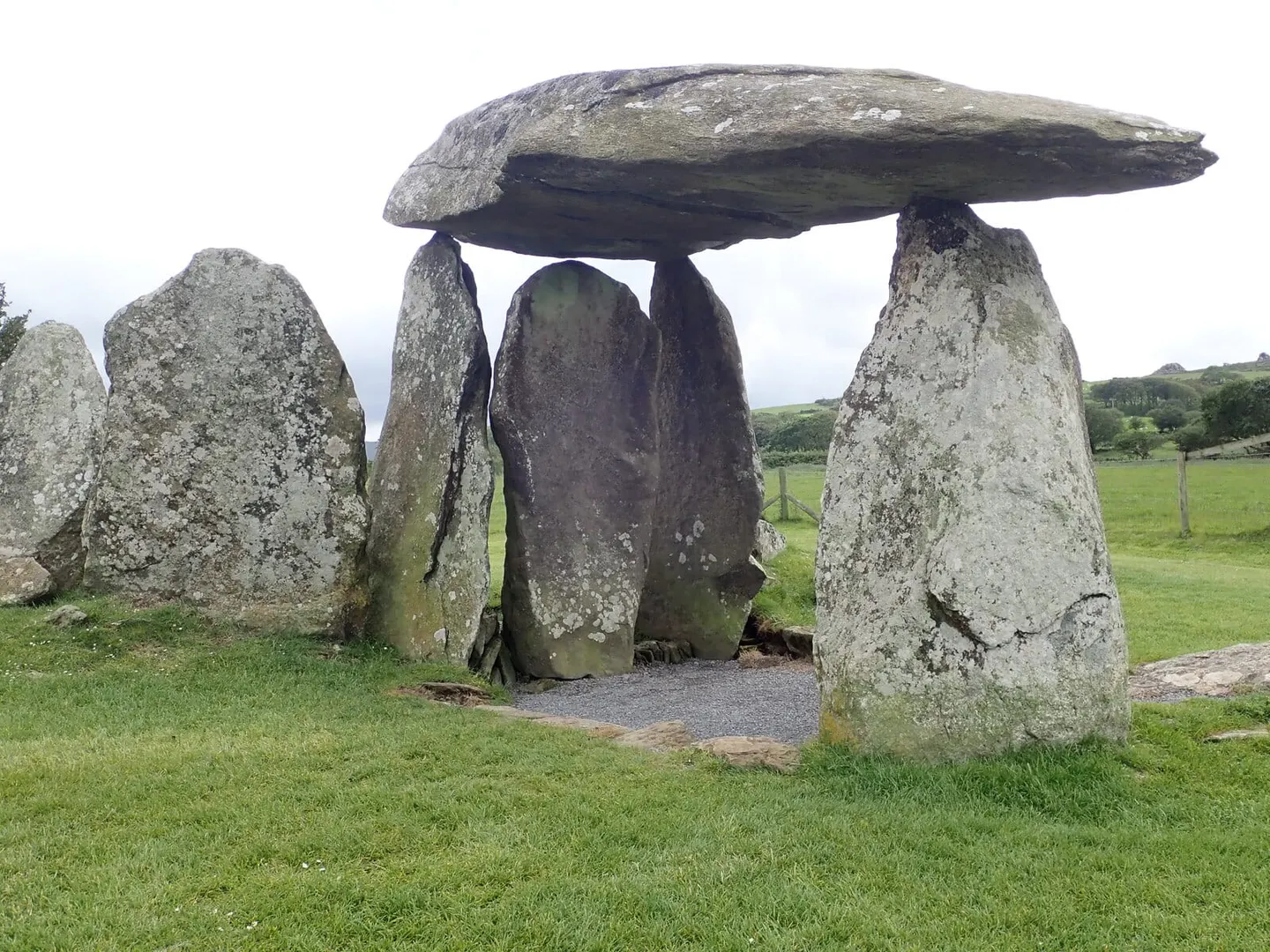
The great capstone of Wales's best-known Neolithic tomb, balanced on tall thin uprights on a quiet Pembrokeshire hillside
Open to visitorsa Cadw site, free to enter — check opening times before you go
Standing remainssubstantial fabric survives to stand in front of
Pentre Ifan is the best-known prehistoric tomb in Wales, and once you see it you understand why: a single enormous capstone, the flat top slab weighing something like sixteen tonnes, held up on the tips of three tall, thin standing stones so that it looks as if it is floating. It’s a chambered tomb, meaning a Neolithic burial chamber, and it went up around five and a half thousand years ago, making it far older than Stonehenge.
What survives is the stone skeleton. Originally the chamber sat at one end of a long earth mound, now weathered away, and the tomb would have held the bones of the dead. It’s not clear how Neolithic people raised a slab that size onto such slender points and left it so finely balanced.
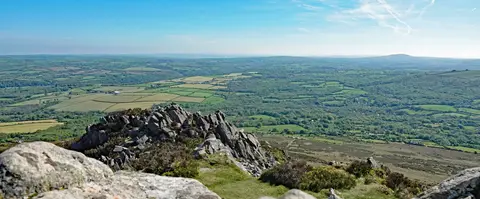
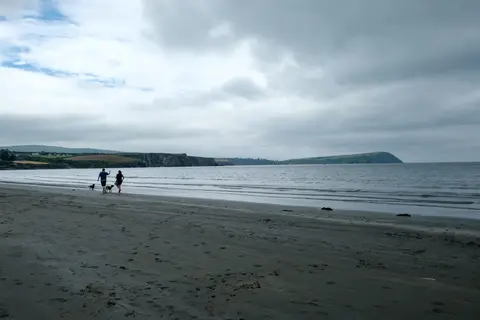
The tomb sits in the Preseli Hills, the same hills the bluestones at Stonehenge came from, in quiet farmland with wide views out towards the coast. Cadw looks after it and entry is free. You reach it down narrow lanes, with a small car park and a short walk across a field, so it’s usually calm even when the coast is packed. Nevern and its old church are close by, and the rocky hilltop of Carn Ingli rises just to the west if you fancy a proper walk.