An extraordinary cross-shaped setting of ancient standing stones on the Isle of Lewis, older than the pyramids and far quieter than Stonehenge
Open to visitorsa Historic Environment Scotland site — many are free to wander; staffed ones charge and keep set hours
Standing remainssubstantial fabric survives to stand in front of
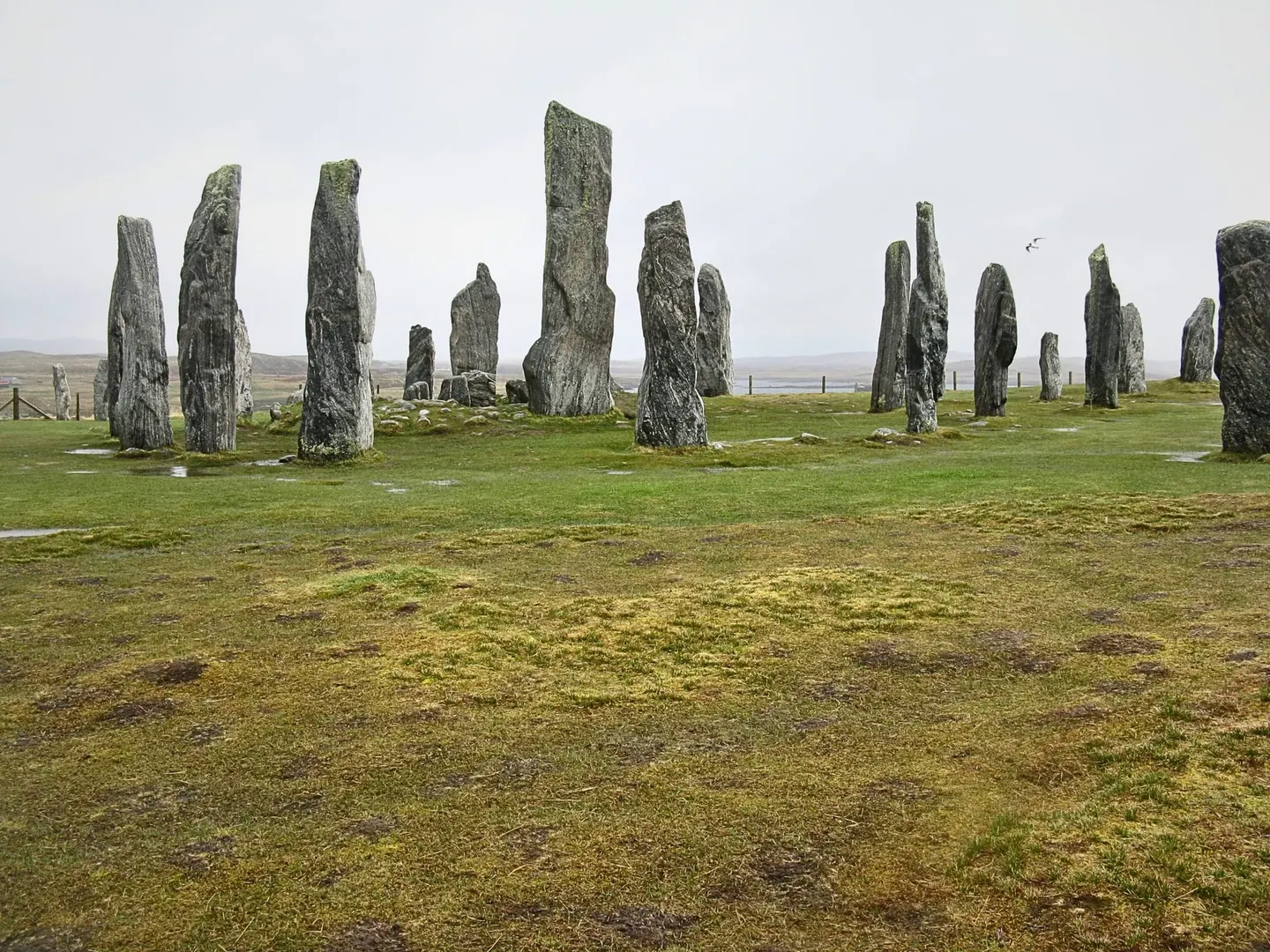
Out on the west coast of the Isle of Lewis, in the Outer Hebrides, people of the late Stone Age raised a cross-shaped setting of tall stones known today as Calanais (Callanish in English). Farmers put them up around 5,000 years ago, well before the pyramids of Egypt: a ring of thirteen stones with a taller pillar in the middle, and rows of more stones running out from the circle like the arms of a cross. The stone is Lewisian gneiss, some of the oldest rock in the world, streaked and silvery. Later, people added a small chambered cairn inside the ring — a burial tomb built of stone slabs with a room, or chamber, inside.
Nobody wrote down what Calanais was for, and archaeologists still argue about it; the layout seems tied to the movements of the moon and sun, but the details are debated. What isn’t in doubt is the effect of standing among the stones with the loch and the hills behind them.
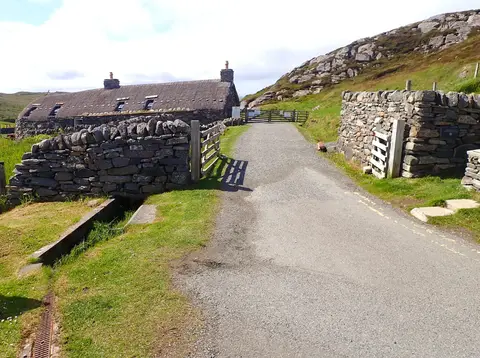
Historic Environment Scotland cares for the site, and it is free and open all year, with a visitor centre and café nearby, an easy and level walk from the car park. While you are on this stretch of Lewis, the smaller circle at Cnoc Fillibhir Bheag is close by, and it is worth carrying on to Dun Carloway, one of Scotland’s best-preserved brochs (a tall, round Iron Age tower), and the restored Gearrannan Blackhouse Village on the coast.