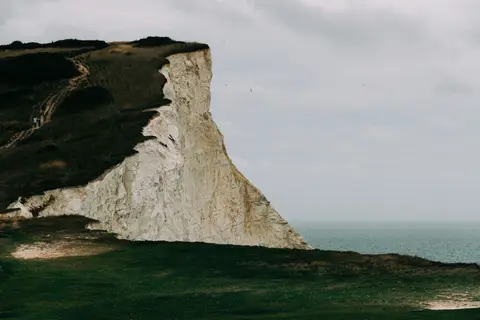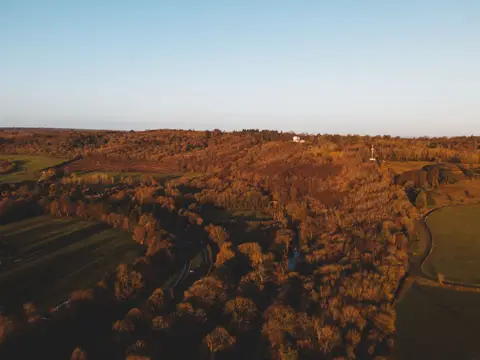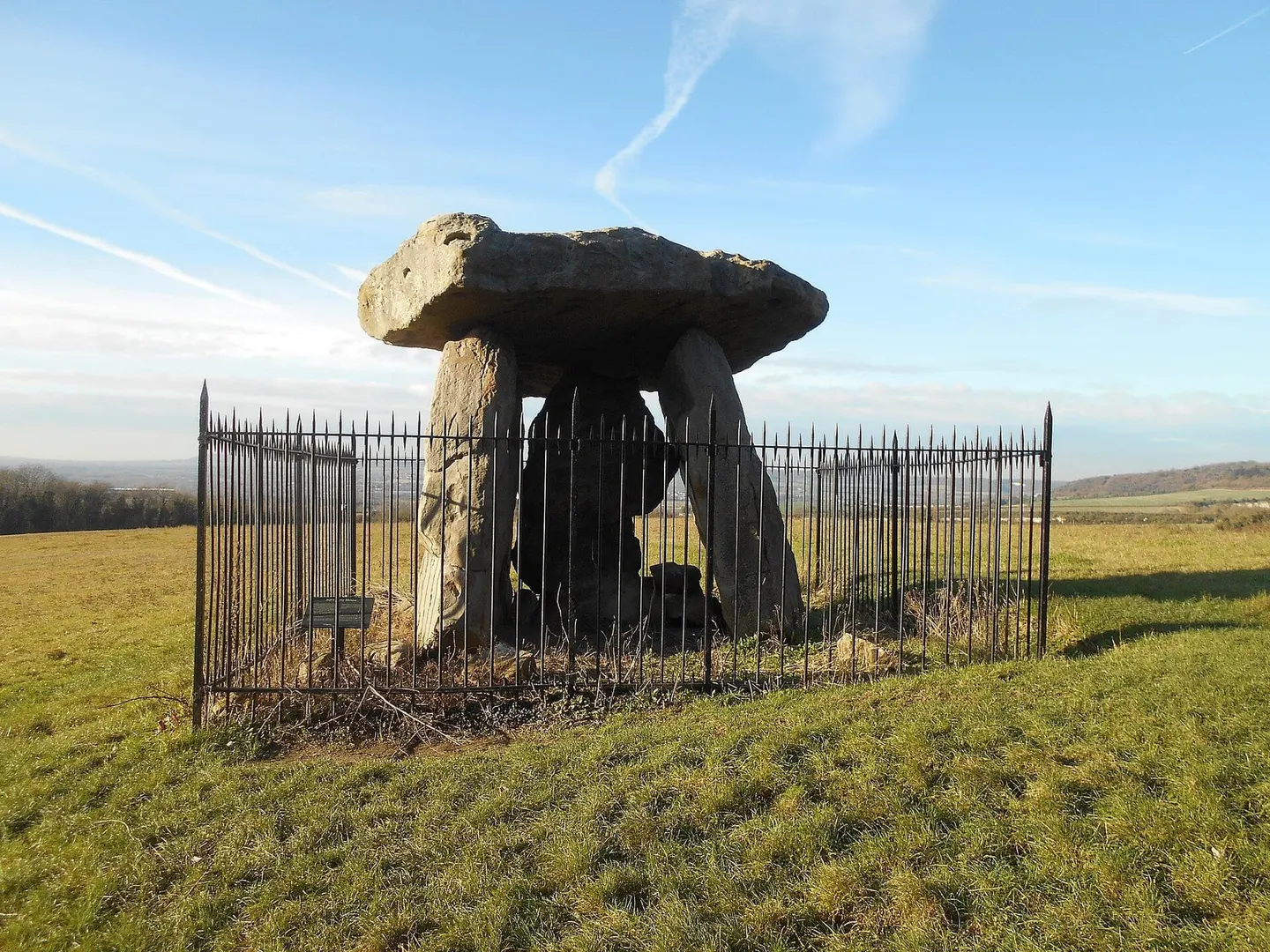
Three upright sarsens topped by a massive capstone on the North Downs above the Medway, the remains of a tomb built 6,000 years ago
Open accessfree to visit at any reasonable time
Standing remainssubstantial fabric survives to stand in front of
Three standing stones, arranged in a rough H shape, hold up the huge sloping capstone at Kit’s Coty House, all that survives of a burial chamber built by some of Britain’s earliest farming communities roughly 6,000 years ago, part of a cluster of similar tombs along the River Medway that archaeologists call the Medway Megaliths. The capstone is sarsen, a hard sandstone also used for the biggest stones raised at Stonehenge; the chamber was originally covered by a long earth mound, since ploughed almost flat.
About 450 metres away is a smaller companion, Little Kit’s Coty House, now just a jumbled heap of some twenty sarsens, known these days as the Countless Stones. It was originally a similar burial chamber until it was pulled apart around 1690, and it’s unclear whether it ever had a mound like Kit’s Coty.
The antiquarian William Lambarde first wrote down the story in 1585 that connects the name to Catigern, a British prince said to have died fighting the Anglo-Saxons at the nearby Battle of Aylesford in 455 — more than four thousand years after the tomb was actually built. In 1885, troubled by vandalism and fires lit inside the chamber, the archaeologist Augustus Pitt Rivers got Kit’s Coty House listed among Britain’s earliest legally protected monuments, and paid for the iron railings that still surround it. There’s nothing to book and no charge at either site; the North Downs Way runs right past, and Boxley Abbey is a couple of miles southeast.