Miles of brick-lined ditches and two forts dug into the hill above Dover, built against an invasion that never came
Open accessfree to visit at any reasonable time
Substantial ruinsruined, but plenty survives above ground
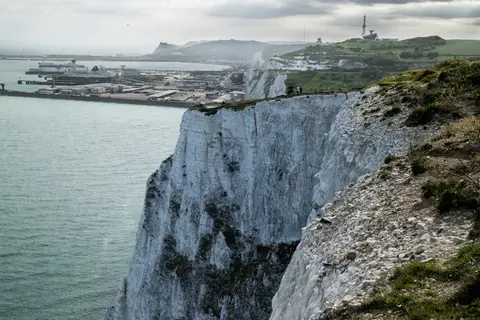
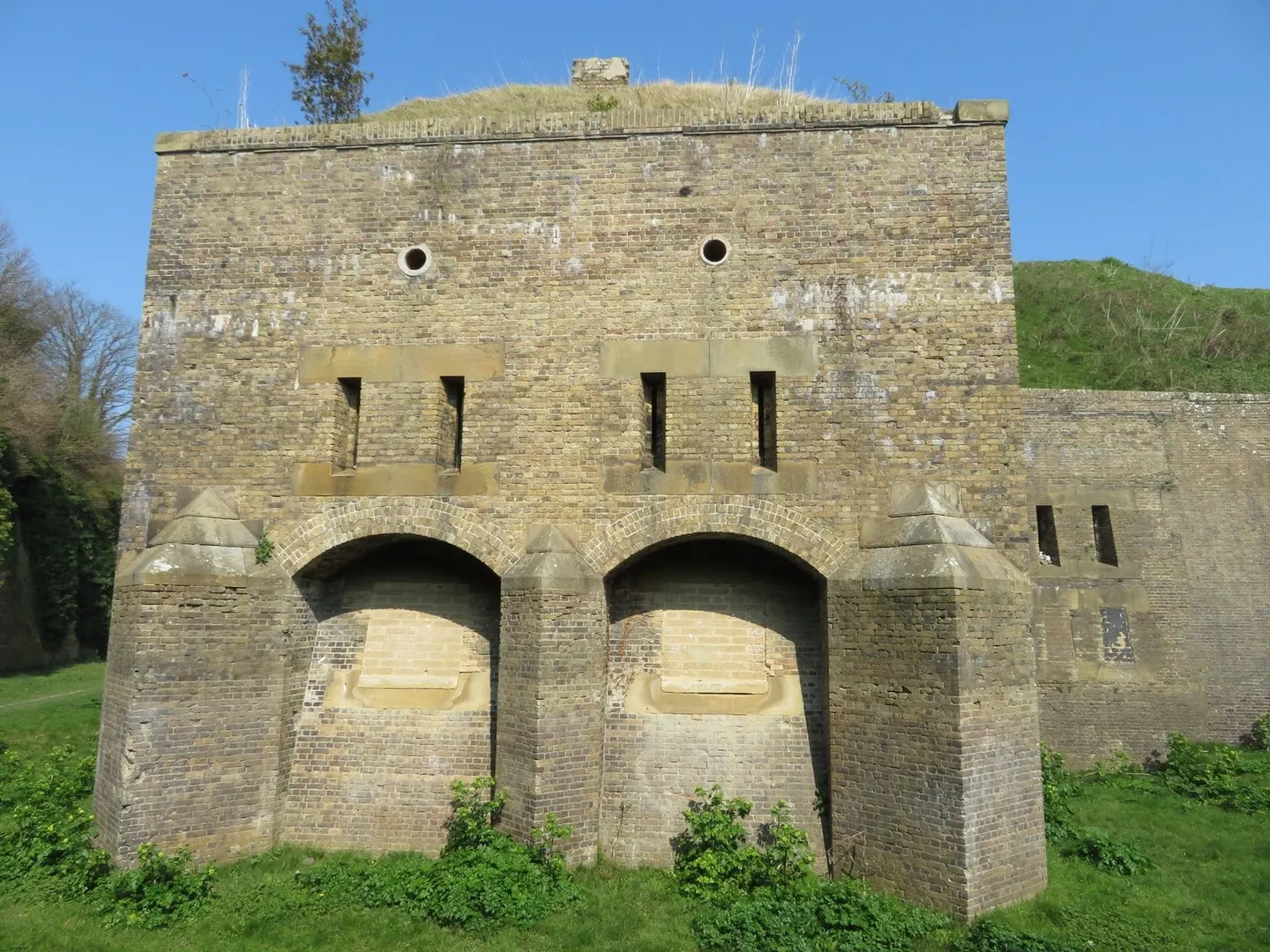
Above Dover, cut deep into the chalk hillside, runs a set of Napoleonic-era defences most visitors to the town never see. A detached fort called the Drop Redoubt, named for the sheer drop cut into the chalk around it, and the Citadel make up the defences’ two strongpoints, linked by lines of brick-faced ditches that reach as much as 15 metres deep in places. Plans to fortify these heights were drawn up in 1778, when Britain feared a French landing, but most of what survives today took shape from 1804 until 1815, when Britain and France were still at war under Napoleon. The defences were enlarged again in the 1860s, during a fresh invasion scare over Napoleon III’s France, and the site was used as barracks in both world wars before the army left in stages during the 1950s and early 1960s.
English Heritage cares for the Drop Redoubt, but everyday access depends on local volunteers rather than site staff. The footpaths around these ditches stay open for anyone to walk, though the fort itself only opens on occasional volunteer-led days. The more famous Dover Castle is a short walk northeast, and it’s an easy walk down to Dover Priory Station too.