The great cliff-top fortress guarding the shortest crossing to France, with a Roman lighthouse and secret wartime tunnels
Open to visitorsan English Heritage site — check opening times and admission before you go
Substantial ruinsruined, but plenty survives above ground
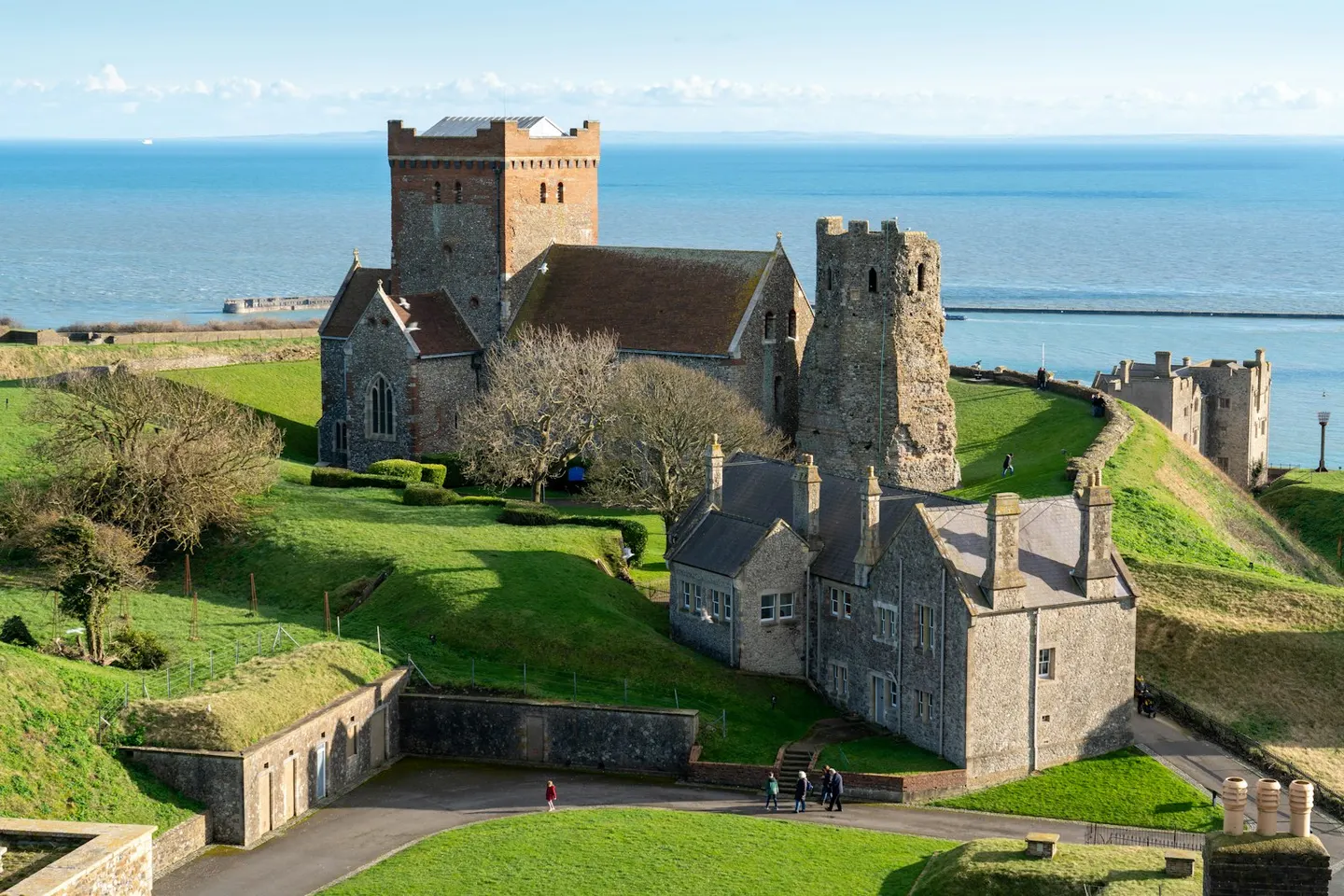
Dover Castle has guarded the narrowest part of the Channel for so long that it was given the nickname “the key to England”. It is one of the largest castles in the country, spread over the cliffs above the port, and its great stone keep, the huge central tower, was built by Henry II in the 1180s. Inside the walls you will also find two much older buildings standing side by side: a Roman lighthouse, or pharos, one of the best-preserved Roman structures left in Britain, and an Anglo-Saxon church beside it.
The other reason people come is underground. A network of tunnels was dug into the chalk, first during the Napoleonic wars and then greatly extended in the Second World War, and it was from here that the Dunkirk evacuation of 1940 was directed. You can go down into them on a tour, which is the highlight for a lot of visitors. English Heritage runs the castle, and it is a big site, so give it most of a day.
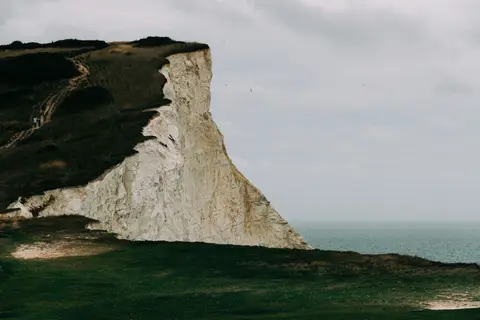
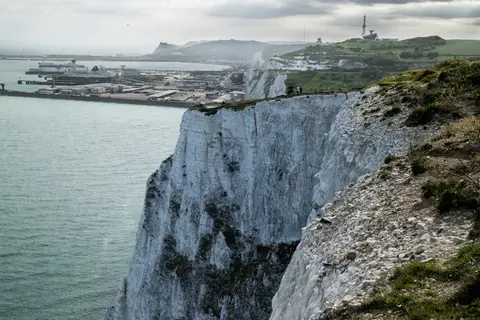
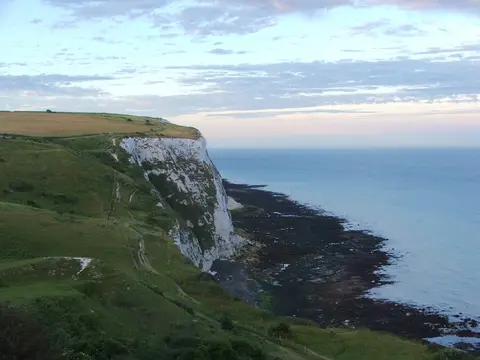
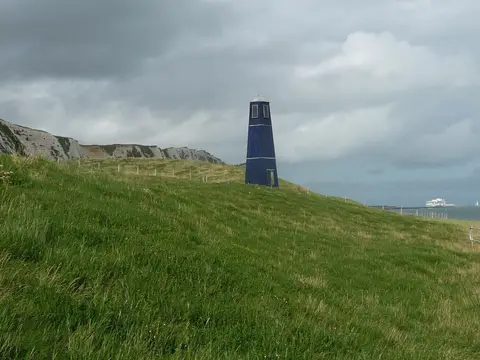
The setting is spectacular, with the White Cliffs of Dover in the east and the North Downs Way (which ends here) offering a fine walk along the clifftops.
More at the National Heritage List entry