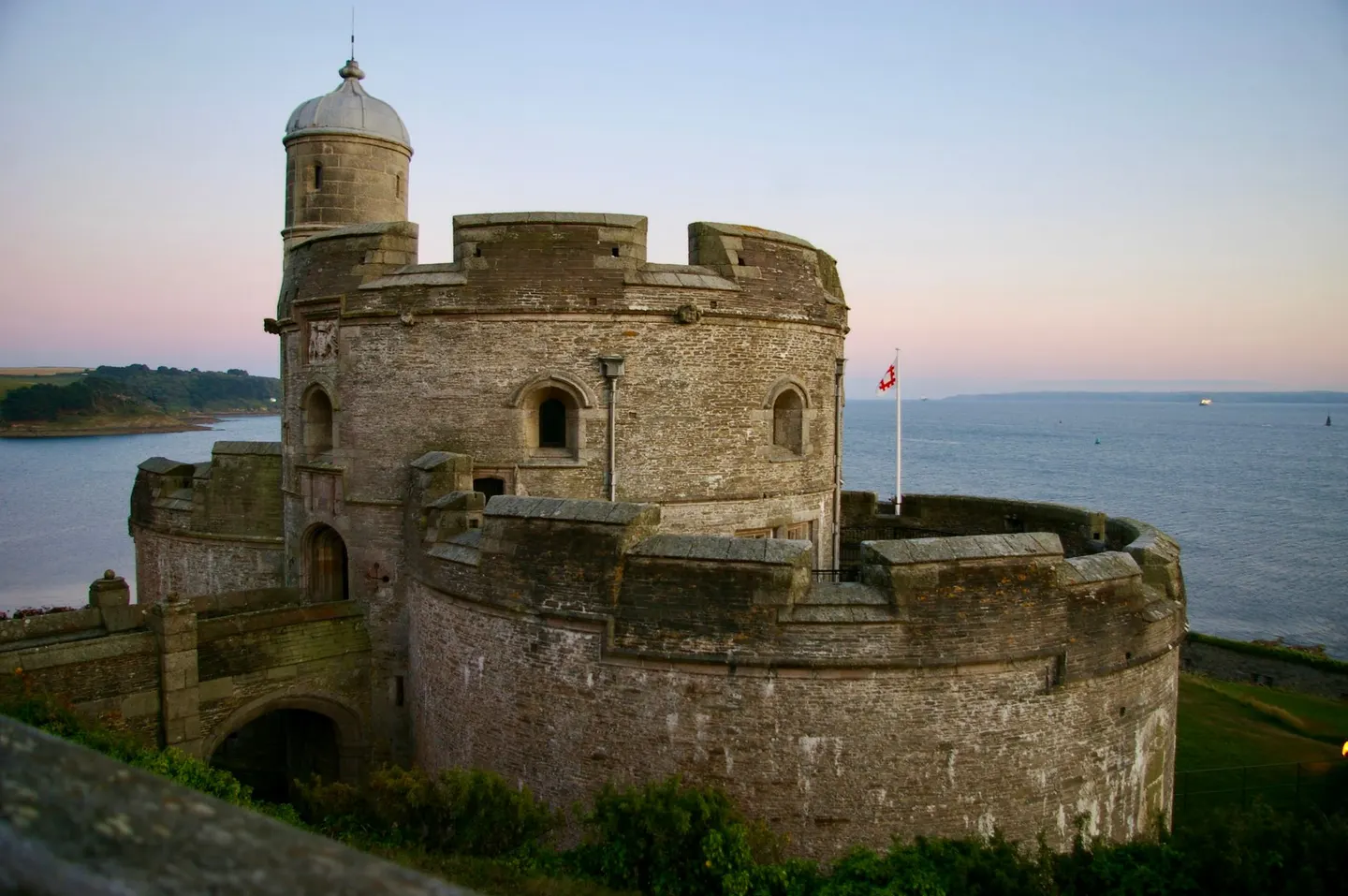
Henry VIII's round artillery fort on the Falmouth headland that held out for Charles I through a five-month siege
Open to visitorsan English Heritage site — check opening times and admission before you go
Substantial ruinsruined, but plenty survives above ground
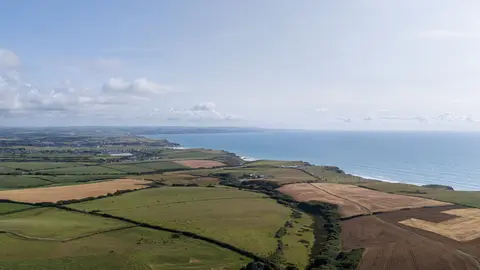
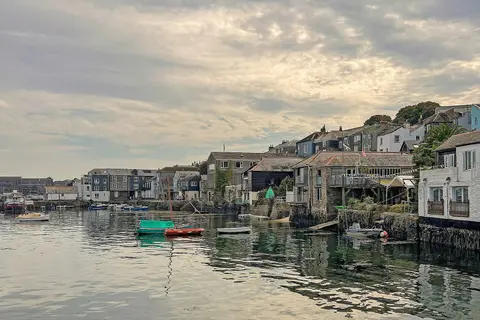
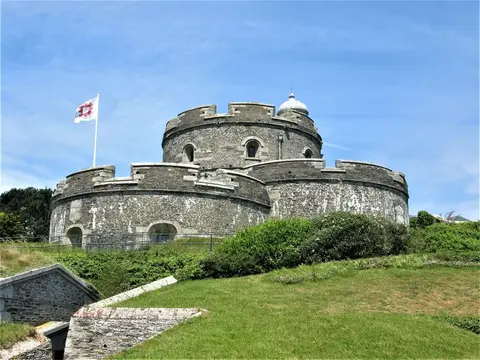
Carrick Roads, the harbour where the river Fal meets the sea, was too useful an anchorage to leave undefended. Henry VIII had Pendennis Castle built on the headland above Falmouth between 1539 and 1545, one of several round artillery forts raised along the coast as England braced for invasion. Its circular keep had guns on two floors, with a lookout on the roof, built to fire in every direction. A twin fort, St Mawes Castle, went up at the same time on the far shore, so the two covered the water between them.
By 1600 the whole headland had been ringed with a much bigger fort, a five-sided wall of ramparts and bastions, after the Spanish Armada scare of 1588 and a planned Spanish attack in 1597. Little Dennis, a small gun tower from the Tudor period down by the water, dates from the same first building phase.
In 1646 Pendennis was among the last places in England still resisting for Charles I; around a thousand soldiers and their families endured five months under siege before surrendering to Parliament’s army once their food ran out.
Soldiers kept working the guns here through the Napoleonic Wars and both world wars, when a hidden observation post directed the guns of Half Moon Battery, which could reach 14 miles into the Channel. The army left for good in 1956, and English Heritage now runs the castle as a paid, staffed visit, with the Tudor keep, Elizabethan ramparts and gun batteries all included. Trains stop close by at Falmouth Docks, and the South West Coast Path runs along the shore below towards Falmouth.