The site where Scotland's Christian story begins, St Ninian's Candida Casa, later a great medieval pilgrimage priory in the Galloway hills
Open to visitorsa Historic Environment Scotland site — many are free to wander; staffed ones charge and keep set hours
Substantial ruinsruined, but plenty survives above ground
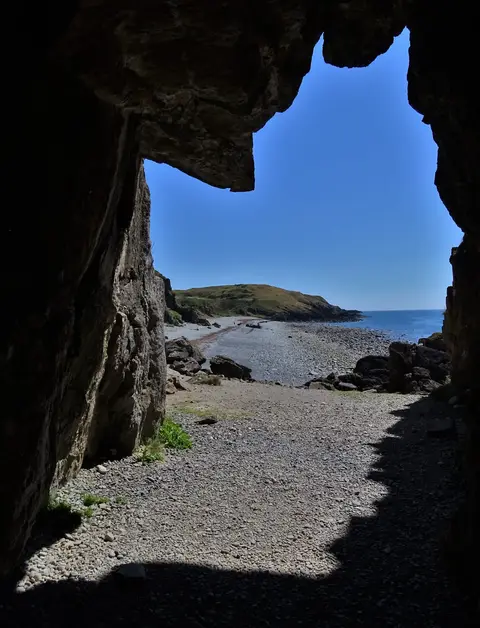
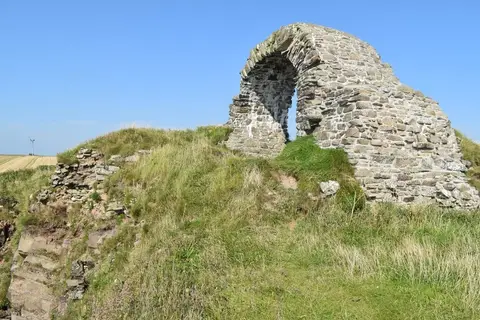
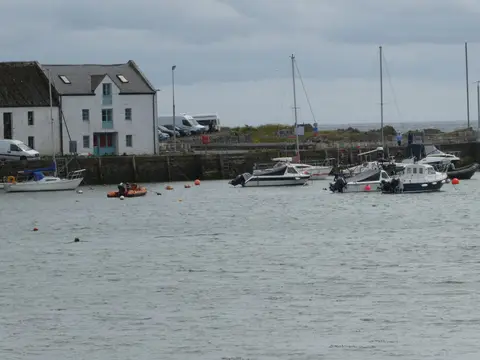
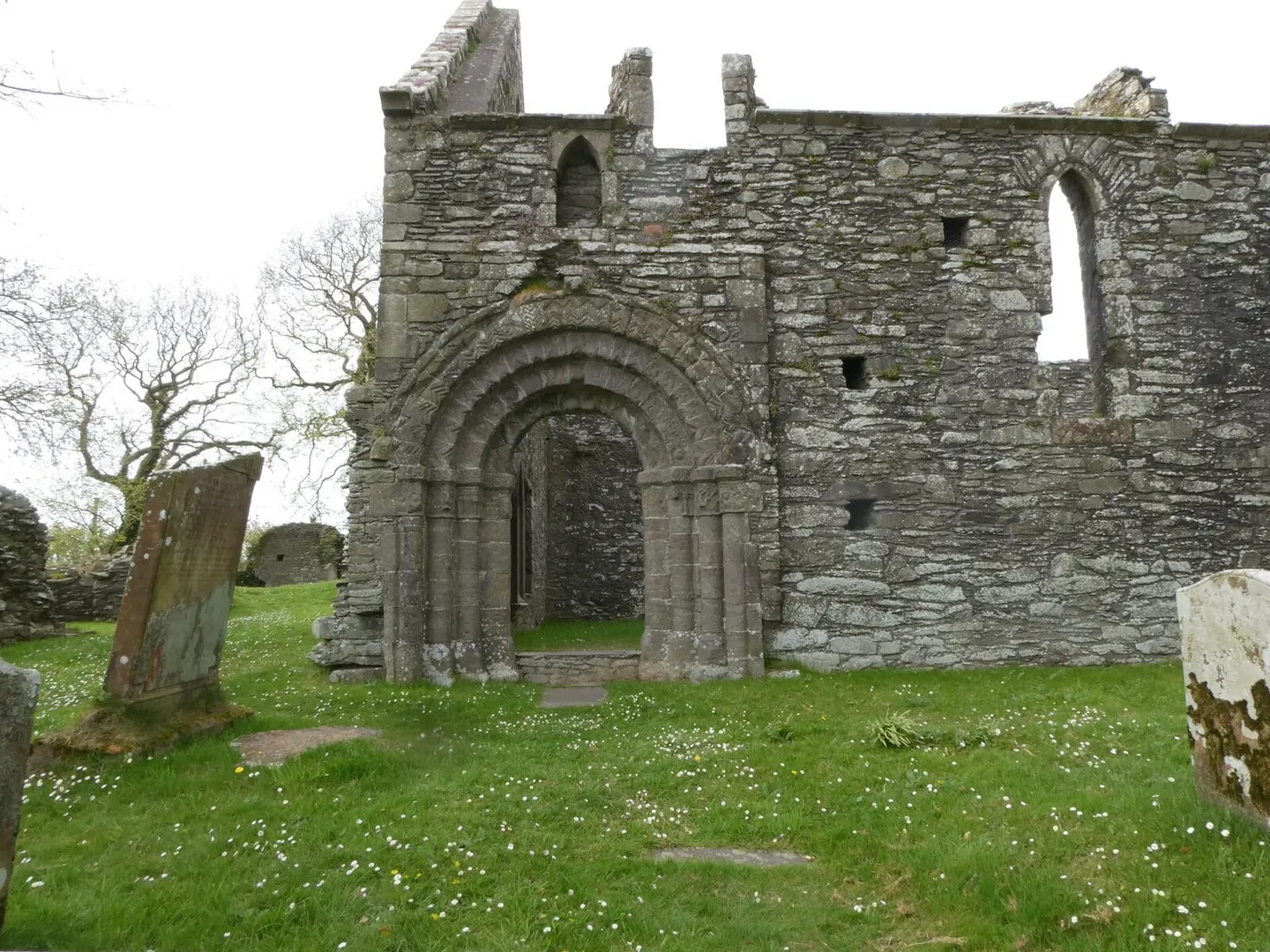
Whithorn has a fair claim to be where Christianity in Scotland started. Tradition holds that around 397 St Ninian built a church here that later writers called Candida Casa, the white house, a mission among the people of what is now Galloway. Whatever the exact story, the place became one of the great pilgrimage destinations of medieval Scotland, drawing ordinary pilgrims and kings — Robert the Bruce and James IV both came — to the shrine of St Ninian. A priory of Premonstratensian canons (an austere order of priests living under monastic rule) was built on the site in the 12th century, and its roofless nave still stands in the middle of Whithorn. The real treasures are in the museum: a collection of early Christian carved stones, among them the Latinus Stone, reckoned the oldest Christian memorial in Scotland. Historic Environment Scotland looks after it all. If the early Christian story pulls you in, St Ninian’s Cave on the coast and St Ninian’s Chapel out at the Isle of Whithorn are the two places to pair with a visit.