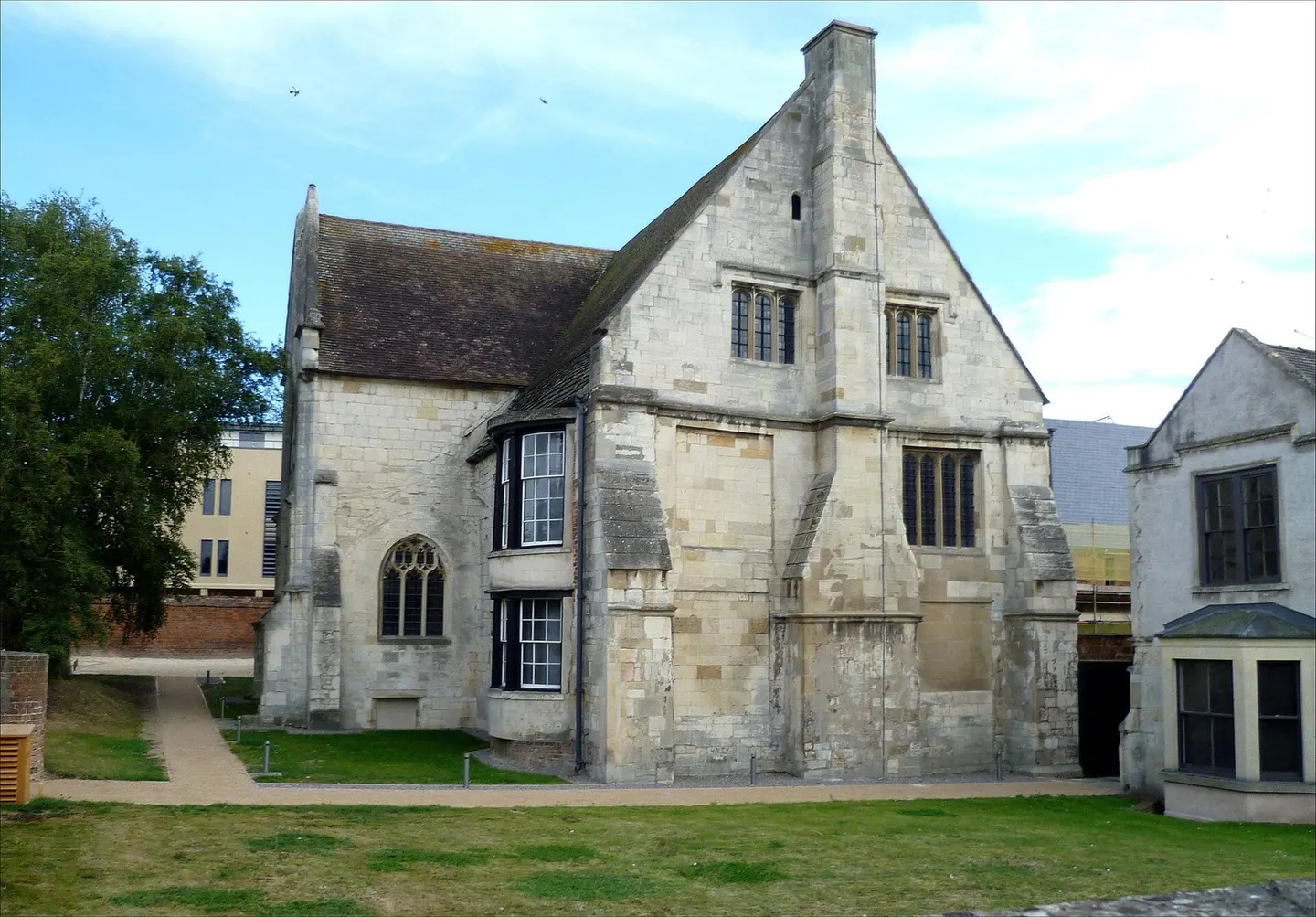
A Tudor merchant turned this Dominican friary into his own house and, later, a cloth factory
Access unclearclosed until further notice — check English Heritage's page before you go
Standing remainssubstantial fabric survives to stand in front of
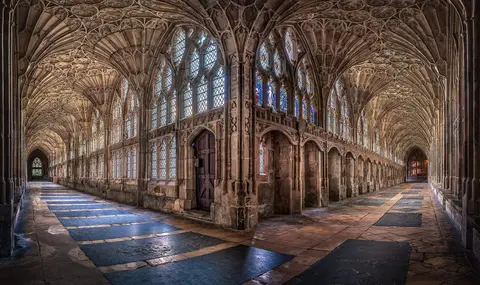
Dominican friars, known as the black friars for their dark robes, built their Gloucester friary from about 1239. Few Dominican friaries anywhere in England have come through so complete. At its height, friar numbers here ran to somewhere between 30 and 40, who followed a daily round of services while also going out to preach in the town.
Henry VIII closed it in 1538, part of his dissolution of England’s monasteries, but complete demolition never followed; a local cloth merchant, Thomas Bell, bought the site and turned the church into his own grand house, and later a factory, so the walls and roof stayed standing under new uses for centuries. That accident of reuse is why Blackfriars is now so unusually intact, right down to the 13th-century roof over the library — timber braces crossing like scissors to prop up the rafters — thought to be the oldest purpose-built library building surviving in the country. It has been closed to visitors since 2026, when Gloucester City Council stopped running it, so check English Heritage’s page before making a special trip. Greyfriars, Gloucester’s other surviving friary, stands just round the corner, and Gloucester Cathedral is a short walk north.