Two steep Exmoor rivers meeting at Lynmouth, and the rivers that destroyed the town in 1952
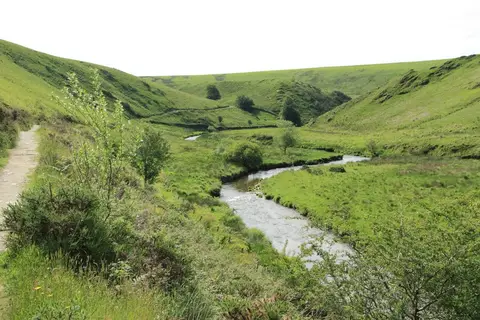
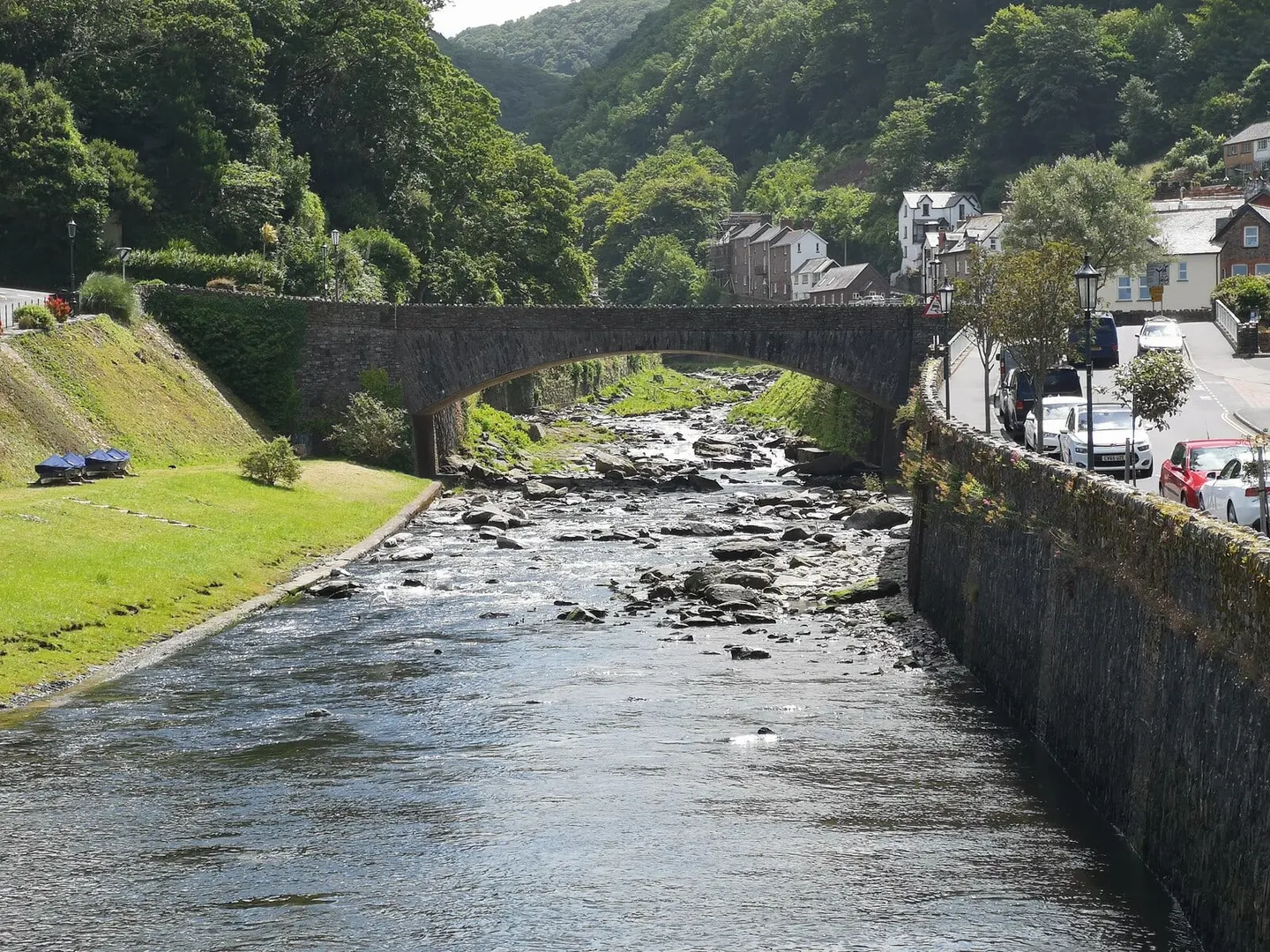
The East and West Lyn drop off the north edge of Exmoor in a hurry — a fall of over a thousand feet in a few miles — and meet in the middle of Lynmouth before running straight into the Bristol Channel. That steepness is the whole story of the place. On 15 August 1952, after nine inches of rain fell on the already saturated moor in a day, the rivers came down carrying boulders and trees, took out bridges and buildings, and thirty-four people died. The rebuilt Lynmouth you walk through was laid out afterwards, with the rivers given far wider, straighter channels.
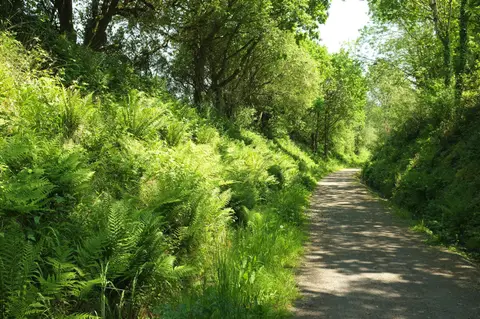
On an ordinary day it is a beautiful walk. Watersmeet, where Hoar Oak Water joins the East Lyn, is about a mile and a half upstream through steep oak woodland, with a path along the river the whole way and a tea garden in the old fishing lodge at the end. Below the town the Cliff Railway, water-powered by the West Lyn, hauls you up to Lynton.
There is no station; the nearest is Barnstaple, about twenty miles away.