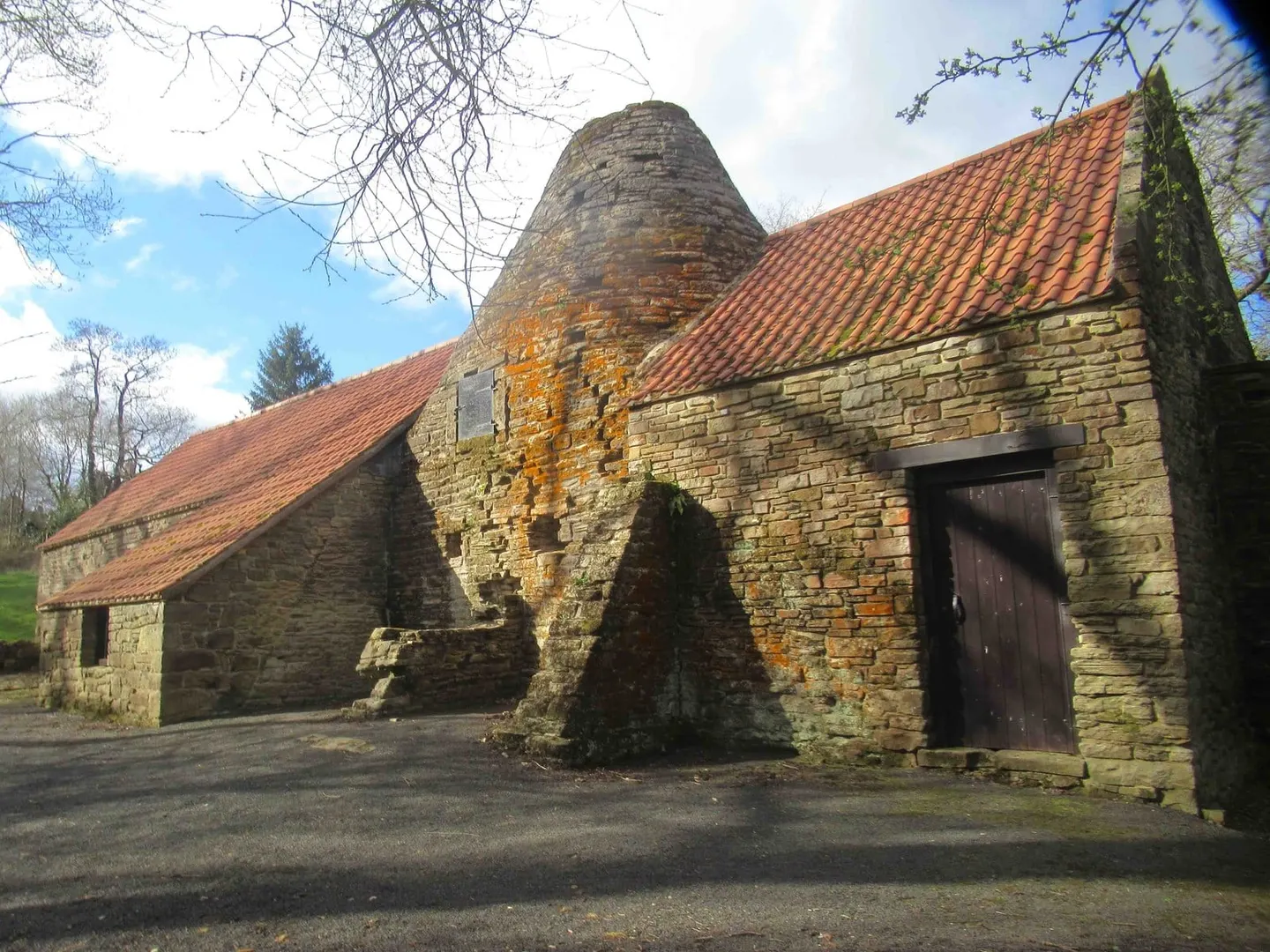
Britain's oldest surviving cementation furnace, built in the Derwent valley around 1730 to turn iron bars into steel
Open accessfree to visit at any reasonable time
Workers at Derwentcote packed long iron bars into the conical stone furnace with layers of charcoal, sealed the chambers, and let the fire burn for days until the iron turned to steel, a process called cementation. The furnace went up in the Derwent valley around 1730, one of several ironworks that once lined the valley.
The furnace needed high-quality iron imported from Sweden, since home-grown iron had too many impurities for good steel. What came out was brittle ‘blister’ steel, later reworked at a forge into high-grade ‘shear steel’, prized for blades on scythes and shears. Production stopped in the late 19th century once Sheffield’s steel industry overtook it, and English Heritage did not reopen Derwentcote to visitors until 1991, after years of repair work.
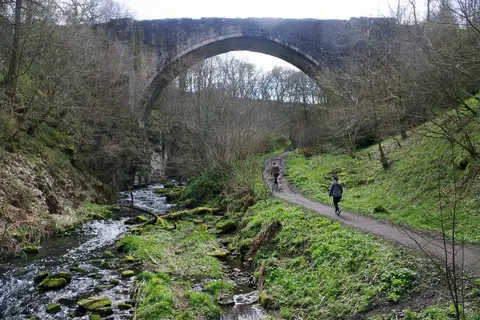
You can walk round the grounds for free whenever you’re passing, though getting inside the furnace building itself means joining one of English Heritage’s guided tours. Gibside, the National Trust’s estate, is nearby, and Causey Arch is a few miles east.