One of England's earliest stone castles, ruling the Welsh border from a cliff above the River Teme
Open to visitorscheck opening times and admission before you go
Substantial ruinsruined, but plenty survives above ground
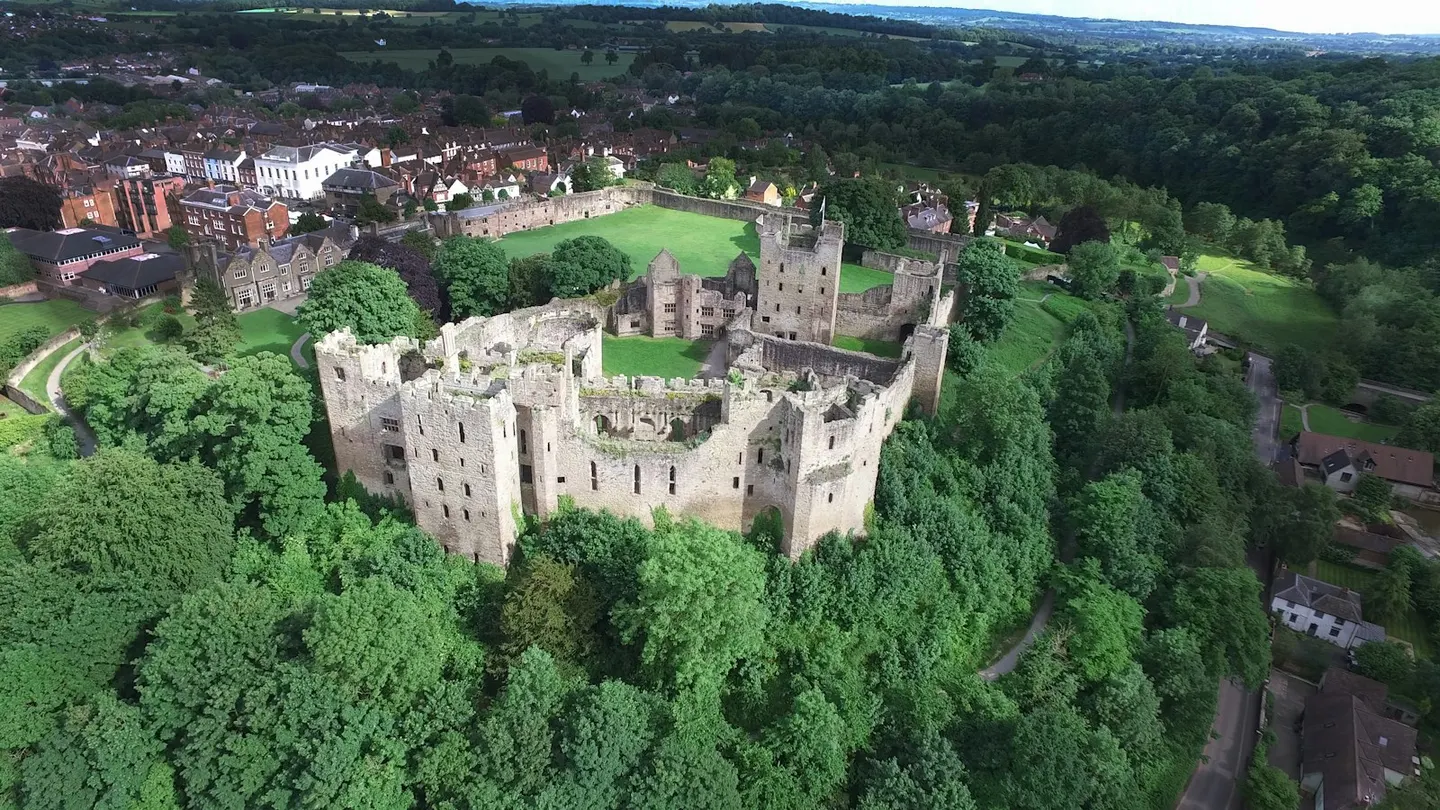
Ludlow Castle stands on a cliff above the River Teme, at the top of the handsome market town of Ludlow. It is one of the earliest stone castles built in England, begun by the de Lacy family soon after the Norman conquest to help hold down the Welsh border. Over the following centuries it grew from a compact fortress into something closer to a palace, and for a long stretch it was the seat of the Council in the Marches of Wales, the body that governed Wales and the border counties on the crown’s behalf.
Plenty of history happened inside these walls. Prince Arthur, the elder brother of Henry VIII, spent his brief married life at Ludlow and died here in 1502, which is part of why the throne eventually passed to Henry. In the round chapel in the inner courtyard — an unusual design copied from churches in the Holy Land — you can still see the base of that early building.
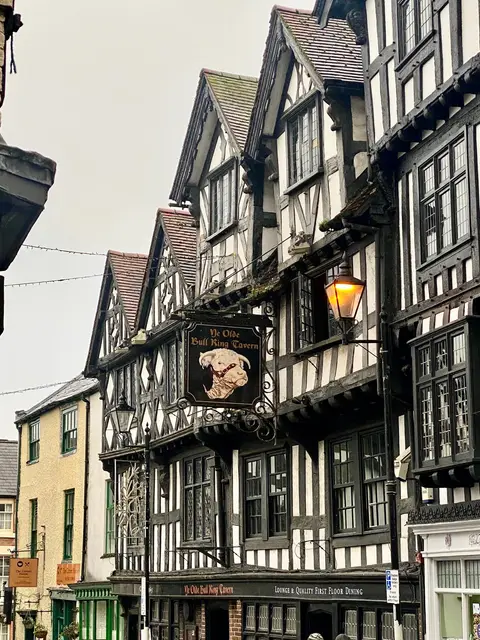
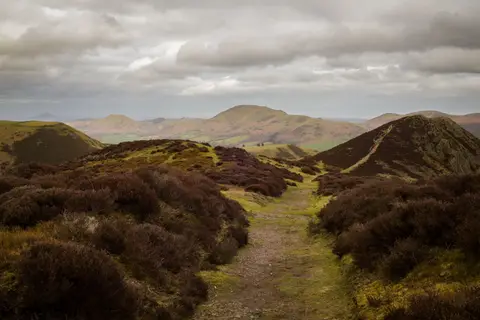
The castle is privately owned by the Earls of Powis and open to visitors for most of the year. It is a short, level walk from the middle of Ludlow, whose streets are full of timber-framed buildings and good places to eat. The parish church, St Laurence’s, one of the largest in the county, is just down the hill, and the Shropshire Hills rise close by to the north for walkers.
More at the National Heritage List entry