Remote Bristol Channel island of puffins and cliffs.
Open accessNational Trust land — free to wander
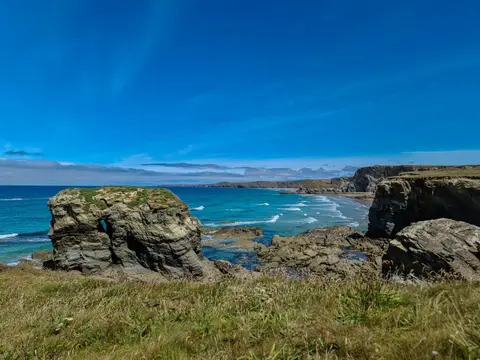
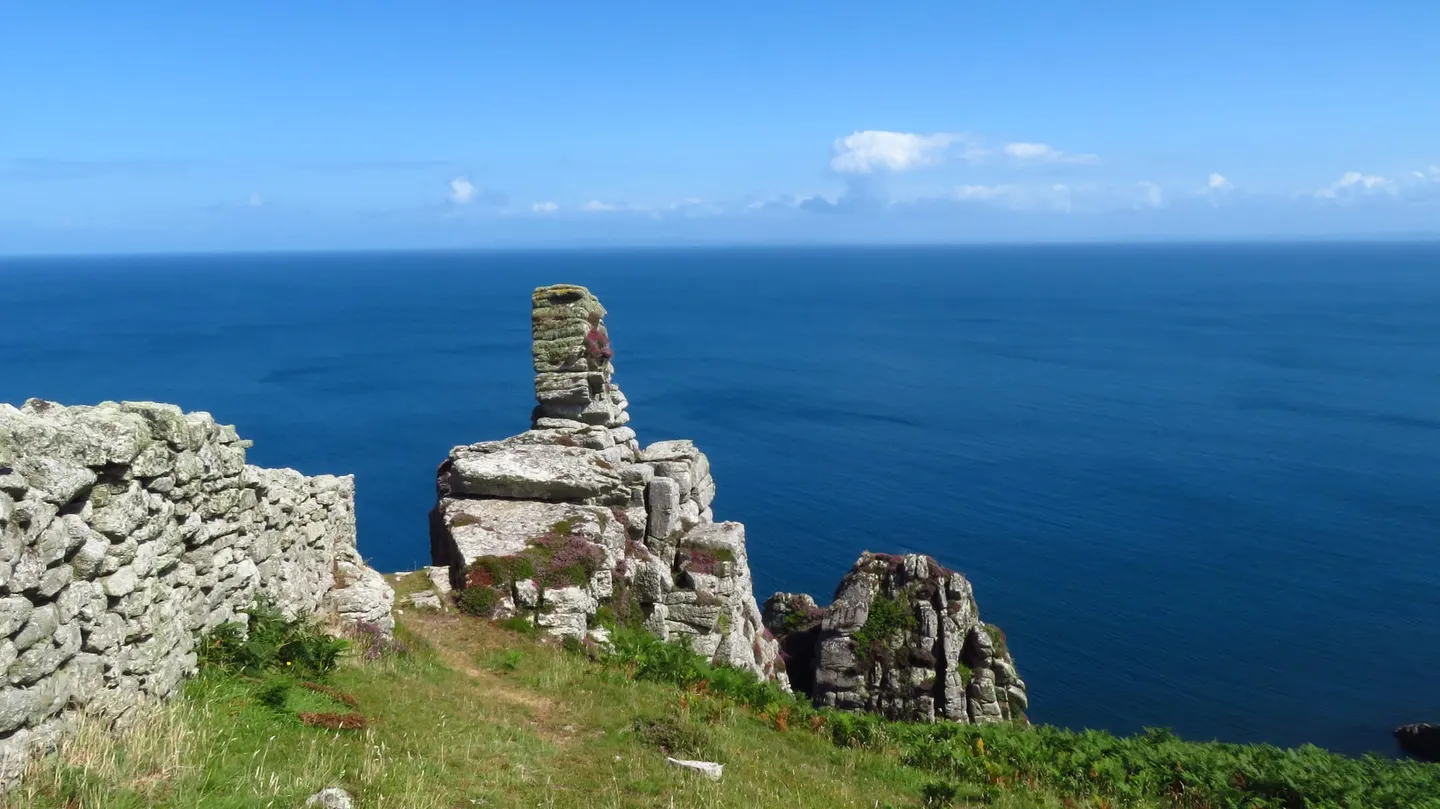
Lundy’s name comes from Old Norse for puffin, and the puffins that gave it the name are still the main reason people come, at their best in spring and early summer around the cliffs, along with guillemots, razorbills and grey seals. Rats that had been raiding the burrows were cleared from the island in 2006, and seabird numbers have recovered strongly since. The island itself is granite, about three miles long and rising in high cliffs some twelve miles off the north Devon coast; the surrounding waters were made England’s first Marine Nature Reserve, then in 2010 the country’s first Marine Conservation Zone.
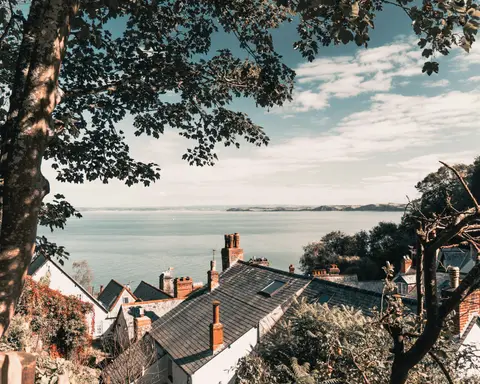
Henry III had Marisco Castle built in 1243, after capturing the outlaw William de Marisco, who had used Lundy as a pirate base; the keep is a consolidated ruin near the village today. The Old Light, a lighthouse built in 1820 and retired when two new ones took over in 1897, still stands and can be visited. There are no cars, just one pub, the Marisco Tavern, a church and a row of granite cottages let out by the Landmark Trust, which manages the island for its owner, the National Trust. The MS Oldenburg sails from Bideford or Ilfracombe between spring and autumn; a helicopter takes over from Hartland Point in winter.