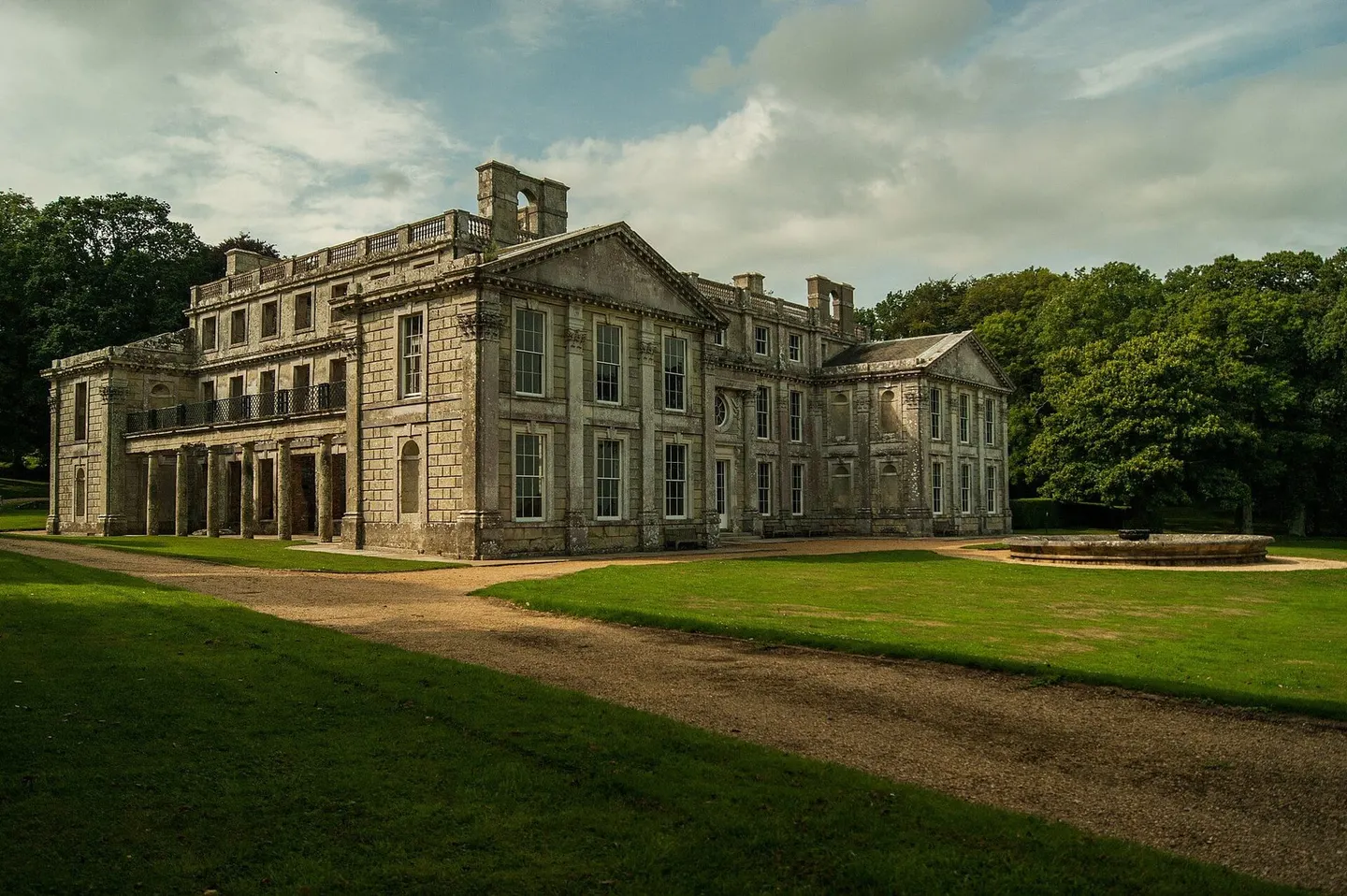
The Worsley family's grand 18th-century house on the Isle of Wight, now a roofless shell after scandal, sale and a wartime mine
Open accessfree to visit at any reasonable time
Appuldurcombe House started out as a priory, then passed through the hands of the Elizabethan-era Leigh family, before Sir Robert Worsley inherited the estate in 1690, cleared the old manor from the site, and began work on a Baroque mansion meant to outshine every other house on the island. Work started in 1702 under the architect John James. His great-nephew Sir Richard Worsley later extended the house and, in 1779, brought in the landscape designer Capability Brown to reshape the grounds around it.
Sir Richard brought his teenage bride Seymour Fleming to live here, and the house held a celebrated art collection during their time. The marriage did not last, and a sensational 1782 court case aired allegations that she had taken twenty-seven lovers — a scandal that, in the end, damaged Worsley’s reputation far more than hers.
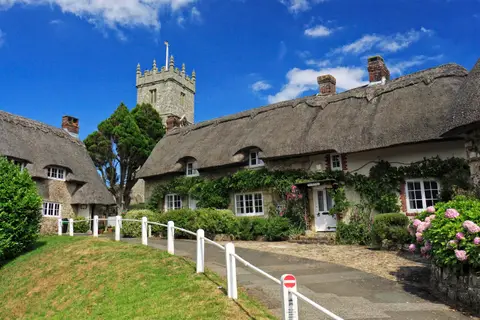
The house passed through several owners after Worsley’s death, at one stage running as a hotel and then a school for young gentlemen, and even briefly housing a community of monks exiled from France in the early 1900s. A wartime mine, dropped nearby by a German bomber in 1943, wrecked part of the roof, and much of what remained was later stripped out and sold, leaving the shell that survives today — its front re-roofed and glazed, the rooms behind open to the sky. The grounds are free to walk round, with no set hours; Godshill, where Worsley is buried in the parish church, is under two miles northwest, and Shanklin Station is a bit further away to the northeast.
Full name: Appuldurcombe