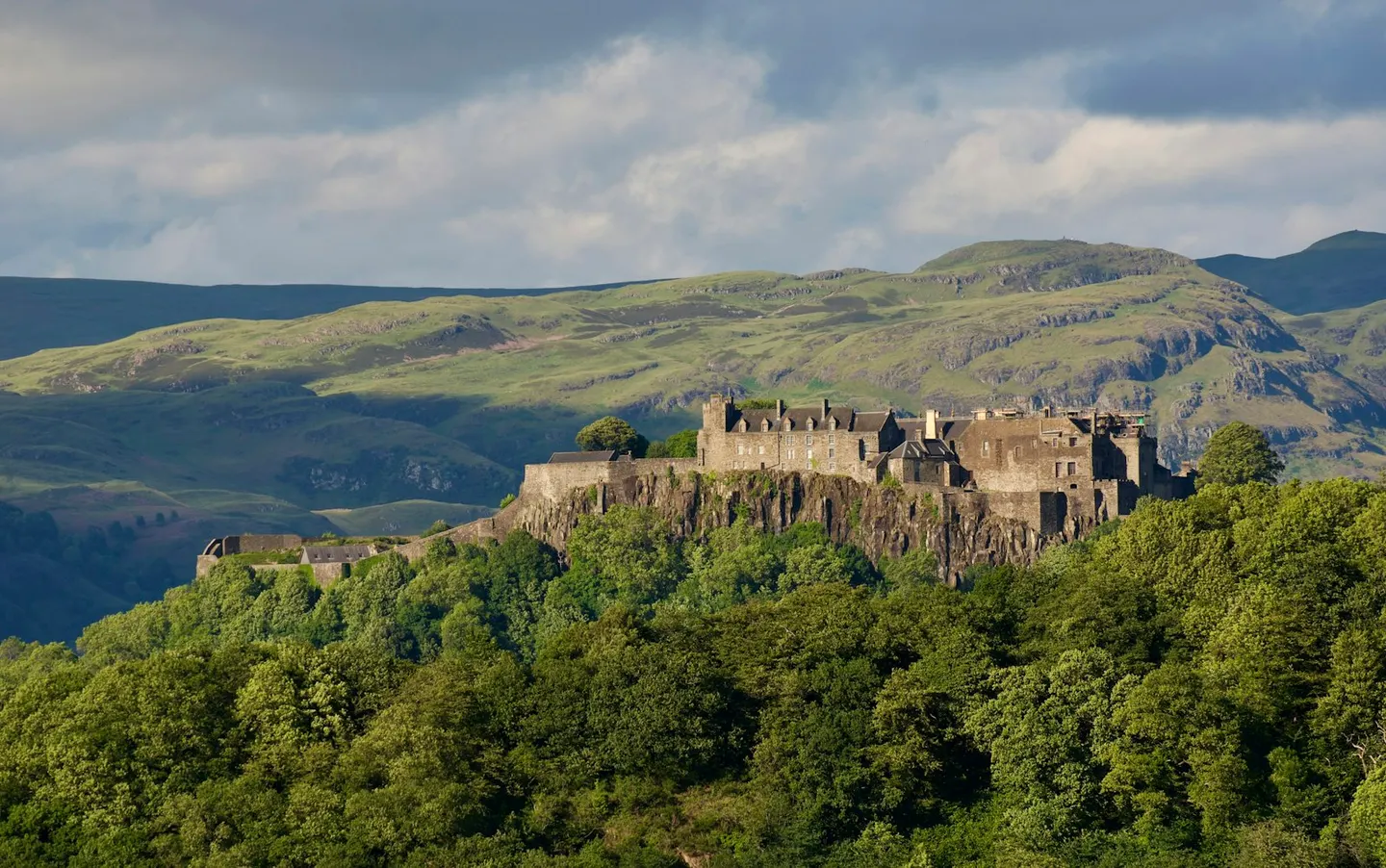
The great royal fortress of the Stewart kings, standing on a volcanic crag above the Forth where so much of Scotland's history was decided
Open to visitorsa Historic Environment Scotland site — many are free to wander; staffed ones charge and keep set hours
Standing remainssubstantial fabric survives to stand in front of
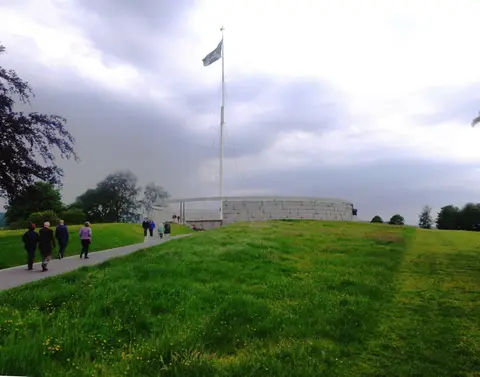
Stirling Castle sits on top of a steep volcanic crag, with sheer drops on three sides and the flat farmland of the River Forth below. Whoever held Stirling held the main crossing between the Lowlands and the Highlands, which is why armies fought over it again and again. The Battle of Stirling Bridge, where William Wallace won in 1297, and the Battle of Bannockburn, where Robert the Bruce won in 1314, were both fought within a few miles to control this castle.
Most of what you walk round today was built by the Stewart kings as a royal palace rather than a plain fortress. James IV put up the Great Hall, the largest medieval hall in Scotland, and his son James V added a Renaissance palace block with carved figures across its front. Mary, Queen of Scots was crowned here as a baby. The interiors have been carefully restored, including the reconstructed tapestries and the painted ceiling roundels known as the Stirling Heads.
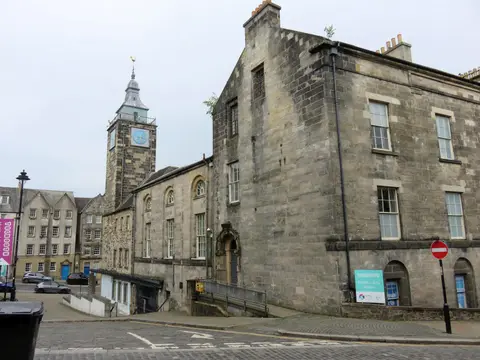
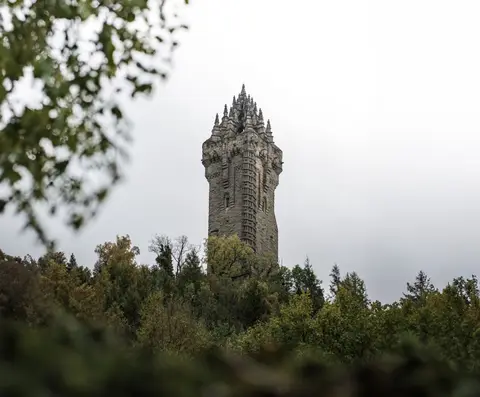
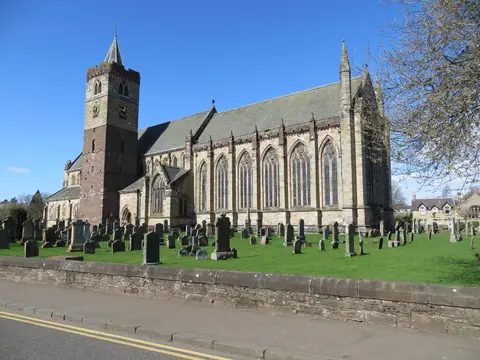
Historic Environment Scotland runs the castle and charges for entry. It is a stiff walk up through the old town from the station, past the Church of the Holy Rude where the infant James VI was crowned, and worth doing on a clear day for the view alone. Across the valley you can pick out the National Wallace Monument on its own hill to the north-east.