One of a ring of Victorian forts built around Gosport in the 1860s, meant to guard Portsmouth against a feared French attack that never happened
Open accessfree to visit at any reasonable time
Standing remainssubstantial fabric survives to stand in front of
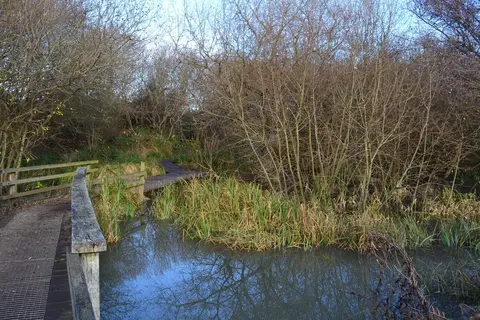
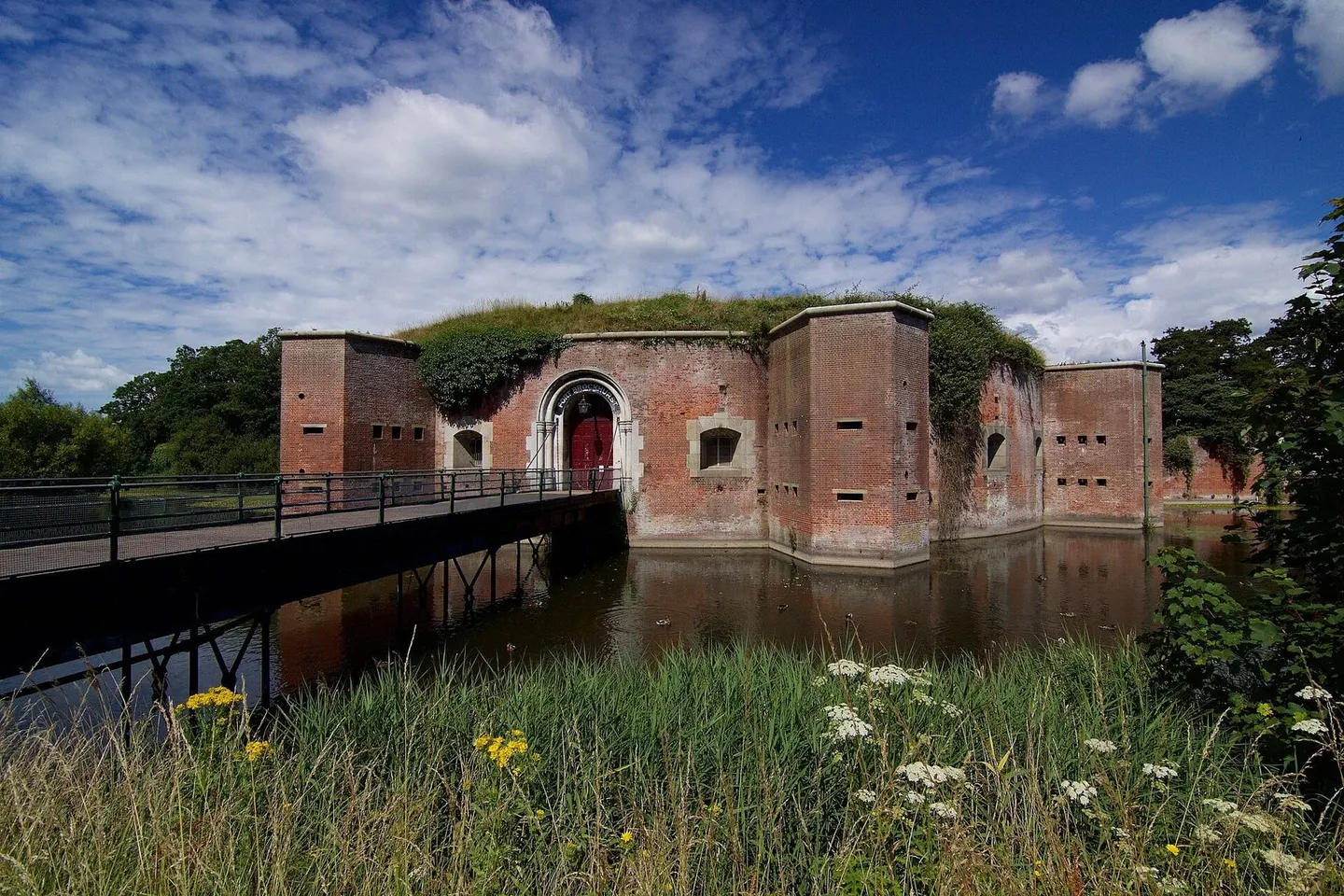
A moat rings the whole of Fort Brockhurst, crossed by a drawbridge at the entrance, much like a medieval castle, leading to a circular keep with a smaller moat of its own around it. Built around Gosport between 1858 and 1862, it’s one of five nearly identical forts, together known as the Gosport Advanced Line and part of a wider chain nicknamed the Palmerston Forts after Lord Palmerston, the prime minister who pushed for them. All were meant to stop a French invasion force from reaching Portsmouth’s naval dockyard by land. They were nearly obsolete by the time this one was finished, though: improvements in artillery range meant an enemy could bombard the dockyard from a landing point further along the coast, bypassing the fort altogether, so Fort Fareham was built even further out six years later.
The fort’s polygonal layout was unusual for its time, a break from the star-shaped bastions older forts had used. The keep was armed with twenty light guns for close defence, while nineteen heavier guns stood on the ramparts above.
Soldiers arriving home from service in India passed through Fort Brockhurst to be discharged in the late 19th century, with as many as ten thousand going through in a single year by the 1890s. The army kept using the fort through both world wars and gave it up in 1957, having taken some bomb damage in the second. English Heritage now stores part of its wider collections here, and the moat and grounds are free to explore in daylight. Getting inside the fort itself is limited to a handful of open days through the year. Portchester Castle, with views across the Solent, is a short drive northeast.