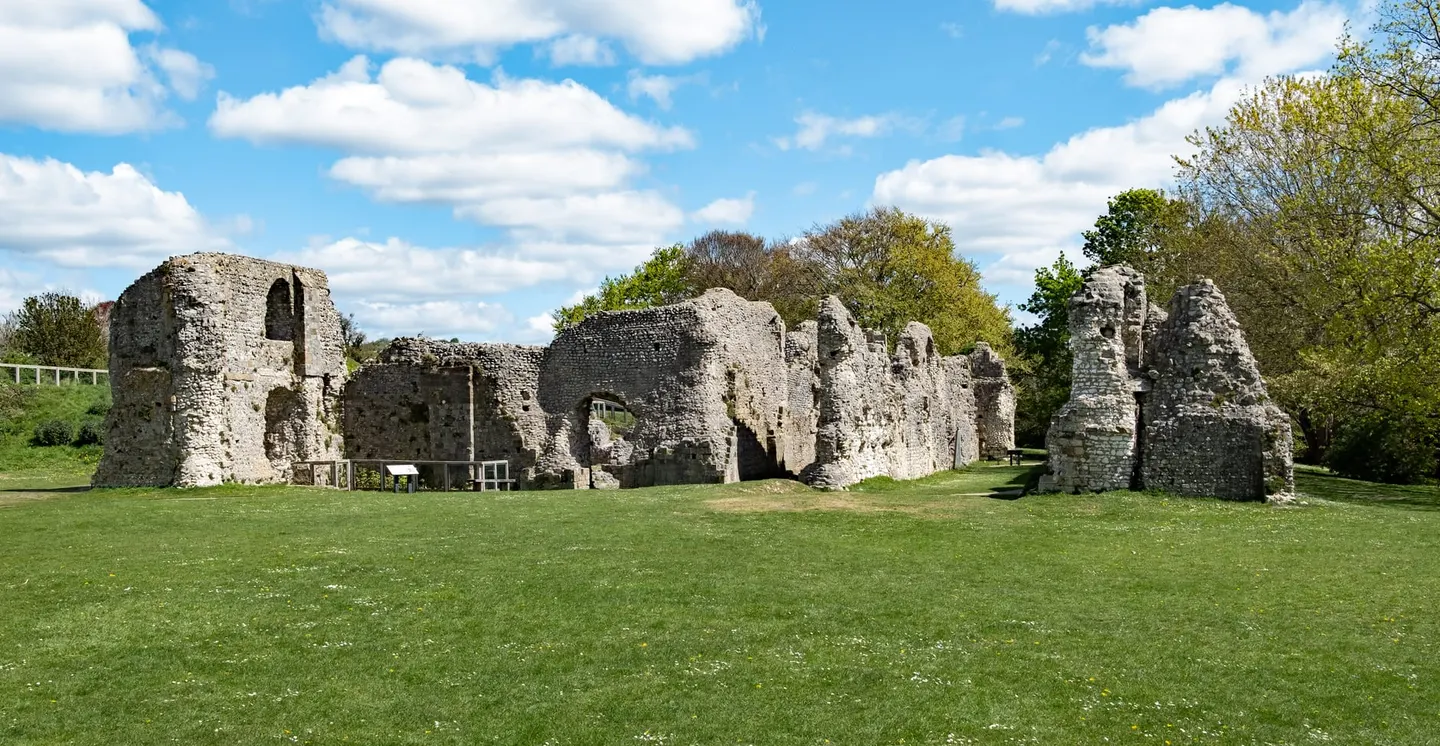
The first Cluniac monastery in England, now down to grassy footings after Henry VIII's men blew the church apart
Access unclearno public right of way confirmed — check locally before setting out
Substantial ruinsruined, but plenty survives above ground
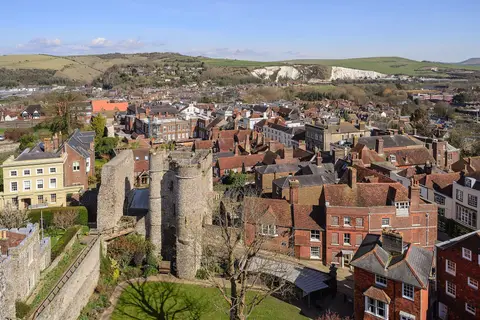
This priory was founded around 1077 by William de Warenne, the same Norman lord who put up Lewes Castle a short walk north, and its monks came directly from Cluny in Burgundy to run it. That made it the first Cluniac house in England, and it grew into one of the richest: at its height the priory church ran longer than Chichester Cathedral, with a community that answered to the mother house in France rather than to any English bishop.
Wealth and prestige counted for nothing once Henry VIII turned on the monasteries. When the priory was dissolved in 1537, Thomas Cromwell sent an engineer named Giovanni Portinari to take the buildings down fast, and Portinari’s men are recorded tunnelling under the walls and setting fires to bring the great church down, a demolition documented in unusual detail. Only footings and one or two taller fragments remain today, laid out in open parkland where you can walk the plan of the church and side chapels and still get a sense of the scale. William de Warenne and his wife Gundrada were buried here originally; their tomb survives, moved to the parish church in nearby Southover after the priory came down. It’s a five-minute walk from the castle, and the Battle of Lewes site is a bit further on, to the northwest, so the three sit well together on one visit, all within reach of Lewes station.
More at the National Heritage List entry