The red-sandstone ruins of one of England's wealthiest medieval monasteries, in a sheltered Cumbrian valley
Open to visitorsan English Heritage site — check opening times and admission before you go
Substantial ruinsruined, but plenty survives above ground
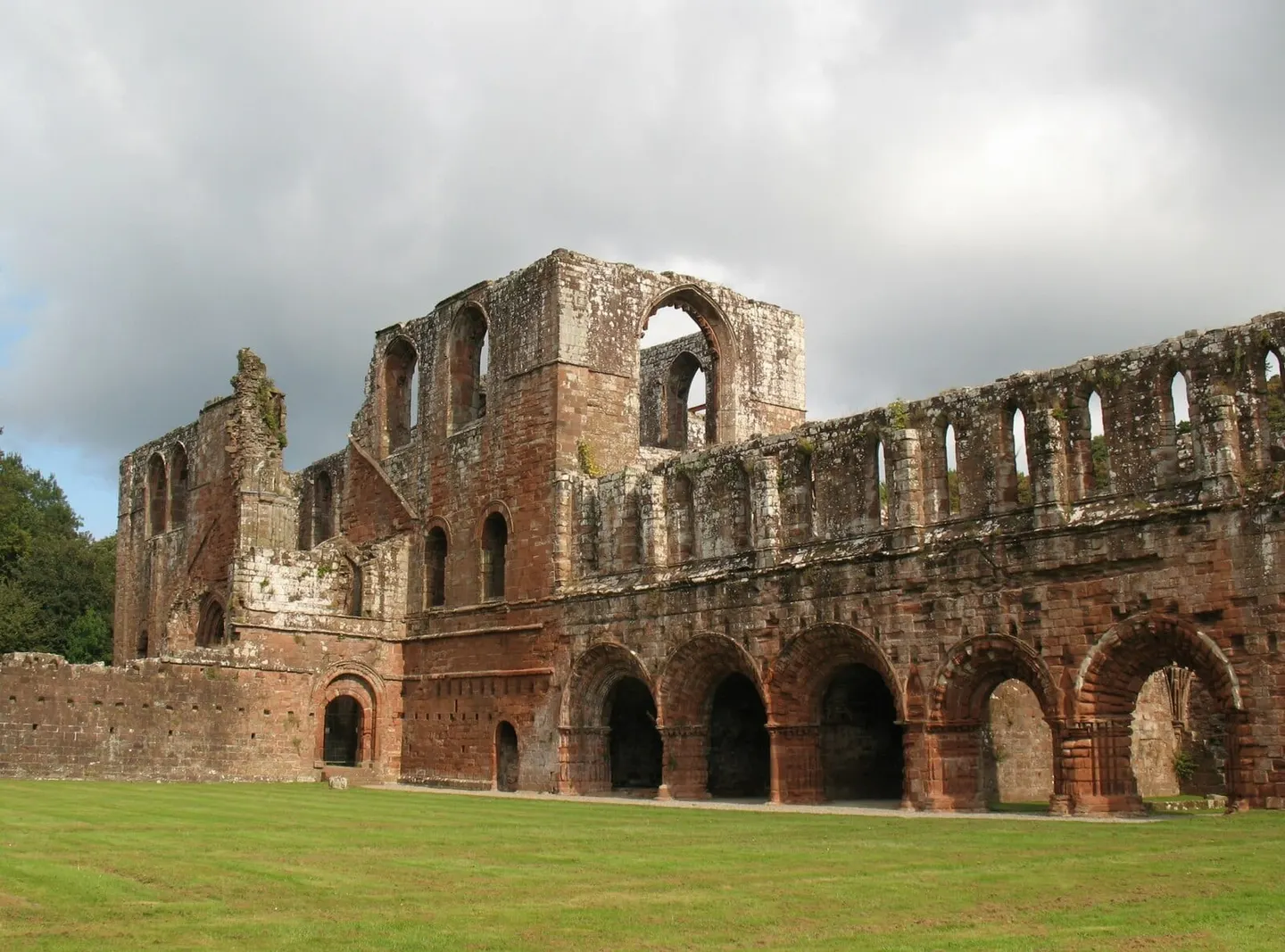
Furness Abbey stands in a narrow, sheltered valley just north of Barrow-in-Furness, its red sandstone walls still rising to a good height in places. Monks founded it in 1123, first as part of the Savignac order and then, when that order merged with the Cistercians in 1147, as a Cistercian house. The Cistercians were a strict, self-sufficient branch of the Benedictine monks, and over the following centuries this one grew into one of the richest of England’s Cistercian monasteries, second only to Fountains, with land and iron workings across the north-west. Henry VIII’s officials closed it in 1537 during the dissolution of the monasteries.
Enough survives to show how big it was: the eastern end of the church stands tall, and you can still read the shape of the cloister, the covered walkway the monks used around a central courtyard. The poet William Wordsworth, who grew up not far away, knew the ruins and wrote about them.
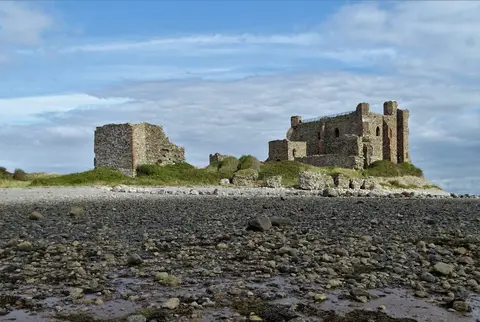
English Heritage runs the site. It’s a short way from the town, tucked below the road and railway. Dalton Castle, a medieval tower keep, is a couple of miles north, and the island ruin of Piel Castle sits off the tip of Walney if you want to make more of a day of the area.
More at the National Heritage List entry