A shallow, bird-rich Kinross loch with an island castle where Mary, Queen of Scots was imprisoned and made to give up her crown
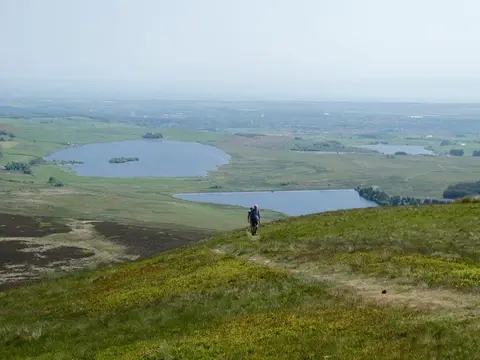
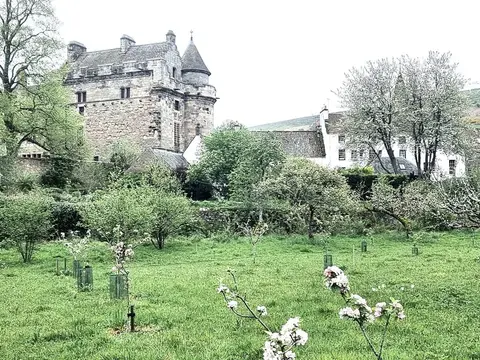
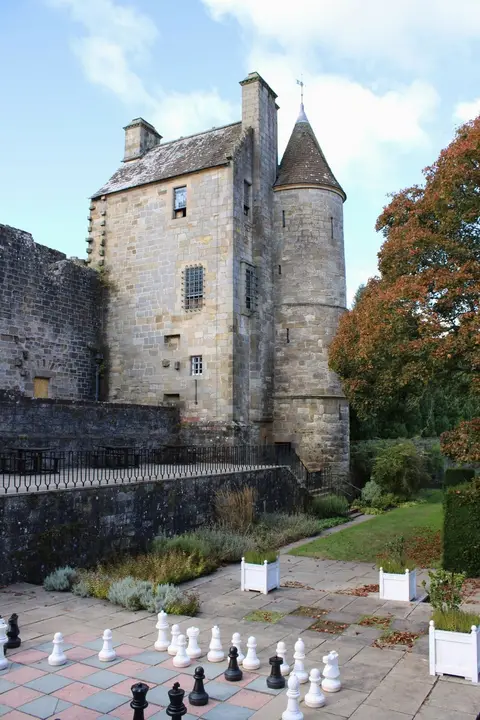
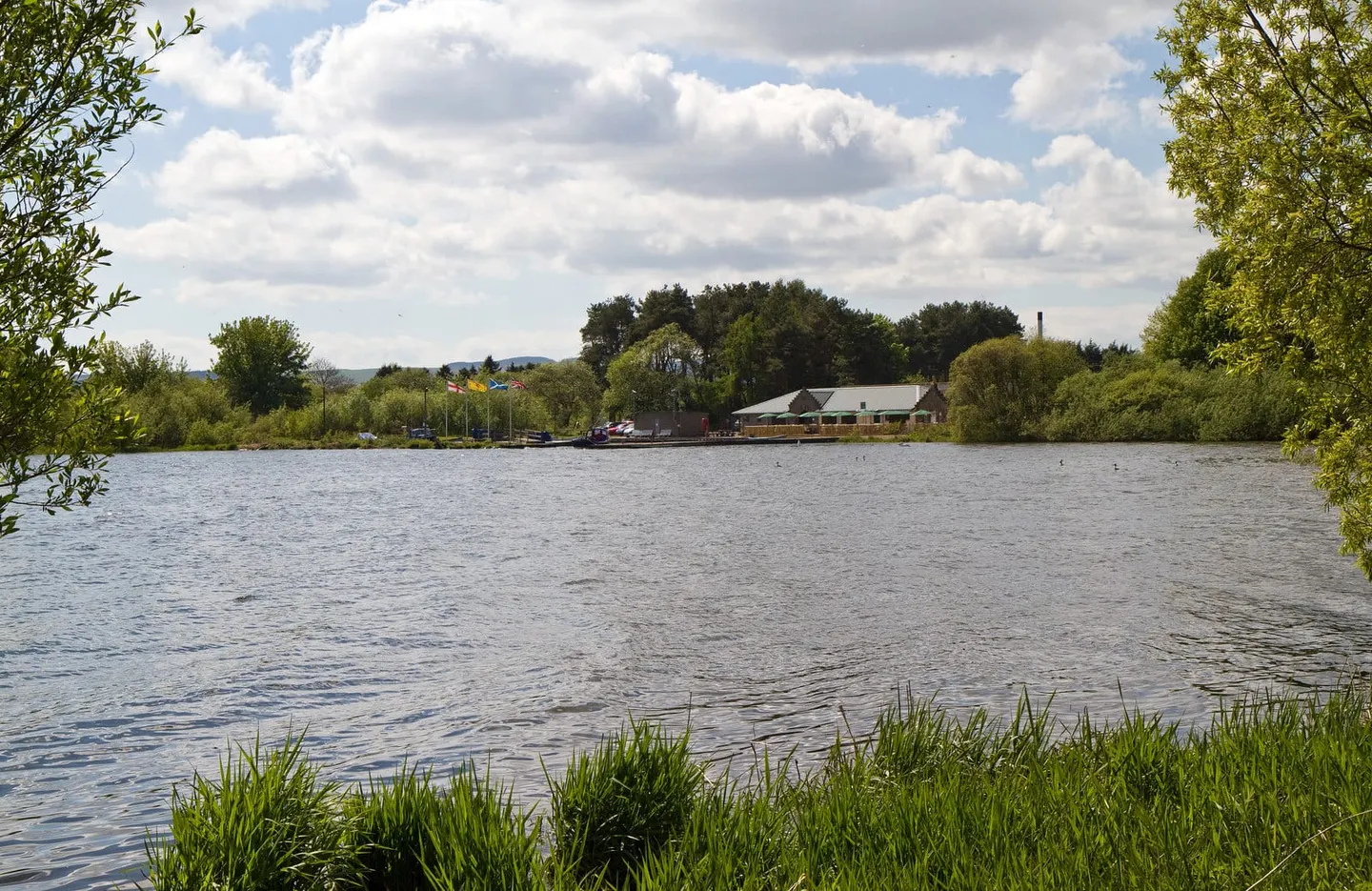
Loch Leven is a broad, shallow loch on the flat ground of Kinross, better known for its history and its birds than for any drama in the scenery. On one of its islands stands Lochleven Castle, where Mary, Queen of Scots was held prisoner in 1567 and forced to abdicate in favour of her infant son. She escaped the following year with the help of the Douglas family and a stolen set of keys, only to be defeated soon after and flee to England.
The loch is a national nature reserve and one of the most important places in Britain for wildfowl. Thousands of pink-footed geese and ducks winter here, and it has long been famous among anglers for its trout. A largely level path, the heritage trail, runs right around the shore, about thirteen miles in full but easily done in shorter stretches, with bird hides and visitor centres along the way.
The castle sits close to Kinross, and a small ferry run by Historic Environment Scotland goes out to it in the warmer months. Kinross itself is just off the M90 between Edinburgh and Perth, so the loch is an easy stop. Autumn and winter are the times for the big flocks of geese; spring brings the breeding ducks and the returning ospreys.