Mullach an Eilein, Boreray
Local highlightThe 384-metre summit of Boreray, St Kilda's steep second island, ringed by sea stacks and gannets and home to a feral flock of rare sheep
Access unclearlanding on Boreray is rarely possible — seen from day boat trips out of Harris or Skye
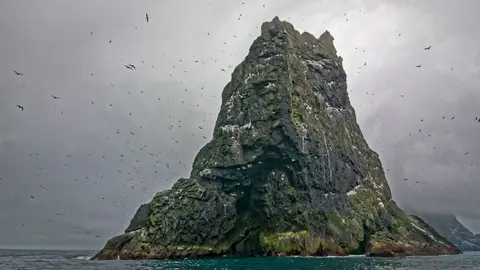
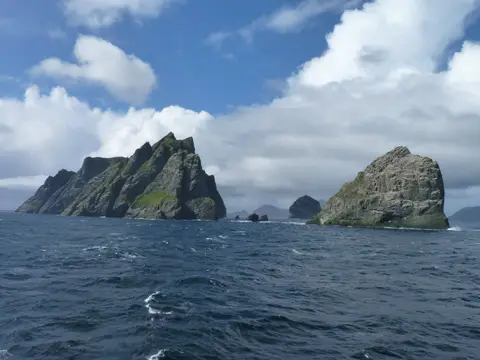
Mullach an Eilein is the top of Boreray, the smaller and wilder of the two big islands in the St Kilda archipelago, about 7 km north-east of Hirta. The island is a steep wedge of dark gabbro and dolerite rising 384 metres from the Atlantic, with sheer cliffs dropping into the sea. Its name comes from the Norse for fort island, and in Gaelic it’s Boraraigh. Two great sea stacks keep it company, Stac Lee about 600 metres to the west and Stac an Armin about 400 metres to the north.
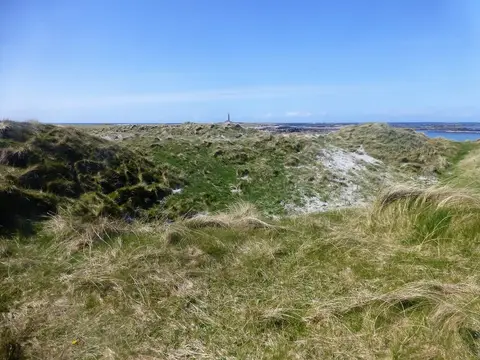
The St Kildans used Boreray hard. They sailed across to catch gannets, gather eggs and tend their sheep, sleeping in a cluster of three small stone bothies called Cleitean MacPhàidein. The island is dotted with cleits, their stone storehouses, and the ruin of Taigh Stallar, the steward’s house, may be far older, possibly an Iron Age wheelhouse. A 2011 survey found traces of an old field system and two more possible settlement mounds.
When the islanders left in 1930, the sheep on Hirta were taken off, but those on Boreray stayed. They have lived wild ever since, and the Boreray is now one of the rarest sheep breeds in Britain. The cliffs and the two stacks together hold the world’s largest colony of northern gannets, around 60,000 pairs.
Landing is rarely possible, so Boreray is seen from a day boat out of Harris or Skye, which usually circles the island and its stacks on the way to or from Hirta. The sea is only calm enough for the trip on settled days, and sailings are often called off at short notice. St Kilda is a World Heritage Site, owned by the National Trust for Scotland since 1957.
More at hill-bagging.co.uk